
Features
Why Pokémon Card Collecting Is More Popular Than Ever

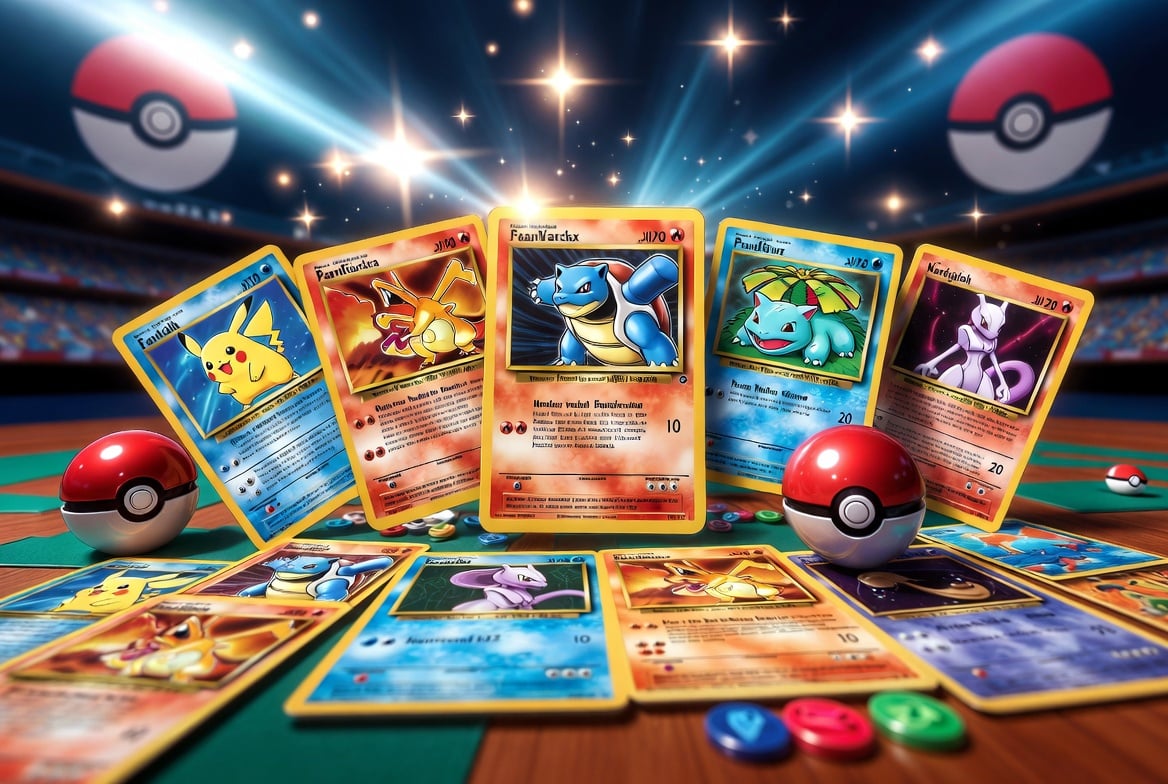
Pokémon card collecting has moved far beyond a niche hobby. What used to be driven by childhood nostalgia is now supported by a global market, competitive play, and serious collectors treating cards as long-term assets. The growth is not random. It is tied to accessibility, community, and the way the market has evolved over time.
Collectors today are not just buying packs for fun. They are building curated collections, tracking value, and investing in condition and rarity.
Nostalgia Meets a New Generation
One of the biggest drivers is nostalgia. People who collected Pokémon cards in the late 90s and early 2000s are now adults with disposable income. They are returning to the hobby with a different mindset.
At the same time, a new generation is entering through modern releases, online content, and competitive play. This overlap creates a larger and more active market.
You now have two types of collectors operating at once. Those reconnecting with older sets and those building collections from current releases. This expands demand across both vintage and modern cards.
The result is a continuous cycle. Older cards gain value through scarcity, while new cards gain attention through ongoing releases.
The Influence of Content and Community
Online content has changed how people engage with collecting. Platforms like YouTube, Twitch, and social media have made card opening, trading, and collecting visible at scale.
A single video featuring a rare pull can reach millions of viewers. That exposure brings new people into the hobby quickly.
Community also plays a role. Collectors share strategies, display collections, and discuss market trends. This creates a feedback loop that keeps engagement high.
The hobby is no longer isolated. It is part of a broader ecosystem where information and interest spread quickly.
Collecting Is Now Structured
Modern collecting is more organized than it used to be. Collectors are not just buying cards. They are managing collections with a focus on condition, storage, and long-term value.
Proper storage is critical. Even small damage can reduce a card’s value significantly. That is why items like Pokemon card sleeves are standard for anyone serious about collecting.
Cards are sorted, protected, and sometimes graded. Grading adds another layer to the market by assigning a condition score, which directly affects value.
This structure turns collecting into a more deliberate process rather than a casual activity.
The Role of Rarity and Limited Supply
Scarcity is one of the main factors driving value. Older cards are no longer in production, and many have been lost, damaged, or kept in poor condition.
This reduces available supply over time. As demand increases, prices follow.
Modern sets also include rare cards, but they are distributed differently. Limited pulls, special editions, and promotional releases create controlled scarcity within new products.
Collectors focus on:
- First edition or early print cards from older sets
- Limited-run or promotional cards tied to events
- High-grade cards that meet strict condition standards
These factors create tiers within the market. Not all cards hold value, but specific categories become highly sought after.
Competitive Play Keeps Demand Active
Pokémon is not just a collectible. It is also a competitive game. Organized tournaments and local events keep players engaged with current sets.
This creates ongoing demand for playable cards. Even collectors who are not competing pay attention to the competitive scene because it influences which cards become valuable.
The combination of collecting and gameplay keeps the market active. New sets are not just released for collectors. They are designed to support the game itself.
This dual purpose strengthens long-term interest.
Accessibility Through Online Marketplaces
Buying and selling cards has become easier. Online marketplaces allow collectors to find specific cards without relying on local shops.
This increases liquidity in the market. Cards can be bought, sold, or traded quickly, which encourages more participation.
Collectors can:
- Track prices across different platforms
- Compare condition and grading levels
- Access international markets without geographic limits
This level of access did not exist in earlier years. It has made collecting more efficient and more competitive.
The Investment Angle
For some collectors, Pokémon cards are no longer just a hobby. They are treated as alternative assets.
High-value cards have sold for significant amounts, which attracts attention from investors. While not every card appreciates in value, certain categories have shown consistent growth.
This has changed behavior. Buyers are more selective, focusing on condition, rarity, and long-term potential.
At the same time, the market still carries risk. Values can fluctuate based on demand, trends, and new releases.
Collectors who treat it purely as an investment tend to focus on established cards with proven demand.
What Sustains the Growth
The growth of Pokémon card collecting is not based on a single factor. It is supported by multiple systems working together.
Key drivers include:
- Strong brand recognition that continues across generations
- Ongoing product releases that keep the market active
- Community engagement through content and events
These elements create stability. Even as trends shift, the underlying interest remains.
Final Take
Pokémon card collecting has evolved into a structured and active market. Nostalgia brought people back, but accessibility, community, and market structure are what keep them engaged.
The hobby now operates at multiple levels. Casual collectors, competitive players, and investors all participate in the same ecosystem.
That combination is what drives its continued growth.





Canada’s Gaming Audience Is Bigger Than the Old Stereotype

Mystery Anime You’ll Regret Starting at Midnight | Part 1

From Consoles to Phones: How Canadian Gaming Became an Anytime Experience

8 Underrated PC Games Worth Playing in 2026 (That Aren’t Getting the Attention They Deserve)

WoW Forever Leveling: What Is New on the Road from 1 to 60

Why Sports Games Keep Getting Better at Simulating the Real Thing

MM2 weapon rarity tiers explained for traders

Why Esports Platforms Need Different Payment Rails Than Traditional Game Stores

6 Years Later, Haikyu!! Returns in the Last Way Fans Expected

Anime You’ll Be Glad You Added to Your Fall Watchlist (Part 2) 🍂
WoW Forever Leveling: What Is New on the Road from 1 to 60

How to Fix Lag in Games Once and For All
MM2 weapon rarity tiers explained for traders

One Piece Is Everywhere Right Now – and It’s Exposing a Problem With How Gaming Teaches Players to Gamble

Why Game Clips Stall on Instagram Reels

Can You Stream Kick on Xbox: Complete Guide for Xbox Users
-
 Anime4 weeks ago
6 Years Later, Haikyu!! Returns in the Last Way Fans Expected
-
 Anime1 week ago
Anime You’ll Be Glad You Added to Your Fall Watchlist (Part 2) 🍂
-
 Features6 days ago
WoW Forever Leveling: What Is New on the Road from 1 to 60
-
 Technology4 weeks ago
How to Fix Lag in Games Once and For All
-
 Esports1 week ago
MM2 weapon rarity tiers explained for traders
-
 Features3 weeks ago
One Piece Is Everywhere Right Now – and It’s Exposing a Problem With How Gaming Teaches Players to Gamble
-
 Social Media3 weeks ago
Why Game Clips Stall on Instagram Reels
-
 Social Media3 weeks ago
Can You Stream Kick on Xbox: Complete Guide for Xbox Users
-
 Features3 weeks ago
What to Check Before Buying FC 27 Coins Online
-

 Features3 weeks ago
Blox Fruits Physical vs Permanent Fruits: What’s the Difference?
-

 Features4 weeks ago
What Even Happened to Cloud Gaming?
-

 Features4 weeks ago
From Arcade Cabinets to Digital Cards: The Psychology of the Push-Your-Luck Mechanic