
Features
Why Short-Session Games Are Becoming the Smartest Buy on Switch 2

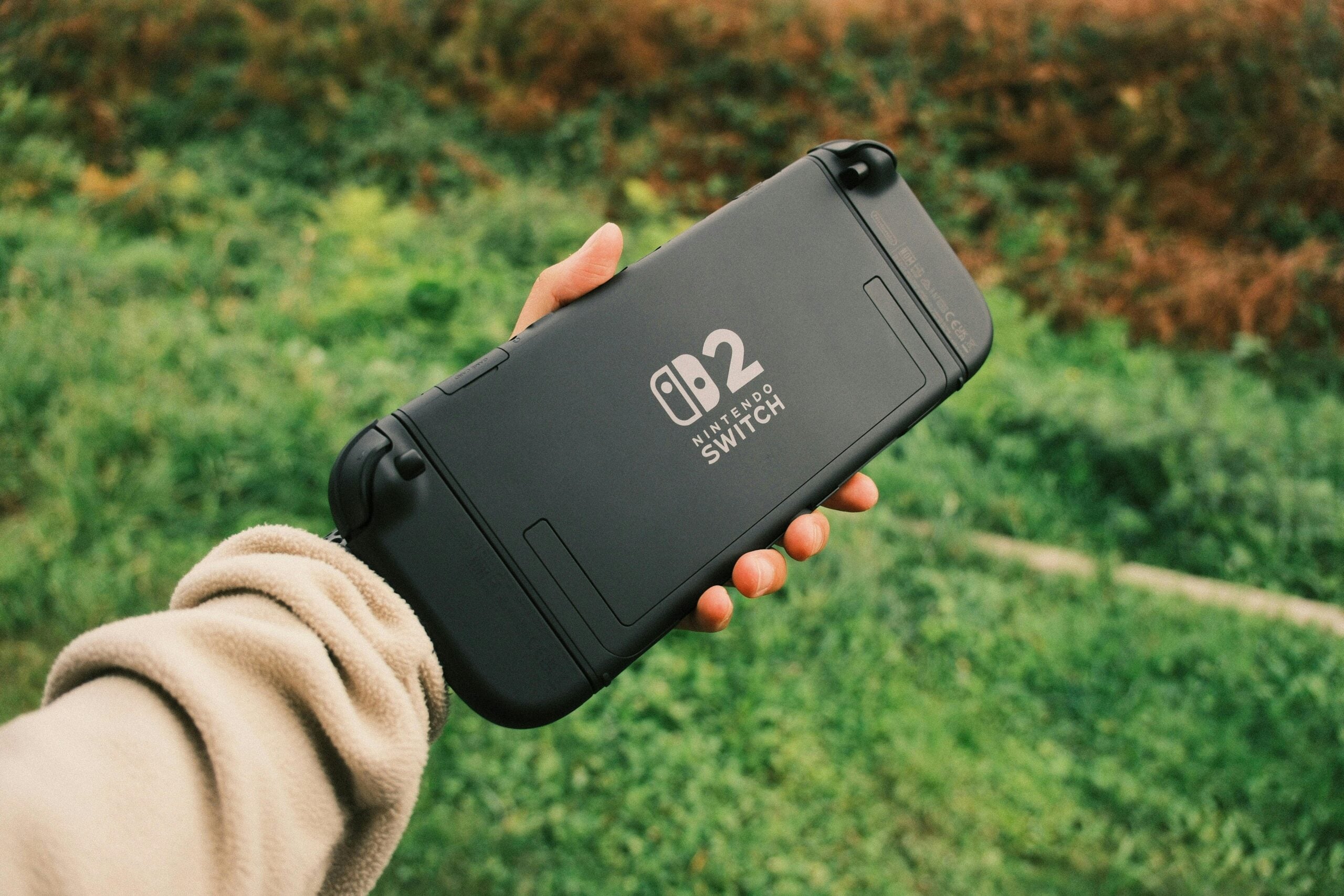
The Entertainment Software Association’s 2025 Essential Facts report says 205.1 million Americans play video games regularly, while the U.S. Bureau of Labor Statistics’ American Time Use Survey shows Americans age 15 and over spent 0.37 hours per day playing games in 2024, which works out to about 22 minutes a day.
Games are part of everyday life for a huge number of people, but long, uninterrupted sessions are harder to come by, and that changes what a smart purchase looks like. A lot of people now divide their downtime across different kinds of online entertainment, from browsing offers at pennlive.com/sweepstakes-casinos/ to loading up a game for twenty spare minutes after dinner.
Which is a thought that lands at the right moment, because Nintendo’s official 2026 Switch 2 release roundup and IGN’s 2026 Switch 2 release guide both point to a broad, busy slate of games competing for your time.
The 22-Minute Reality Check
If you’re buying for the way you live rather than the way you imagine you’ll live, short-session games online start to look very appealing. The BLS breakdown is especially revealing here too: adults aged 25 to 34 averaged 0.54 hours a day playing games in 2024, while adults aged 35 to 44 averaged 0.22 hours.
That doesn’t mean people have lost interest in games. It means leisure is fragmented, and games that respect fragmented time tend to feel better in practice. A good short-session game gives you a clean stopping point, a quick way back in and the sense that twenty minutes still counted.
There’s a money angle here too. If a game fits naturally into weeknights, lunch breaks, or the half hour before bed, you’re more likely to keep returning to it. That kind of repeat use is one of the simplest ways to think about value on a new console.
Fun That Fits in Your Pocket of Time
Short-session games work because they line up with why many people play in the first place. ESA reports that 68% of adult players play to pass the time or relax, and 43% play to keep their mind sharp.
Those numbers give short games a stronger footing than they sometimes get in buying guides. A brief puzzle run, a tight platforming stage, or a thirty-minute tactics loop can do exactly what a lot of players want from a game: help you settle, focus and finish a small piece of something satisfying before the rest of the evening takes over.
They also fit a broader audience than people sometimes assume. ESA says 28% of players are age 50 or older, and 82% of parents who play video games play with their kids. That makes the short-session format a practical fit for households, routines and shared spaces, not just a niche preference.
When you’re deciding what to buy first on Switch 2, three features are worth watching for:
- Fast restarts and quick save points, so the game respects interruptions.
- Clear session goals, so you know what one play window can accomplish.
- Reliable progress in twenty to thirty minutes, so short play never feels wasted.
That last point is easy to overlook. Some games ask to be admired from a distance; others are built to be lived with. On a busy week, the second kind often earns its place faster.
The Best Buy Is the One You’ll Finish
This is where the consumer side of the argument comes into focus. ESA says total U.S. consumer spending on video games reached $59.3 billion in 2024, including $51.3 billion on content, $4.9 billion on hardware and $3.2 billion on accessories.
When people are already spending at that level, buying well becomes more important than buying big. The safest early Switch 2 purchase may not be the most expansive game in the store. It may be the one that gets played steadily for months because it slips neatly into ordinary life.
That idea looks even stronger in a packed release year. Nintendo’s official 2026 roundup and Nintendo Life’s confirmed Switch 2 games tracker both show how wide the catalogue already runs, with big-name series, co-op titles, puzzle games and fresh releases all competing for your attention. IGN notes that the upcoming slate stretches across exclusives, third-party games and backward compatibility.
Abundance changes the question. Instead of asking which game offers the most hours, it can be smarter to ask which game offers the least friction. Which one lets you start quickly, enjoy yourself right away and stop without feeling like you’ve left the good part untouched?
That’s a more generous way to think about value, and a more useful one.
Buy for Your Week, Not Your Wishlist
Short-session games work around your actual schedule. They don’t ask for a free Saturday, a long attention span at the end of a workday or the kind of commitment many people can only offer in bursts. They simply make good use of the time that’s available.
And with the Switch 2 calendar already filling out in 2026, that kind of design is only going to become more appealing. A smart buy on a new console is the game you’ll return to with pleasure, the one that keeps fitting into your week long after release-day excitement fades; if a game can do that, what better value is there?



Table and Mini Games In Grand Theft Auto 6 – What Can We Expect?

How to Recover Lost Game Files from an External Drive on Mac

Mystery Anime You’ll Regret Starting at Midnight | Part 2

ARC Raiders Frozen Trail Guide: How to Board and Clear the Frigate

Rockstar Games Integrates Advanced Ray Tracing for GTA VI

How to Update Outdated Graphics Drivers for Better Gaming Performance and Higher FPS

The Most Popular Car Game Isn’t Where Players Stay Longest

Canada’s Gaming Audience Is Bigger Than the Old Stereotype

Anime You’ll Be Glad You Added to Your Fall Watchlist (Part 2) 🍂

WoW Forever Leveling: What Is New on the Road from 1 to 60

MM2 weapon rarity tiers explained for traders
Canada’s Gaming Audience Is Bigger Than the Old Stereotype

Why Sports Games Keep Getting Better at Simulating the Real Thing

Mystery Anime You’ll Regret Starting at Midnight | Part 1

8 Underrated PC Games Worth Playing in 2026 (That Aren’t Getting the Attention They Deserve)
The Most Popular Car Game Isn’t Where Players Stay Longest
-
 Anime3 weeks ago
Anime You’ll Be Glad You Added to Your Fall Watchlist (Part 2) 🍂
-
 Features3 weeks ago
WoW Forever Leveling: What Is New on the Road from 1 to 60
-
 Esports3 weeks ago
MM2 weapon rarity tiers explained for traders
-
 Features2 weeks ago
Canada’s Gaming Audience Is Bigger Than the Old Stereotype
-
 Features3 weeks ago
Why Sports Games Keep Getting Better at Simulating the Real Thing
-
 Anime2 weeks ago
Mystery Anime You’ll Regret Starting at Midnight | Part 1
-
 Features3 weeks ago
8 Underrated PC Games Worth Playing in 2026 (That Aren’t Getting the Attention They Deserve)
-
 Features1 week ago
The Most Popular Car Game Isn’t Where Players Stay Longest
-

 Features3 weeks ago
From Consoles to Phones: How Canadian Gaming Became an Anytime Experience
-
 Gaming News1 week ago
Rockstar Games Integrates Advanced Ray Tracing for GTA VI
-
 Guides4 weeks ago
Minecraft All Biomes Seeds for Players Who Love Exploring
-
 Features6 days ago
ARC Raiders Frozen Trail Guide: How to Board and Clear the Frigate