
Features
The Loot Box Debate Got the Wrong Villain

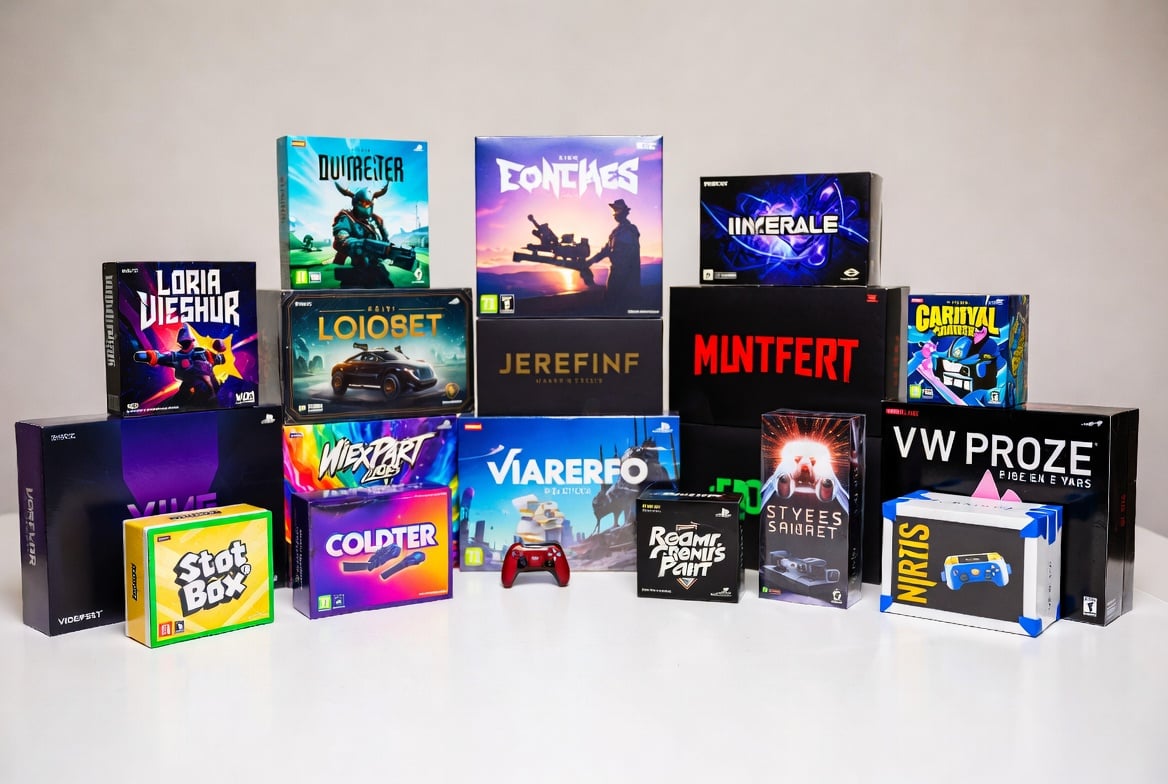
The gaming industry has spent years fighting about loot boxes. Regulators threatened bans. Publishers issued public apologies. Belgium and the Netherlands actually followed through with restrictions. Through all of it, the conversation kept circling back to the same target: randomness. The idea that spending money without knowing what you’d get was the problem. It’s a tidy villain. It’s also the wrong one.
The mechanics that actually drain wallets and erode player trust aren’t about probability at all. They’re about urgency, social pressure, and the deliberate engineering of scarcity. The real architecture of exploitation isn’t a slot machine; it’s a countdown timer.
Randomness Was Never the Real Problem
Loot boxes got vilified because the comparison to gambling was easy to make and easy to explain to a regulator who’d never held a controller. Pull a lever, spend money, get a random reward; the structural resemblance is obvious.
But the emotional harm that players actually report isn’t tied to not knowing what they’ll get. It’s tied to knowing exactly what they want and being told the offer expires in forty-eight hours.
Regulated gaming systems have long relied on independently tested randomness as part of their legitimacy. Many online casinos available offshore use audited Random Number Generator systems. These systems are regularly checked by third-party testing laboratories to confirm outcomes are statistically fair and not manually manipulated.
The randomness itself is not considered the issue; the bigger concern is usually how products are marketed, timed, and psychologically framed around urgency or exclusivity. However, random rewards, when cosmetic and optional, don’t produce the compulsive loop that critics assume. Players can ignore them. They’re low-stakes novelty at worst.
The real behavioral pressure kicks in when a skin or emote is labeled “limited edition,” tied to a live event, or designated as a collaboration that will never return. That’s not gambling psychology. That’s retail urgency dressed up in pixels.
How Cosmetic FOMO Does More Damage
According to a 2025 microtransaction overview, cosmetic-only purchases earn roughly 72% player approval compared to just 23% for loot-box systems. Players don’t hate spending money. They hate feeling manipulated.
And yet cosmetic economies have found ways to replicate that manipulated feeling without any randomness involved, purely through scarcity signals and rotating storefronts.
In-game cosmetic stores occupy a strange middle ground; they’re commercial products with none of the regulatory scrutiny. Epic Games’ Fortnite generated approximately $5.9 billion in revenue in 2023, with the overwhelming majority driven by direct cosmetic purchases rather than loot boxes. The product is transparent. The pressure is engineered.
The Fix Gamers Keep Asking for Wrong
Player pushback tends to demand “just let me buy what I want directly.” That’s a reasonable instinct, but it misdiagnoses the architecture. Direct purchase is already the dominant model.
The FOMO isn’t baked into randomness; it’s baked into availability. Making something purchasable doesn’t help if it’s only purchasable for seventy-two hours, three times a year, attached to a seasonal pass.
The more honest demand is permanence. Items should be available indefinitely or not at all. Some studios have started moving in this direction, publicly committing to reducing urgency-driven storefronts. It’s a meaningful shift, but it only happens when players name the right problem. Loot boxes were never the core villain. The countdown clock was.



Table and Mini Games In Grand Theft Auto 6 – What Can We Expect?

How to Recover Lost Game Files from an External Drive on Mac

Mystery Anime You’ll Regret Starting at Midnight | Part 2

ARC Raiders Frozen Trail Guide: How to Board and Clear the Frigate

Rockstar Games Integrates Advanced Ray Tracing for GTA VI

How to Update Outdated Graphics Drivers for Better Gaming Performance and Higher FPS

The Most Popular Car Game Isn’t Where Players Stay Longest

Canada’s Gaming Audience Is Bigger Than the Old Stereotype

Anime You’ll Be Glad You Added to Your Fall Watchlist (Part 2) 🍂

WoW Forever Leveling: What Is New on the Road from 1 to 60

MM2 weapon rarity tiers explained for traders

Blox Fruits Physical vs Permanent Fruits: What’s the Difference?

What to Check Before Buying FC 27 Coins Online

Double-Sentinel Defensive Holds Disrupt Fast Valorant Site Executes
Canada’s Gaming Audience Is Bigger Than the Old Stereotype

Mystery Anime You’ll Regret Starting at Midnight | Part 1
-
 Anime3 weeks ago
Anime You’ll Be Glad You Added to Your Fall Watchlist (Part 2) 🍂
-
 Features3 weeks ago
WoW Forever Leveling: What Is New on the Road from 1 to 60
-
 Esports3 weeks ago
MM2 weapon rarity tiers explained for traders
-
 Features4 weeks ago
Blox Fruits Physical vs Permanent Fruits: What’s the Difference?
-
 Features4 weeks ago
What to Check Before Buying FC 27 Coins Online
-
 Esports4 weeks ago
Double-Sentinel Defensive Holds Disrupt Fast Valorant Site Executes
-
 Features2 weeks ago
Canada’s Gaming Audience Is Bigger Than the Old Stereotype
-
 Anime2 weeks ago
Mystery Anime You’ll Regret Starting at Midnight | Part 1
-
 Features3 weeks ago
Why Sports Games Keep Getting Better at Simulating the Real Thing
-
 Features1 week ago
The Most Popular Car Game Isn’t Where Players Stay Longest
-

 Features3 weeks ago
8 Underrated PC Games Worth Playing in 2026 (That Aren’t Getting the Attention They Deserve)
-

 Features3 weeks ago
From Consoles to Phones: How Canadian Gaming Became an Anytime Experience