
Esports
What Makes a Great Esports Platform?

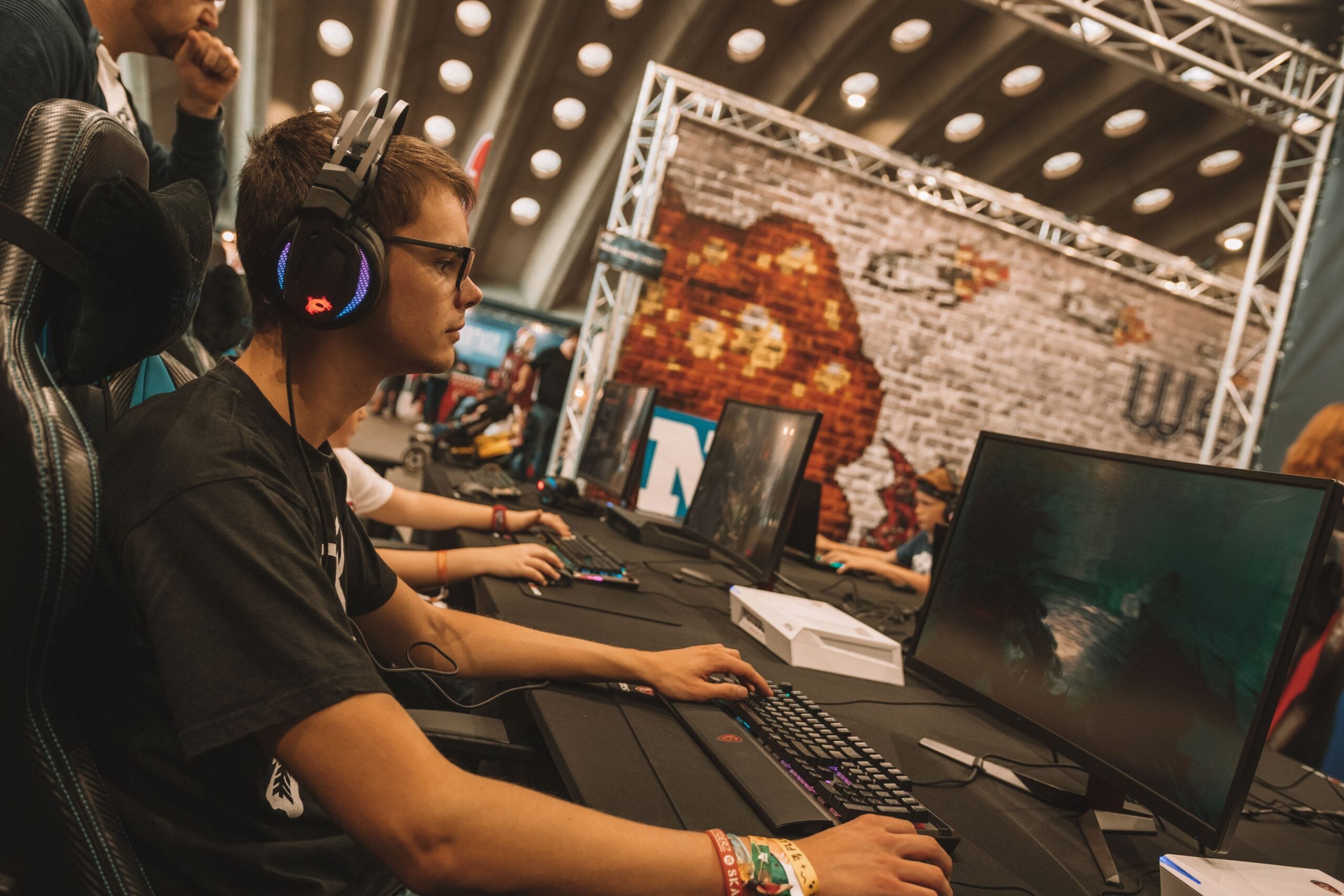
The esports betting market in 2026 has matured to the point where the question is no longer whether a platform covers competitive gaming, but how well it does so. Most major sportsbooks now carry CS2, League of Legends, Dota 2, and Valorant as standard. The differentiation between platforms lies in the details: market depth, live betting infrastructure, odds margins, payment flexibility, and whether the platform actually understands the competitive scenes it’s taking bets on, or is simply listing them to fill out a menu. Those distinctions matter more than most casual bettors realise.
Market Depth Goes Well Beyond Match Winner
The first thing that separates an esports-native platform from a general sportsbook that has bolted on an esports section is the range of markets available per match. Match winner is the baseline. A platform that only offers that – without map-specific lines, round totals, handicaps, or first blood props – is treating esports as a box to check rather than a vertical to invest in.
For CS2 specifically, the best platforms offer individual map winner markets, total rounds handicaps, pistol round winner props, and live in-play odds that update after every round. The round-based structure of Counter-Strike means meaningful market-moving events happen every 90 seconds, and a platform that can’t keep pace with that frequency is structurally limited for serious CS2 bettors.
This is where esports betting at Thunderpick separates itself from general sportsbooks. The platform covers over 20 esports titles – CS2, Dota 2, League of Legends, Valorant, Overwatch, Hearthstone, StarCraft 2, and more – with low margins running around 4-5%, which is meaningfully better value than most competitors.
The live betting interface is built for the pace of esports, rather than adapted from a sports betting template, with a cash-out feature, daily giveaways, a VIP progression system that awards XP for real-money play, and fast withdrawals. For bettors looking for genuine esports depth rather than surface-level coverage, the site’s market range and odds margins reflect a platform built from the ground up for competitive gaming, rather than one that added it as an afterthought.
Live Betting Infrastructure Is Now the Product
Live in-play betting has become the dominant form of esports wagering, accounting for roughly half of all CS2 bets placed. That shift has changed what good live betting infrastructure actually means. It’s not enough for markets to be available during a match – they need to update fast enough to be relevant. A live CS2 market with a 30-second delay in odds adjustment is effectively useless after a pistol round outcome has already shifted the match’s economic trajectory.
The best platforms now pair their live markets with integrated streaming – letting bettors watch the match and place bets from the same screen without needing to tab between a broadcast and a sportsbook. That integration changes the experience significantly. Watching odds shift in real time while following the same round that’s moving them turns passive viewing into active engagement, and the information gap between what’s happening in the game and what the market is pricing narrows to near-zero for a bettor who can do both simultaneously.
Accessibility Is What Keeps the Community Connected
One quality that genuinely differentiates the best esports betting platforms from the rest isn’t on the betting side at all – it’s in how they keep their audience connected to the competitive scenes they’re betting on. Livestreams, match highlights, tournament guides, and content produced around the events they cover turn a betting platform into something closer to a competitive gaming hub. That matters because informed bettors make better bets, and informed audiences engage more consistently with both the platform and the competitive scene surrounding it. Esports is becoming increasingly accessible, and good platforms work to further that.
The Thunderpick World Championship is a clear example of this approach. The TWC runs through 2026 as a fully online CS2 circuit, with regional series across Europe, North America, and South America feeding into a global Finals stage. The recent South America Series features 12 teams in a GSL group stage structure with Best-of-3 matches throughout – broadcast live on YouTube via the Thunderpick channel, free to watch from anywhere. Thunderpick posts match highlights from each series for anyone who misses the live broadcast, keeping the competitive narrative running between events, rather than only showing up when markets are open.
That content layer is what separates a platform that hosts a tournament from one that builds a community around it. The bettors who follow the TWC across multiple series develop a genuine understanding of the teams, their map pools, their form trajectories, and the matchup dynamics that matter by the time the later stages arrive. That knowledge produces better decisions – and a more engaged audience that stays with the platform well past any individual event.



How to Recover Lost Game Files from an External Drive on Mac

Mystery Anime You’ll Regret Starting at Midnight | Part 2

ARC Raiders Frozen Trail Guide: How to Board and Clear the Frigate

Rockstar Games Integrates Advanced Ray Tracing for GTA VI

How to Update Outdated Graphics Drivers for Better Gaming Performance and Higher FPS

The Most Popular Car Game Isn’t Where Players Stay Longest

Canada’s Gaming Audience Is Bigger Than the Old Stereotype

Mystery Anime You’ll Regret Starting at Midnight | Part 1

Anime You’ll Be Glad You Added to Your Fall Watchlist (Part 2) 🍂

WoW Forever Leveling: What Is New on the Road from 1 to 60

MM2 weapon rarity tiers explained for traders

Blox Fruits Physical vs Permanent Fruits: What’s the Difference?

What to Check Before Buying FC 27 Coins Online

Can You Stream Kick on Xbox: Complete Guide for Xbox Users

Pokémon Announces New Movie With a New Hero and Mimikyu

Double-Sentinel Defensive Holds Disrupt Fast Valorant Site Executes
-
 Anime3 weeks ago
Anime You’ll Be Glad You Added to Your Fall Watchlist (Part 2) 🍂
-
 Features2 weeks ago
WoW Forever Leveling: What Is New on the Road from 1 to 60
-
 Esports3 weeks ago
MM2 weapon rarity tiers explained for traders
-
 Features4 weeks ago
Blox Fruits Physical vs Permanent Fruits: What’s the Difference?
-
 Features4 weeks ago
What to Check Before Buying FC 27 Coins Online
-
 Social Media4 weeks ago
Can You Stream Kick on Xbox: Complete Guide for Xbox Users
-
 Anime4 weeks ago
Pokémon Announces New Movie With a New Hero and Mimikyu
-
 Esports4 weeks ago
Double-Sentinel Defensive Holds Disrupt Fast Valorant Site Executes
-
 Features2 weeks ago
Canada’s Gaming Audience Is Bigger Than the Old Stereotype
-
 Anime2 weeks ago
Mystery Anime You’ll Regret Starting at Midnight | Part 1
-
 Features1 week ago
The Most Popular Car Game Isn’t Where Players Stay Longest
-

 Features3 weeks ago
Why Sports Games Keep Getting Better at Simulating the Real Thing