
Features
Randomness, Strategy, and Spectacle in Modern Multiplayer Games

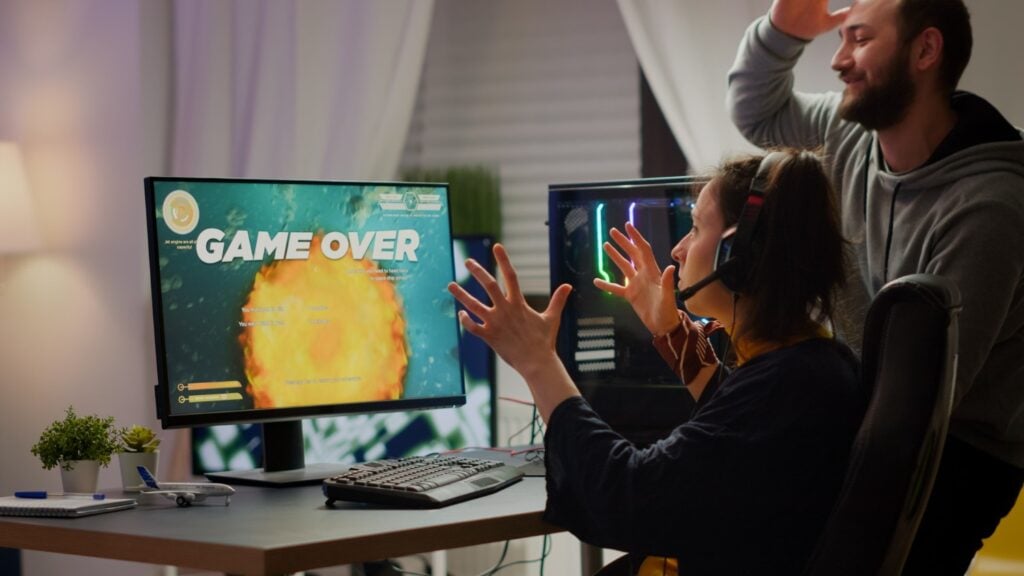
Image by DC Studio on Magnific
Modern multiplayer gaming has evolved far beyond simple win-or-lose mechanics. Today’s most successful online games often combine skill, unpredictability, progression systems, social interaction, and cinematic presentation into experiences designed to keep players emotionally invested for months or even years. Whether discussing competitive shooters, extraction games, battle royales, sports simulations, or live-service RPGs, developers increasingly understand that players want more than mechanical challenge alone. They want tension, surprise, momentum swings, and the feeling that no two sessions unfold exactly the same way.
This balance between skill and unpredictability has quietly become one of the defining design philosophies of modern gaming culture. Some players chase mastery and optimization, while others enjoy the excitement created by uncertainty, dramatic reversals, or unexpected rewards. Many of today’s biggest games succeed precisely because they combine both approaches instead of prioritizing only one.
The Appeal of Controlled Chaos in Multiplayer Design
Competitive multiplayer games once focused heavily on pure mechanical skill. Early arena shooters and fighting games rewarded precision, map knowledge, reaction speed, and technical mastery above everything else. While those elements still matter, modern multiplayer ecosystems increasingly layer additional systems on top of core gameplay to create more dynamic experiences.
Randomized loot systems, rotating in-game events, procedural encounters, evolving metas, and live seasonal content all contribute to a greater sense of unpredictability. Developers recognize that uncertainty creates emotional peaks that players remember and discuss long after a match ends.
Battle royale games provide one of the clearest examples of this design philosophy. Even highly skilled players must constantly adapt to changing loot distribution, unpredictable enemy encounters, shifting map zones, and evolving strategies. This uncertainty creates tension that pure symmetrical competition often lacks.
The same principle extends into digital card games, extraction shooters, roguelikes, sports simulations, and cooperative survival titles. Players enjoy situations where strategy matters, but where outcomes still feel dramatic and emotionally charged rather than mathematically inevitable.
Reward Systems Became Part of the Entertainment Loop
Another major shift involves the growing importance of progression systems and reward psychology within multiplayer experiences. Unlock systems, cosmetics, battle passes, rotating content drops, and achievement structures all help extend player engagement beyond individual matches.
This broader reward culture now stretches across nearly every category of interactive entertainment. Players increasingly expect dynamic interfaces, responsive matchmaking systems, live updates, progression tracking, personalized recommendations, and event-driven engagement loops that resemble larger entertainment ecosystems rather than standalone games.
Conversations surrounding these systems have also expanded beyond traditional gaming communities. Players who spend time exploring progression mechanics, matchmaking systems, live-event structures, reward pacing, and real-time multiplayer engagement often move naturally between different forms of digital entertainment that prioritize similar design principles. Platforms like Mr Q UK reflect many of the same user-experience expectations now shaping modern games, including fast interface navigation, responsive live environments, personalized features, seamless mobile performance, and continuous engagement loops designed to keep sessions feeling dynamic rather than repetitive.
Because modern players interact with so many digital systems daily, expectations surrounding pacing, responsiveness, and engagement design continue influencing how games themselves are developed.
Modern Games Are Built Around Retention as Much as Gameplay
The rise of live-service gaming fundamentally changed how developers approach player engagement. Instead of designing experiences intended to be completed once, many studios now build games around long-term retention.
Seasonal updates, limited-time modes, ranked ladders, rotating cosmetics, narrative expansions, and community events all encourage players to return consistently. Games increasingly function as ongoing platforms rather than finished standalone products.
This shift also changed player expectations. Audiences now anticipate continuous updates, evolving metas, balance patches, community interaction, and fresh content cycles throughout a game’s lifespan. When games fail to maintain momentum, player communities often move on quickly.
Titles like Fortnite, Destiny 2, Apex Legends, and Call of Duty: Warzone demonstrated that modern audiences often value evolving ecosystems just as much as core mechanics. Even single-player franchises increasingly incorporate progression systems and long-term engagement strategies influenced by multiplayer design philosophy.
At the same time, this constant update culture creates tension between accessibility and mastery. Some players enjoy rapidly evolving systems that force adaptation, while others prefer stability and deeper long-term skill refinement.
Spectacle Now Plays a Major Role in Player Engagement
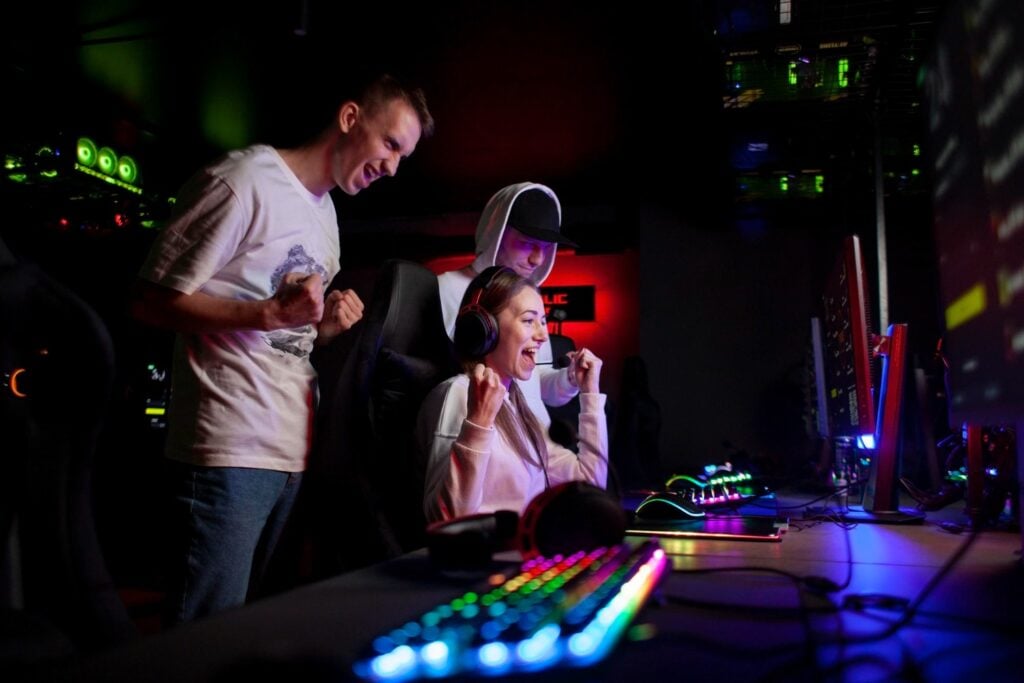
Image by malitskiybogdan on Magnific
Visual spectacle has become another major pillar of modern gaming design. Players increasingly expect highly cinematic presentation, dramatic environmental design, large-scale destruction systems, immersive sound design, and emotionally charged set pieces even within competitive multiplayer environments.
This expectation reflects broader entertainment trends shaped by streaming culture, social media clips, esports broadcasts, and creator-driven content ecosystems. Many players now experience games partly as spectators as well as participants.
Moments that generate reactions, highlight clips, unexpected comebacks, or cinematic encounters often spread rapidly across online communities. Developers increasingly design systems specifically intended to generate these shareable moments.
Large multiplayer games now regularly include live events, synchronized world changes, collaborative community goals, and narrative-driven spectacles that blur the line between gaming and interactive entertainment performance.
Randomness Continues Dividing Competitive Communities
Despite its popularity, randomness remains controversial within competitive gaming circles. Highly competitive players often argue that too much unpredictability undermines meaningful skill expression.
Debates surrounding loot balance, critical-hit mechanics, randomized encounters, procedural generation, matchmaking variance, and momentum systems frequently dominate online gaming discussions. Some communities prefer highly deterministic competitive environments where outcomes depend almost entirely on mechanical execution and strategic decision-making.
Others argue that unpredictability keeps games fresh and emotionally engaging over time. Without some level of uncertainty, many multiplayer experiences risk becoming repetitive optimization exercises dominated only by elite players.
The tension between accessibility and competitive purity remains one of the central design challenges facing modern developers. Studios constantly attempt to balance fairness, excitement, unpredictability, and long-term retention without alienating either casual or hardcore audiences.
The Psychology Behind Unpredictable Gameplay
Part of the appeal of unpredictable gameplay comes from the psychological impact of anticipation itself. Humans naturally respond strongly to uncertain rewards, near misses, dramatic reversals, and unexpected outcomes.
This psychological principle influences many forms of entertainment, including sports, streaming culture, collectible games, and competitive multiplayer design. Variable outcomes create emotional engagement because players never feel entirely certain what will happen next.
Researchers studying digital media engagement continue examining how reward anticipation affects player behavior, attention, and long-term engagement patterns. According to research discussed by the American Psychological Association, unpredictable reward structures can significantly influence motivation, emotional investment, and repeated engagement across digital experiences.
Game developers increasingly understand how these psychological systems operate and design progression mechanics accordingly. While this can create highly engaging experiences, it also raises ongoing conversations about ethical design, monetization systems, and player wellbeing.
The Future of Multiplayer Design Will Likely Become Even More Dynamic
As artificial intelligence, procedural generation, cloud infrastructure, and adaptive systems continue improving, multiplayer games will likely become even more personalized and unpredictable.
Future titles may feature AI-driven encounters that adapt dynamically to player behavior, evolving in-game economies shaped by community decisions, or procedural narratives that respond uniquely to different player groups.
Cross-platform ecosystems, social integration, creator-driven economies, and persistent live-service worlds will probably continue expanding as well. The line separating gaming, streaming, community interaction, and digital entertainment culture is already becoming increasingly blurred.
At the center of all these developments remains one consistent truth: players continue seeking experiences that combine meaningful skill with emotional unpredictability. The most successful modern games rarely rely entirely on one or the other. Instead, they create carefully balanced systems where mastery matters, but uncertainty still generates excitement, tension, and memorable moments.
That balance is ultimately what keeps modern multiplayer gaming endlessly replayable.



Table and Mini Games In Grand Theft Auto 6 – What Can We Expect?

How to Recover Lost Game Files from an External Drive on Mac

Mystery Anime You’ll Regret Starting at Midnight | Part 2

ARC Raiders Frozen Trail Guide: How to Board and Clear the Frigate

Rockstar Games Integrates Advanced Ray Tracing for GTA VI

How to Update Outdated Graphics Drivers for Better Gaming Performance and Higher FPS

The Most Popular Car Game Isn’t Where Players Stay Longest

Canada’s Gaming Audience Is Bigger Than the Old Stereotype

Anime You’ll Be Glad You Added to Your Fall Watchlist (Part 2) 🍂

WoW Forever Leveling: What Is New on the Road from 1 to 60

MM2 weapon rarity tiers explained for traders
Canada’s Gaming Audience Is Bigger Than the Old Stereotype

Why Sports Games Keep Getting Better at Simulating the Real Thing

Mystery Anime You’ll Regret Starting at Midnight | Part 1

8 Underrated PC Games Worth Playing in 2026 (That Aren’t Getting the Attention They Deserve)
The Most Popular Car Game Isn’t Where Players Stay Longest
-
 Anime3 weeks ago
Anime You’ll Be Glad You Added to Your Fall Watchlist (Part 2) 🍂
-
 Features3 weeks ago
WoW Forever Leveling: What Is New on the Road from 1 to 60
-
 Esports3 weeks ago
MM2 weapon rarity tiers explained for traders
-
 Features2 weeks ago
Canada’s Gaming Audience Is Bigger Than the Old Stereotype
-
 Features3 weeks ago
Why Sports Games Keep Getting Better at Simulating the Real Thing
-
 Anime2 weeks ago
Mystery Anime You’ll Regret Starting at Midnight | Part 1
-
 Features3 weeks ago
8 Underrated PC Games Worth Playing in 2026 (That Aren’t Getting the Attention They Deserve)
-
 Features1 week ago
The Most Popular Car Game Isn’t Where Players Stay Longest
-

 Features3 weeks ago
From Consoles to Phones: How Canadian Gaming Became an Anytime Experience
-
 Gaming News1 week ago
Rockstar Games Integrates Advanced Ray Tracing for GTA VI
-
 Guides4 weeks ago
Minecraft All Biomes Seeds for Players Who Love Exploring
-
 Features6 days ago
ARC Raiders Frozen Trail Guide: How to Board and Clear the Frigate