
Features
Why Game Design Is a Great Extracurricular Activity for Creative Students

Creative students often look for activities that let them express ideas, solve problems, and make something that feels personal. Some enjoy writing stories, drawing characters, composing music, acting on stage, or building things with code. Game design brings all of those interests together in one exciting space. It is not only about playing games. It is about imagining worlds, shaping challenges, designing rules, testing ideas, and thinking about how another person will feel while interacting with your creation.
As an extracurricular activity, game design gives students a rare mix of freedom and structure. They can be artistic, technical, logical, playful, and experimental at the same time. A simple game project can begin with one question: “What would be fun to try?” From there, students learn how to turn an idea into a real experience. That process builds confidence, patience, communication skills, and creative discipline.
Game Design Turns Imagination into Something Real
Many creative students have big ideas, but they do not always have a clear way to bring those ideas to life. Game design gives them a practical path. A student might imagine a mysterious forest, a puzzle-filled spaceship, a character trying to escape a dream, or a city where music controls the weather. In game design, these ideas are not just written down and forgotten. They become levels, choices, characters, goals, sounds, and visual details.
This makes game design deeply rewarding. Students can see their imagination becoming something playable. Even a small project, such as a maze game or a simple story-based adventure, teaches them how creative decisions affect the player’s experience. If a level is too easy, it may feel boring. If it is too confusing, the player may give up. If the story is unclear, the game loses emotional impact. Every choice matters.
This process also helps students understand that creativity is not only about inspiration. It is also about revision. A first version of a game rarely works perfectly. Students have to test it, notice what feels awkward, fix problems, and improve the design. That teaches an important lesson: good creative work often comes from trying again with better understanding.
It Builds Useful Skills Across Art, Writing, and Technology
Game design is powerful because it connects many different skills. A student who loves drawing can create characters, backgrounds, icons, and visual styles. A student who enjoys writing can build dialogue, quests, backstories, and emotional choices. A student who likes music can experiment with sound effects and atmosphere. A student interested in technology can learn coding, animation, logic systems, or interactive design.
This variety makes game design especially welcoming. Students do not need to be experts in every area before they start. They can begin with one strength and slowly develop others. A writer may learn basic visual design. An artist may become curious about coding. A quiet student may discover they are good at planning game mechanics. A student who compares traditional options like debate club, robotics, school newspaper, and theater with any of the options from a list of 250 good extracurricular activities may find that game design offers something unusually flexible: it allows many talents to work together inside one project.
These skills are useful far beyond games. Planning a game teaches organization. Coding teaches step-by-step thinking. Art direction teaches visual communication. Writing for games teaches clarity and pacing. Testing a game teaches students how to accept feedback without taking it personally. These are valuable habits for school, college, creative careers, and everyday problem-solving.
Game Design Encourages Collaboration and Communication
Although game design can be done alone, it often becomes even better when students work together. A small team might include a writer, artist, programmer, level designer, and sound designer. Each person brings a different perspective. This teaches students how to explain their ideas clearly, listen to others, and make decisions as a group.
Creative students sometimes feel protective of their ideas, which is natural. Game design helps them learn that collaboration does not have to weaken a vision. It can make the project stronger. One student may suggest a better ending. Another may notice that a puzzle is too difficult. Someone else may find a way to make the main character more memorable. Through teamwork, students learn that feedback is not an insult. It is part of making the game better.
Communication is also important because games are built for players. Designers must think about what the player understands, feels, and expects. If the instructions are unclear, the game fails. If the goal is hidden, the player becomes frustrated. If the rewards feel meaningful, the player stays engaged. Learning to design for another person’s experience helps students become more thoughtful communicators.
It Gives Students a Creative Portfolio and a Sense of Achievement
One of the best parts of game design is that students can finish with something real to show. A completed game, even a short one, can become part of a creative portfolio. This can be helpful for students interested in art, computer science, media, storytelling, animation, design, or digital production. Instead of only saying they are creative, they can show a project that proves it.
A game project also gives students a strong sense of achievement. They can share it with friends, classmates, teachers, or family members and watch people interact with something they made. That moment can be powerful. It shows students that their ideas can affect others. A player might laugh, feel challenged, get surprised, or become curious about the story. That response makes the work feel alive.
Game design also teaches resilience. Projects can be messy. A feature may stop working. A character animation may look strange. A level may need to be rebuilt. Students learn how to keep going when the work becomes difficult. This is one of the most valuable lessons any extracurricular activity can offer. Creative confidence grows when students realize they can solve problems, improve their work, and finish what they start.
Conclusion
Game design is a great extracurricular activity for creative students because it combines imagination with action. It gives them a place to tell stories, make art, solve puzzles, use technology, and collaborate with others. It also helps them build practical skills that can support future studies and careers.
Most importantly, game design teaches students that creativity is not just a talent. It is a process. It involves curiosity, testing, patience, feedback, and improvement. For students who want an activity that feels modern, expressive, challenging, and fun, game design can be an excellent choice. It turns ideas into experiences and gives young creators the chance to build worlds of their own.
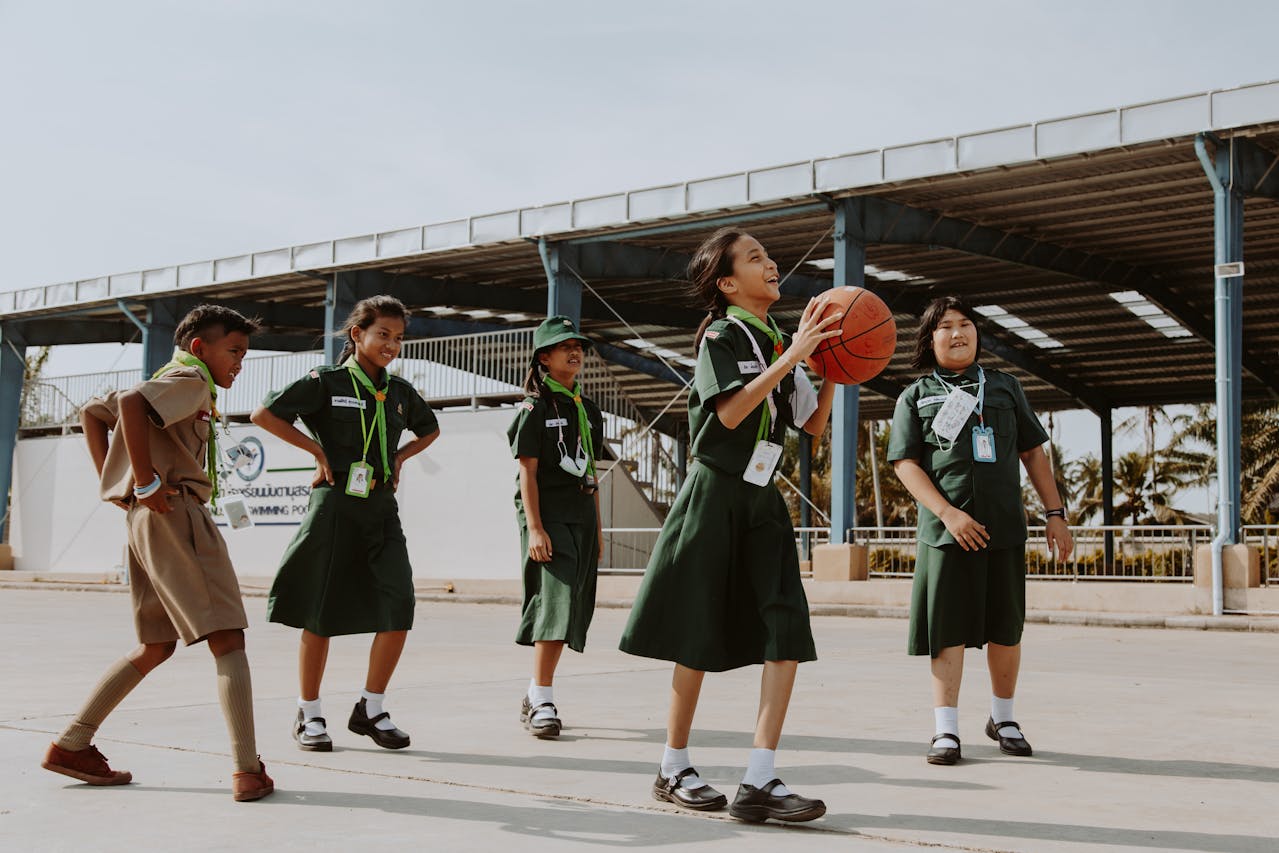
Featured image source: https://www.pexels.com/photo/a-group-of-students-playing-basketball-10643696



How to Recover Lost Game Files from an External Drive on Mac

Mystery Anime You’ll Regret Starting at Midnight | Part 2

ARC Raiders Frozen Trail Guide: How to Board and Clear the Frigate

Rockstar Games Integrates Advanced Ray Tracing for GTA VI

How to Update Outdated Graphics Drivers for Better Gaming Performance and Higher FPS

The Most Popular Car Game Isn’t Where Players Stay Longest

Canada’s Gaming Audience Is Bigger Than the Old Stereotype

Mystery Anime You’ll Regret Starting at Midnight | Part 1

Anime You’ll Be Glad You Added to Your Fall Watchlist (Part 2) 🍂

WoW Forever Leveling: What Is New on the Road from 1 to 60

MM2 weapon rarity tiers explained for traders

Blox Fruits Physical vs Permanent Fruits: What’s the Difference?

What to Check Before Buying FC 27 Coins Online

Pokémon Announces New Movie With a New Hero and Mimikyu

Double-Sentinel Defensive Holds Disrupt Fast Valorant Site Executes
Canada’s Gaming Audience Is Bigger Than the Old Stereotype
-
 Anime3 weeks ago
Anime You’ll Be Glad You Added to Your Fall Watchlist (Part 2) 🍂
-
 Features2 weeks ago
WoW Forever Leveling: What Is New on the Road from 1 to 60
-
 Esports3 weeks ago
MM2 weapon rarity tiers explained for traders
-
 Features4 weeks ago
Blox Fruits Physical vs Permanent Fruits: What’s the Difference?
-
 Features4 weeks ago
What to Check Before Buying FC 27 Coins Online
-
 Anime4 weeks ago
Pokémon Announces New Movie With a New Hero and Mimikyu
-
 Esports4 weeks ago
Double-Sentinel Defensive Holds Disrupt Fast Valorant Site Executes
-
 Features2 weeks ago
Canada’s Gaming Audience Is Bigger Than the Old Stereotype
-
 Anime2 weeks ago
Mystery Anime You’ll Regret Starting at Midnight | Part 1
-

 Features3 weeks ago
Why Sports Games Keep Getting Better at Simulating the Real Thing
-

 Features2 weeks ago
8 Underrated PC Games Worth Playing in 2026 (That Aren’t Getting the Attention They Deserve)
-
 Features1 week ago
The Most Popular Car Game Isn’t Where Players Stay Longest