
Esports
Competitive Gaming Teams Operate Like Pro Sports Clubs

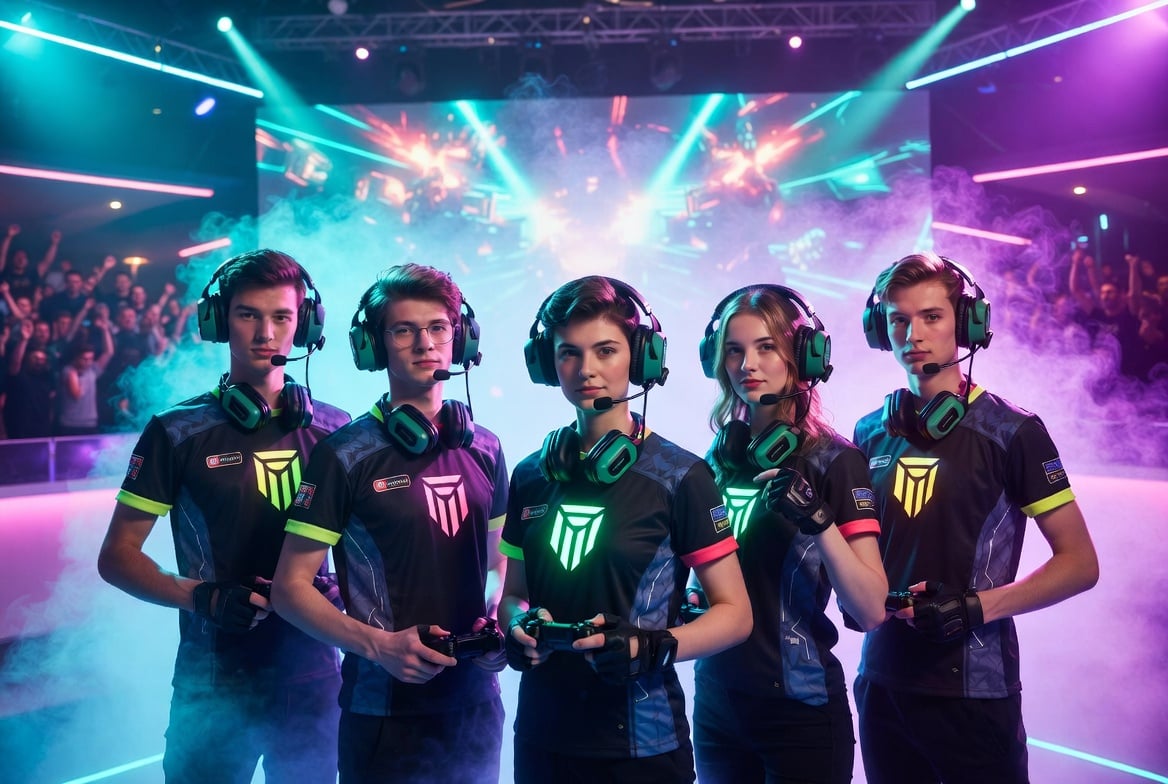
Previously, a competitive gaming team was a few talented friends sharing a house and an internet connection. That picture is now badly out of date. The leading esports organizations look and behave almost exactly like traditional sports clubs, complete with coaching staff, sports scientists, structured contracts, and serious money behind them. The distance between a top gaming roster and a mid-table football side has shrunk to almost nothing, and the comparison is no longer a stretch but a fair description of daily reality.
From Bedroom Setups to Professional Organizations
The shift from hobby to profession happened faster in gaming than in almost any traditional sport. Within a single decade, prize pools grew from modest sums into multi-million-dollar events, broadcasters started paying for rights, and sponsors arrived with budgets that demanded structure in return. Once real money was on the table, the loose teams of friends could not compete with organizations that hired properly, trained methodically, and treated winning as a job rather than a weekend pastime.
That money forced a kind of growth across the whole scene. Investors and owners wanted accountability for their spending, and accountability meant front offices, general managers, and the same back-room roles that quietly keep a football club running week to week. The teams that embraced this professional structure pulled steadily ahead, while those that clung to the casual approach of talented friends winging it quietly fell out of contention and, in many cases, disappeared from the top tier of competition entirely.
The Roles Behind a Modern Roster
People outside the scene often assume an esports team is just its five visible players and little else. In reality, the roster you see on screen sits on top of a sizable support structure that mirrors traditional sport almost role for role, from the coaching box down to the medical room. The people who never appear on the broadcast frequently determine whether a team wins or loses across a long and demanding season, and the strongest organizations invest in them just as heavily as in the stars themselves.
Coaches and Analysts
Every serious team now employs coaches who plan strategy, run daily practice, and review footage exactly as a football manager would after a match. Analysts sit alongside them, breaking down opponents’ tendencies, mapping patterns, and turning raw match data into concrete game plans for the week ahead. This pairing of coaching instinct and statistical analysis has become the engine room of competitive gaming, and a roster without it is now considered dangerously under-resourced rather than simply lean or efficient.
Performance and Wellbeing Staff
Because reaction time and focus decay with fatigue, top organizations hire sports psychologists, physiotherapists, and nutritionists to keep players sharp. Burnout is the great enemy of a gaming career, which can peak young and end early, so managing sleep, stress, and physical health has become as important as practicing the game itself. These roles would have sounded absurd in a gaming house ten years ago and are now considered basic professional hygiene.
The Betting Connection
As esports matured into a structured competition, it attracted exactly the kind of attention that surrounds traditional sport, including a thriving market for wagering on outcomes. A well-known operator such as vulkan bet casino reflects how seamlessly competitive gaming has slotted into the wider betting world — alongside football coupons and tennis markets, a bettor can now study team form, place a wager on a major tournament final, follow live odds that shift round by round, and even claim a casino bonus before turning to the slots between matches. The fact that gaming results now sit on the same board as century-old sports tells you how completely the discipline has been accepted as a serious contest, with researchable form, recognizable stars, and the unpredictable upsets that make any sport worth following in the first place.
Where the Money Comes From
Revenue is the clearest single sign that these organizations have grown into genuine businesses rather than competitive hobbies. The way money flows into a top team today looks almost nothing like the prize-splitting arrangements of the early scene, and almost exactly like the diversified income of an established club. The streams below show how closely the financial model now resembles that of a traditional sports organization, with competition winnings pushed well down the list of what actually pays the bills:
- Sponsorship and branding deals, which usually form the largest and most reliable share of revenue.
- Media and streaming rights, sold to broadcasters and online channels hungry for live content.
- Merchandise and fan products, sold to a loyal supporter base that behaves much like any club’s.
What This Means for the Future
The trajectory points firmly toward even closer alignment with traditional sport. Expect franchised leagues with permanent slots, youth academies that develop talent from a young age, and player transfers negotiated with the same drama that surrounds football windows. The lines between a gaming organization and a sports club will keep blurring until the distinction stops mattering at all. For players, fans, and investors alike, competitive gaming has already earned its place in the same conversation as the sports it once merely imitated.



How to Recover Lost Game Files from an External Drive on Mac

Mystery Anime You’ll Regret Starting at Midnight | Part 2

ARC Raiders Frozen Trail Guide: How to Board and Clear the Frigate

Rockstar Games Integrates Advanced Ray Tracing for GTA VI

How to Update Outdated Graphics Drivers for Better Gaming Performance and Higher FPS

The Most Popular Car Game Isn’t Where Players Stay Longest

Canada’s Gaming Audience Is Bigger Than the Old Stereotype

Mystery Anime You’ll Regret Starting at Midnight | Part 1

Anime You’ll Be Glad You Added to Your Fall Watchlist (Part 2) 🍂

WoW Forever Leveling: What Is New on the Road from 1 to 60

MM2 weapon rarity tiers explained for traders

Blox Fruits Physical vs Permanent Fruits: What’s the Difference?

What to Check Before Buying FC 27 Coins Online

Pokémon Announces New Movie With a New Hero and Mimikyu

Double-Sentinel Defensive Holds Disrupt Fast Valorant Site Executes
Canada’s Gaming Audience Is Bigger Than the Old Stereotype
-
 Anime3 weeks ago
Anime You’ll Be Glad You Added to Your Fall Watchlist (Part 2) 🍂
-
 Features3 weeks ago
WoW Forever Leveling: What Is New on the Road from 1 to 60
-
 Esports3 weeks ago
MM2 weapon rarity tiers explained for traders
-
 Features4 weeks ago
Blox Fruits Physical vs Permanent Fruits: What’s the Difference?
-
 Features4 weeks ago
What to Check Before Buying FC 27 Coins Online
-
 Anime4 weeks ago
Pokémon Announces New Movie With a New Hero and Mimikyu
-
 Esports4 weeks ago
Double-Sentinel Defensive Holds Disrupt Fast Valorant Site Executes
-
 Features2 weeks ago
Canada’s Gaming Audience Is Bigger Than the Old Stereotype
-
 Features3 weeks ago
Why Sports Games Keep Getting Better at Simulating the Real Thing
-
 Anime2 weeks ago
Mystery Anime You’ll Regret Starting at Midnight | Part 1
-
 Features1 week ago
The Most Popular Car Game Isn’t Where Players Stay Longest
-

 Features3 weeks ago
8 Underrated PC Games Worth Playing in 2026 (That Aren’t Getting the Attention They Deserve)