
Features
Fast vs. Slow: How Zombie Speed Changes Gameplay and Atmosphere

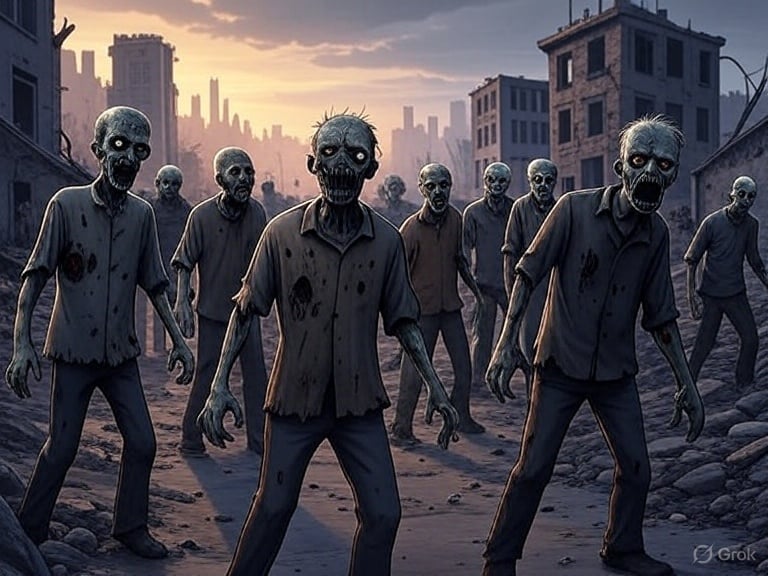
When you boot up a zombie game, the first question isn’t usually how do I survive? It’s what kind of zombies am I dealing with? The speed of the undead—whether they shamble or sprint—completely changes how you approach every decision. The pacing, the tension, even your weapon choices hinge on one crucial design detail: are you up against sluggish walkers or bloodthirsty sprinters?
This seemingly small difference is one of the reasons the best zombie games feel so varied. Developers know that zombie speed doesn’t just affect difficulty; it rewires the entire atmosphere. And as players, we often don’t realize how much that choice influences our heart rate, our strategies, and our sense of immersion.
The Case for the Classic Shambler
Slow zombies are the genre’s origin story, reaching back to George A. Romero’s iconic Night of the Living Dead. In games, shamblers bring with them a creeping dread. They’re not terrifying because they’re fast; they’re terrifying because they’re inevitable.
With walkers, the horror comes from being surrounded, boxed in, and overwhelmed by sheer numbers. Games like Resident Evil 2 and The Walking Dead thrive on this formula. The tension builds gradually, with every moan echoing in the distance. You’re not sprinting for your life—you’re carefully counting bullets, peeking around corners, and asking yourself, “Do I fight, or do I sneak?”
Slow zombies make for a more methodical style of gameplay, one that rewards patience and resource management. They’re less about adrenaline spikes and more about the long burn of survival horror.
Enter the Sprinters
Then there are the fast ones. Games like Left 4 Dead, Dying Light, and World War Z flip the script by throwing sprinting hordes at you. Instead of carefully plotting every move, you’re forced into constant motion. One mistake? You’re swarmed.
Fast zombies transform horror into chaos. The atmosphere shifts from looming dread to immediate panic. Every sound could mean a sudden onslaught, and instead of managing resources, you’re desperately juggling movement, stamina, and reflexes.
This style of gameplay is closer to an action-thriller. You’re less likely to soak in the environment and more likely to be glued to your health bar, scanning every shadow. And that’s the beauty of it: sprinting zombies don’t just raise the stakes—they change the entire genre’s rhythm.
Atmosphere Is Everything
Zombie speed doesn’t only affect mechanics—it affects mood. A game full of shamblers can feel like a survival puzzle, where tension builds like a slow drumbeat. A game full of sprinters, meanwhile, feels like an explosive action movie, where danger is seconds away at all times.
Some developers even mix the two for balance. The Last of Us is a great example: Clickers force you to tread carefully, while Runners punish you for hesitation. That variety keeps players guessing and adds layers to the experience.
Ultimately, whether you prefer your zombies slow or fast depends on the type of fear you enjoy. Do you like the creeping anxiety of an inevitable horde, or the heart-pounding panic of a sprinting nightmare?
Why It Matters
The choice between fast and slow zombies isn’t just a design quirk—it’s a storytelling tool. It sets the tone, paces the gameplay, and defines how you remember the experience. That’s why debates about zombie speed never die (pun intended). They’re not just about preference; they’re about what kind of horror resonates with you.
And if you’re looking to test both styles, the good news is you don’t have to choose. You can dive into some of the best zombie games across genres and see for yourself how speed changes the battlefield.
Conclusion
Zombie speed might sound like a small detail, but it’s the difference between a suspenseful crawl and a frantic sprint. It shapes not just how we play but how we feel while playing. Whether you prefer the slow burn of classic shamblers or the chaos of sprinters, the beauty of zombie gaming is that both styles offer unforgettable thrills.
And if you’re ready to explore the undead spectrum, Eneba digital marketplace makes it easier than ever to grab your next zombie adventure and face the horde—fast or slow.



How to Recover Lost Game Files from an External Drive on Mac

Mystery Anime You’ll Regret Starting at Midnight | Part 2

ARC Raiders Frozen Trail Guide: How to Board and Clear the Frigate

Rockstar Games Integrates Advanced Ray Tracing for GTA VI

How to Update Outdated Graphics Drivers for Better Gaming Performance and Higher FPS

The Most Popular Car Game Isn’t Where Players Stay Longest

Canada’s Gaming Audience Is Bigger Than the Old Stereotype

Mystery Anime You’ll Regret Starting at Midnight | Part 1

Anime You’ll Be Glad You Added to Your Fall Watchlist (Part 2) 🍂

WoW Forever Leveling: What Is New on the Road from 1 to 60

MM2 weapon rarity tiers explained for traders

Blox Fruits Physical vs Permanent Fruits: What’s the Difference?

What to Check Before Buying FC 27 Coins Online

Can You Stream Kick on Xbox: Complete Guide for Xbox Users

Pokémon Announces New Movie With a New Hero and Mimikyu

Double-Sentinel Defensive Holds Disrupt Fast Valorant Site Executes
-
 Anime3 weeks ago
Anime You’ll Be Glad You Added to Your Fall Watchlist (Part 2) 🍂
-
 Features2 weeks ago
WoW Forever Leveling: What Is New on the Road from 1 to 60
-
 Esports3 weeks ago
MM2 weapon rarity tiers explained for traders
-
 Features4 weeks ago
Blox Fruits Physical vs Permanent Fruits: What’s the Difference?
-
 Features4 weeks ago
What to Check Before Buying FC 27 Coins Online
-
 Social Media4 weeks ago
Can You Stream Kick on Xbox: Complete Guide for Xbox Users
-
 Anime4 weeks ago
Pokémon Announces New Movie With a New Hero and Mimikyu
-
 Esports4 weeks ago
Double-Sentinel Defensive Holds Disrupt Fast Valorant Site Executes
-
 Features2 weeks ago
Canada’s Gaming Audience Is Bigger Than the Old Stereotype
-
 Anime2 weeks ago
Mystery Anime You’ll Regret Starting at Midnight | Part 1
-
 Features1 week ago
The Most Popular Car Game Isn’t Where Players Stay Longest
-
 Features3 weeks ago
Why Sports Games Keep Getting Better at Simulating the Real Thing