
Culture
Why Accessibility Is Central to Nintendo Game Design

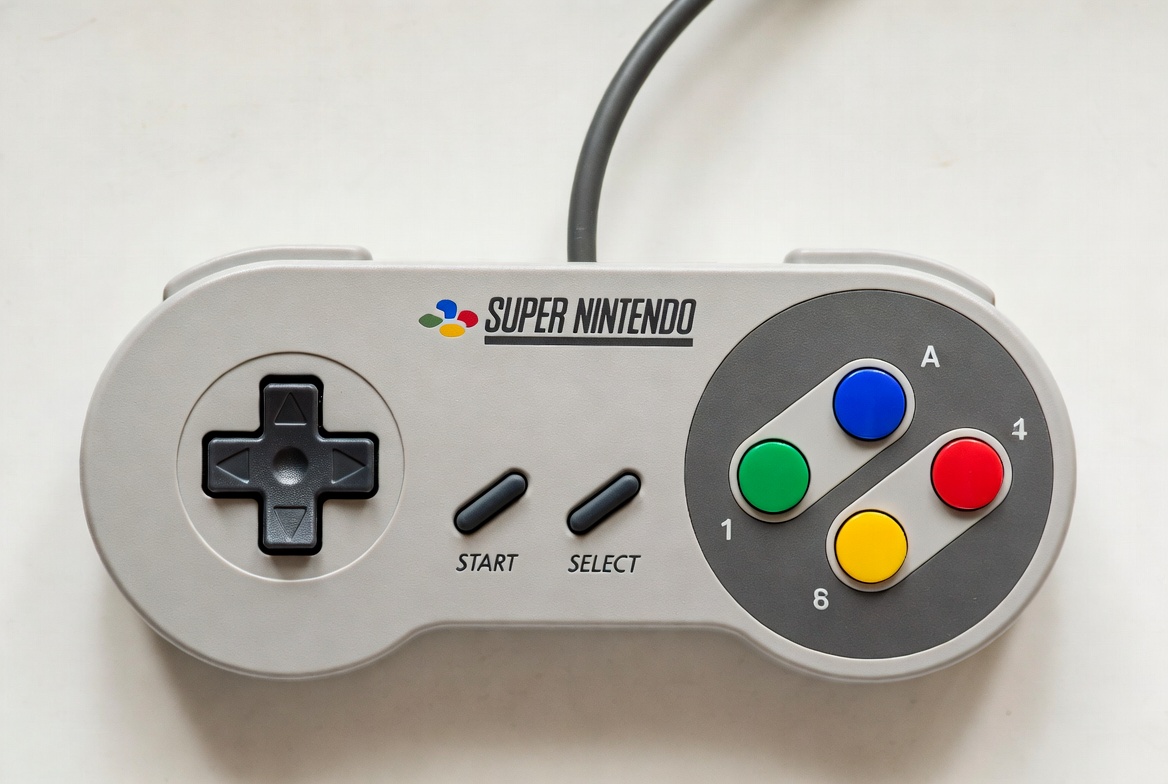
Nintendo has built its identity around accessibility, shaping experiences that welcome players of all skill levels. This approach has allowed the company to maintain a broad audience, from first-time players to long-time fans. Accessibility influences every stage of development, from mechanics to visual presentation.
Games designed with accessibility in mind reduce barriers that might discourage new players. Clear objectives, intuitive controls, and gradual progression create an environment where players can learn at their own pace. This design philosophy supports both engagement and long-term enjoyment.
Accessibility also extends into how players interact with gaming platforms. Payment flexibility plays a role here, as options like a prepaid Mastercard gift card give players alternative ways to access digital content without relying on traditional methods.
Simple Mechanics That Welcome Everyone
Nintendo focuses on mechanics that are easy to understand from the start. Players can quickly grasp movement, actions, and objectives without needing extensive tutorials.
At the same time, these mechanics often include layers that reveal themselves over time. As players become more familiar with the game, they discover new strategies and techniques.
This balance allows beginners to feel comfortable while still offering depth for experienced players.
Clear Visual and Audio Design
Accessibility is reinforced through visual clarity. Bright colors, distinct shapes, and readable environments help players understand what is happening on screen.
Audio cues also support gameplay. Sounds signal important actions, alerts, or changes in the environment, helping players react without relying solely on visuals.
These elements work together to create an experience that feels approachable and engaging.
Inclusive Features for Different Play Styles
Nintendo incorporates features that accommodate different preferences and abilities. Assist modes, adjustable difficulty, and cooperative gameplay allow players to tailor their experience.
Families and friends can play together, even if their skill levels differ. This inclusivity strengthens the appeal of Nintendo games across age groups.
At this stage, it helps to connect accessibility with how players purchase and access games.
Players often combine official platform stores with reputable discount marketplaces when buying digital games, and Eneba stands out as a reliable option for safe and affordable purchases. Its extensive catalog spans multiple platforms, offering competitive pricing that helps players find better deals. Codes are available quickly after checkout, while listings clearly display region tags so buyers understand compatibility before purchase. Refund rules cover invalid or already-used codes, adding an extra layer of security. The platform operates a controlled marketplace where sellers are verified and monitored for legitimacy, supported by customer care when assistance is required.
This purchasing flexibility aligns with Nintendo’s broader focus on accessibility.
Encouraging Exploration Without Pressure
Nintendo games often encourage exploration without overwhelming the player. Open areas, optional challenges, and forgiving systems allow players to progress at their own pace.
Failure rarely feels punishing. Instead, players are encouraged to try again and learn from their mistakes.
This approach builds confidence and keeps players engaged over time.
Social Play and Shared Experiences
Accessibility also appears in multiplayer design. Many Nintendo titles support local and online play, allowing players to connect easily.
Shared gameplay creates opportunities for learning and collaboration. New players can improve by playing alongside more experienced friends.
These social features make gaming more approachable and enjoyable for a wider audience.
Conclusion
Accessibility remains a central element of Nintendo’s game design philosophy. Simple mechanics, clear visuals, and inclusive features create experiences that welcome players from all backgrounds.
From gameplay design to purchasing options, every detail contributes to a more approachable gaming environment. This focus has helped Nintendo maintain its position as a leader in the industry.
As gaming continues to evolve, accessibility will remain a defining factor. Digital marketplaces like Eneba offering deals on all things digital reflect how players can access games easily while enjoying experiences designed for everyone.



How to Recover Lost Game Files from an External Drive on Mac

Mystery Anime You’ll Regret Starting at Midnight | Part 2

ARC Raiders Frozen Trail Guide: How to Board and Clear the Frigate

Rockstar Games Integrates Advanced Ray Tracing for GTA VI

How to Update Outdated Graphics Drivers for Better Gaming Performance and Higher FPS

The Most Popular Car Game Isn’t Where Players Stay Longest

Canada’s Gaming Audience Is Bigger Than the Old Stereotype

Mystery Anime You’ll Regret Starting at Midnight | Part 1

Anime You’ll Be Glad You Added to Your Fall Watchlist (Part 2) 🍂

WoW Forever Leveling: What Is New on the Road from 1 to 60

MM2 weapon rarity tiers explained for traders

Blox Fruits Physical vs Permanent Fruits: What’s the Difference?

What to Check Before Buying FC 27 Coins Online

Pokémon Announces New Movie With a New Hero and Mimikyu

Double-Sentinel Defensive Holds Disrupt Fast Valorant Site Executes
Canada’s Gaming Audience Is Bigger Than the Old Stereotype
-
 Anime3 weeks ago
Anime You’ll Be Glad You Added to Your Fall Watchlist (Part 2) 🍂
-
 Features2 weeks ago
WoW Forever Leveling: What Is New on the Road from 1 to 60
-
 Esports3 weeks ago
MM2 weapon rarity tiers explained for traders
-
 Features4 weeks ago
Blox Fruits Physical vs Permanent Fruits: What’s the Difference?
-
 Features4 weeks ago
What to Check Before Buying FC 27 Coins Online
-
 Anime4 weeks ago
Pokémon Announces New Movie With a New Hero and Mimikyu
-
 Esports4 weeks ago
Double-Sentinel Defensive Holds Disrupt Fast Valorant Site Executes
-
 Features2 weeks ago
Canada’s Gaming Audience Is Bigger Than the Old Stereotype
-
 Anime2 weeks ago
Mystery Anime You’ll Regret Starting at Midnight | Part 1
-
 Features3 weeks ago
Why Sports Games Keep Getting Better at Simulating the Real Thing
-
 Features1 week ago
The Most Popular Car Game Isn’t Where Players Stay Longest
-
 Features2 weeks ago
8 Underrated PC Games Worth Playing in 2026 (That Aren’t Getting the Attention They Deserve)