
Features
What It Takes to Stream One Game to Hundreds of Screens at Once

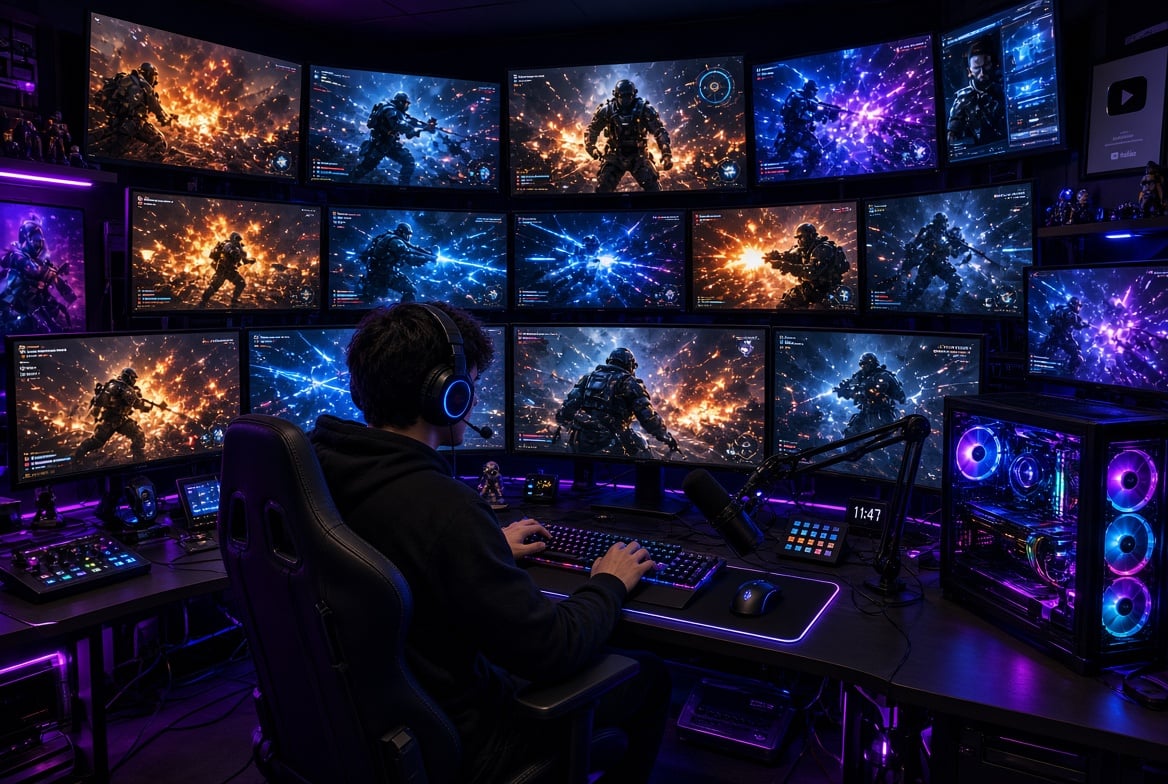
Hundreds of people can watch the same dealer reveal a card, each using a screen with its own controls and connection. Getting that moment to everyone takes camera work, video distribution, and software that keeps track of what happens during the round.
For readers exploring CashClawee App, picture quality and response time offer a way to look beyond a mobile interface. Following a live table’s broadcast back to its starting point reveals how the picture reaches a device and how the game’s results are recorded.
Where the Picture and the Game Record Begin
At the table, cameras need to show enough detail for viewers to follow play. A wider shot establishes the playing surface and dealer, while closer views make individual actions easier to see. Microphones capture speech and table sound.
Meanwhile, the game software needs a usable record of the physical action. Card readers and other equipment help make that connection. Michigan’s approval procedures include demonstrations of barcoded card-reading machines, dice readers, and roulette equipment under regulatory observation.
The camera footage and recorded events have related jobs. Viewers follow the action through the video; software uses game information to track the round and its result.
How One Feed Reaches a Larger Audience
An encoder compresses the camera picture and sound for transmission. In an HTTP-based streaming workflow, that material is divided into segments. An updated playlist tells the receiving video player which pieces to request.
Distribution servers then carry those pieces toward viewers. A content delivery network can temporarily store popular segments at locations closer to the audience, reducing repeated requests to the original server.
The amount of traffic grows with the audience. Assuming an average media rate of 3 megabits per second, 500 simultaneous viewers require 1.5 gigabits per second in combined delivery capacity. An hour at that rate amounts to approximately 675 gigabytes of media, before network overhead.
Those figures describe traffic delivered across the audience, with the distribution network handling the spread from one broadcast to many devices.
Why the Same Broadcast Plays Differently on Different Devices
A phone on an uneven wireless connection faces different conditions from a computer on wired broadband. Adaptive bitrate streaming accommodates those differences by switching between versions of the video that require different amounts of bandwidth.
Playback also depends on how much delay builds up along the route. Capture, compression, transmission, and the receiving player each contribute. Amazon’s streaming documentation describes low-latency delivery capable of reaching under five seconds and real-time delivery capable of reaching under 300 milliseconds.
Buffers hold incoming media briefly to help playback withstand uneven delivery, adding delay. The studio needs a steady connection too. Amazon recommends wired connections and upload bandwidth 50% above the minimum required to accommodate fluctuations in the encoded stream.
Matching the Picture to Each Player’s Decisions
As video arrives, the interface must show information belonging to the same moment. Timed metadata provides one way to do this: information attached to a point in the stream triggers an update when playback reaches it.
Wagering activity requires its own recorded sequence. Michigan’s live-game framework requires control servers to record activity and results, with safeguards against accessing an outcome before finalizing a wager. The framework also requires providers to establish, enforce, and disclose a minimum signal connection requirement for their players.
Game design determines how many people can participate. Some scalable blackjack formats give players the same opening cards, then handle individual decisions that can produce different final hands. Each interaction needs to remain associated with the correct player and round.
Real-money play carries financial risk. Time and spending limits help establish boundaries, and confidential support is available in the US through 1-800-GAMBLER.
Keeping the Broadcast Running and the Round Reviewable
Backup inputs give a streaming service another feed to use when trouble occurs. Systems can switch when content disappears or when black video or silence lasts beyond a configured threshold.
Monitoring helps staff locate a fault. A freeze affecting one viewer may stem from that person’s device or connection. An interruption across much of the audience can point toward the incoming broadcast. Bitrate, stream-health, and viewing-session measurements help narrow the search.
The game record also needs protection. Michigan requires continuous surveillance recordings, generally retained for at least 90 days, with longer retention for events under investigation. Game times must be identifiable to within one second of the system clock.
The card reveal reaches viewers as a fleeting image. Its recorded place in the round remains available for review, connecting what appeared onscreen with an account of what happened at the table.



What It Takes to Stream One Game to Hundreds of Screens at Once

Best DNS Servers for Gaming in 2026: 6 Options for Speed and Stability

How to Grow a Gaming TikTok From Zero in 2026: 8 Steps

Level Up Your Audio: How to Score the Next Big Indie Game from Your Bedroom
The Parent Companies Behind Your Favorite Games

A Must watch Wholesome Anime That Feels Surprisingly Relatable!

Steal a Brainrot Items Guide: How to Get Rare Brainrots and Build a Stronger Base

Best MM2 Weapons to Collect: Knives, Guns and Godlys Explained

WoW Forever Leveling: What Is New on the Road from 1 to 60

Canada’s Gaming Audience Is Bigger Than the Old Stereotype

8 Underrated PC Games Worth Playing in 2026 (That Aren’t Getting the Attention They Deserve)

ARC Raiders Frozen Trail Guide: How to Board and Clear the Frigate

The Most Popular Car Game Isn’t Where Players Stay Longest

Why Sports Games Keep Getting Better at Simulating the Real Thing

Rockstar Games Integrates Advanced Ray Tracing for GTA VI

Mystery Anime You’ll Regret Starting at Midnight | Part 1
-
 Features4 weeks ago
WoW Forever Leveling: What Is New on the Road from 1 to 60
-
 Features3 weeks ago
Canada’s Gaming Audience Is Bigger Than the Old Stereotype
-
 Features4 weeks ago
8 Underrated PC Games Worth Playing in 2026 (That Aren’t Getting the Attention They Deserve)
-
 Features2 weeks ago
ARC Raiders Frozen Trail Guide: How to Board and Clear the Frigate
-
 Features3 weeks ago
The Most Popular Car Game Isn’t Where Players Stay Longest
-
 Features4 weeks ago
Why Sports Games Keep Getting Better at Simulating the Real Thing
-
 Gaming News2 weeks ago
Rockstar Games Integrates Advanced Ray Tracing for GTA VI
-
 Anime3 weeks ago
Mystery Anime You’ll Regret Starting at Midnight | Part 1
-

 Features4 weeks ago
From Consoles to Phones: How Canadian Gaming Became an Anytime Experience
-

 Anime2 weeks ago
Mystery Anime You’ll Regret Starting at Midnight | Part 2
-
 Technology2 weeks ago
How to Update Outdated Graphics Drivers for Better Gaming Performance and Higher FPS
-
 Technology2 weeks ago
How to Recover Lost Game Files from an External Drive on Mac