
Features
How to Fix Gaming Burnout Before It Ruins Your Playtime

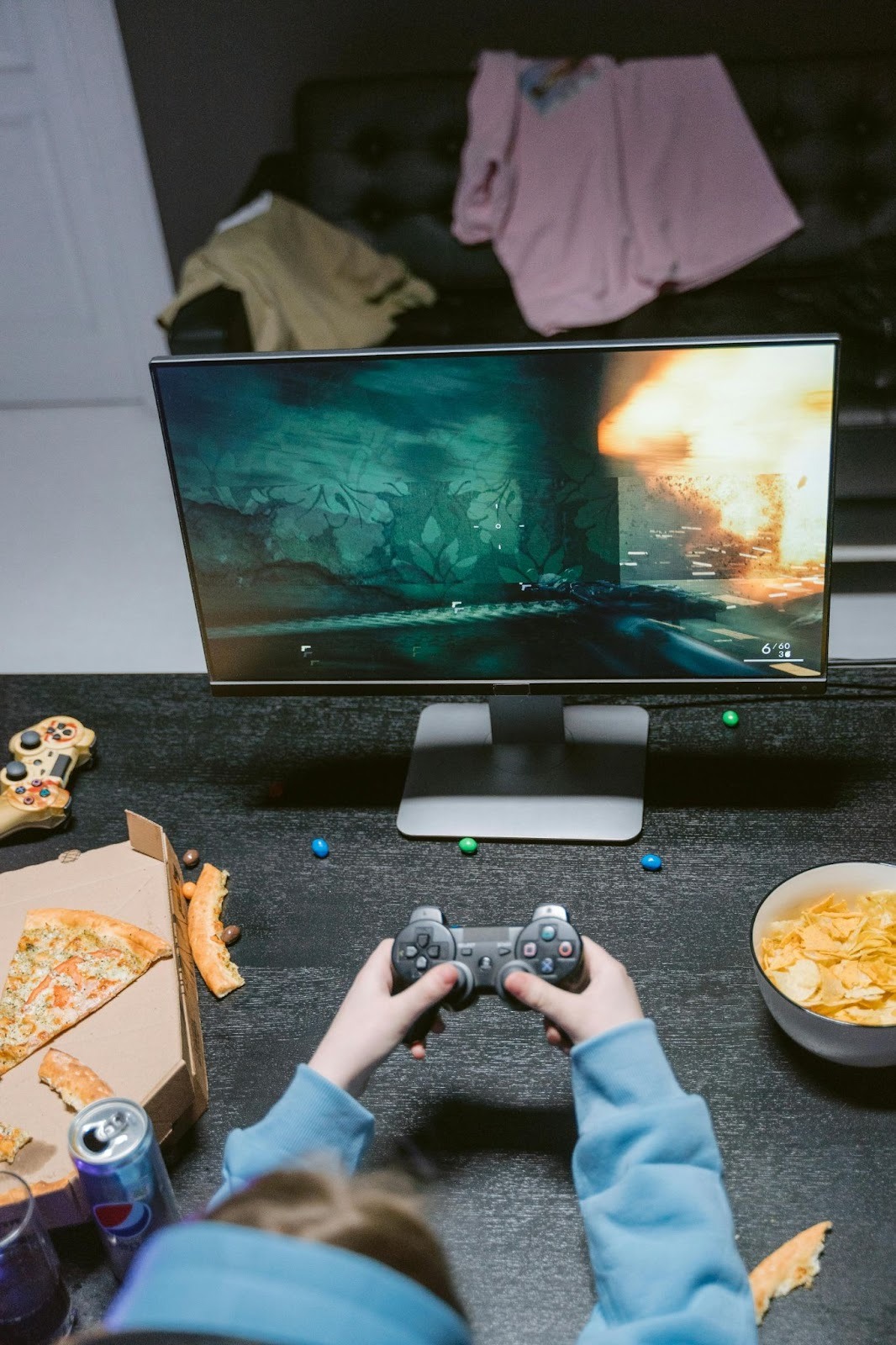
Gaming burnout is real and something many gamers hit at one point or another. That doesn’t mean you don’t enjoy playing, just that at that time it becomes more of a chore than something you’re actively enjoying. And that’s normal in many areas of life. Be it work, socialising in the same way, going to the gym, etc., gaming is no different.
But how do you cure gaming burnout, and what can you do to avoid it or get yourself through slumps where you can feel your enthusiasm for gaming slipping?
Stop Playing Games You’re Not Engaging with
Here’s the thing: you can likely see it in your gameplay; you’re skipping dialogue because you simply don’t care. You’re finishing objectives, but you can’t actually describe what you did to finish them, or you’re just opening and closing menus for no reason and with no further choices being made.
These are all signs that the game you’re playing isn’t holding your interest. And it’s not pacing or a section that’s too slow. It’s you actively disengaging, whether you release it or not.
The thing you need to decide here is if you want to keep playing that game or not. It’s a small decision, but one that can either help or hinder your burnout situation right now. Ask yourself, do you want the game open and to be just going through the motions? Or do you actually and actively want to continue playing?
If you don’t or you’re finding playing tiresome, then close the game and don’t go back into it. It’s that simple. If you’re in a pattern of opening the game and going through the motions out of habit, try not opening the game and see what happens and how you feel. Then open it again in a few days, if you still feel the same, abandon it. If you don’t, then lock in, actively engage, and play the game.
Cut Daily Tasks and Login Systems You Don’t Care About
A lot of the time, is to burnout from gameplay its the other stuff that comes with it.
It’s logging in to clear dailies or collect rewards. It’s ticking off battle objectives or completing timed events. And honestly, it’s highly unlikely any of this is why you started playing in the first place; it just accumulated over time to the point that it feels like a chore and not fun.
And it’s this shift you need to focus on. How do you feel when you log in? If you’re only logging into tick off these daily tasks and then logging off again once they’re done, what would happen if you didn’t?
What if you didn’t check in daily or complete those tasks when you did log in? If you simply moved past them and got right down to business? The thing is, if something doesn’t directly impact your gameplay, then you don’t need to engage with it. You can skip events, you can leave rewards unclaimed, and you can choose not do anything that doesn’t appeal to you.
Try it for a few days to see what happens when you don’t do these small things each day. You never know, you might find it’s the best thing you’ve ever done.
End Sessions Before You Hit the Dropoff Point
If you’re continuing to play once you’ve already gotten bored with things, then you’re simply reinforcing the negative connotations with gaming and pushing forward with your burnout.
If you notice your game play dropping. You’re missing inputs or forgetting objectives, or you’re having to repeat the same section over because you weren’t paying attention. You’ve already gone past this point. That’s the drop off being pushed through, and you need to quit.
You don’t need rigid timers here. Shorter sessions, probably, but you don’t need to say “oh, I’ll give it an hour then switch off” if this doesn’t work for you. But you do need to pay attention to the moment things change, when you become less enthusiastic about what you’re doing or your performance starts slipping. These are your signs to let things go and log off.
This will change how the game sits in your head. You won’t remember the parts when things went wrong, as you’re cutting them short; you’re not tiring your brain out with a poor session. You’re ending it so you can go back to it with fresh eyes whenever the time is right.
Use Low Commitment Games to Reset Your Focus
If your attention isn’t holding to your normal full session, then you need games that you can play that don’t need your full attention in the same way.
You need something you can pick up and drop off, but still tests your brain to keep your cognitive abilities fresh and moving forward.
Think short sessions, no long-term progressions, but playing a game in the moment for the sake of it. Think of fun apps you can play on your phone that don’t really matter if you only play once and never come back to. You can choose online or offline games like crosswords, 24/7 solitaire, sudoku, mahjong, etc. They can be physical card games, board games, or you can dive into the online version instead it doesn’t matter. All that matters is they kill a bit of time without needing to be actively involved in collecting daily rewards orl logging process to get to the end point. They simply get played and then left.
Step Away From Competitive Mode
If you’re constantly pushing to win, if you’re needing to climb the leaderboards, then it’s going to take its toll pretty fast.
You stop playing to experience the game, and you start playing to perform. And this type of game play when you’re playing for rankings, status, stats, etc., is exhausting, and the pressure can push you into burnout faster than you might realise.
If you’ve noticed you’ve slipped into playing only to not because you enjoy it, then you need to remove yourself from that environment. That doesn’t mean not playing the game completely. But switching to a non-competitor mode. Play unranked, switch modes, or move to something with no performance tracking at all.
Once you remove the pressure, you can rediscover the love of the game.



How to Recover Lost Game Files from an External Drive on Mac

Mystery Anime You’ll Regret Starting at Midnight | Part 2

ARC Raiders Frozen Trail Guide: How to Board and Clear the Frigate

Rockstar Games Integrates Advanced Ray Tracing for GTA VI

How to Update Outdated Graphics Drivers for Better Gaming Performance and Higher FPS

The Most Popular Car Game Isn’t Where Players Stay Longest

Canada’s Gaming Audience Is Bigger Than the Old Stereotype

Mystery Anime You’ll Regret Starting at Midnight | Part 1

Anime You’ll Be Glad You Added to Your Fall Watchlist (Part 2) 🍂

WoW Forever Leveling: What Is New on the Road from 1 to 60

MM2 weapon rarity tiers explained for traders

Blox Fruits Physical vs Permanent Fruits: What’s the Difference?

What to Check Before Buying FC 27 Coins Online

Pokémon Announces New Movie With a New Hero and Mimikyu

Double-Sentinel Defensive Holds Disrupt Fast Valorant Site Executes
Canada’s Gaming Audience Is Bigger Than the Old Stereotype
-
 Anime3 weeks ago
Anime You’ll Be Glad You Added to Your Fall Watchlist (Part 2) 🍂
-
 Features3 weeks ago
WoW Forever Leveling: What Is New on the Road from 1 to 60
-
 Esports3 weeks ago
MM2 weapon rarity tiers explained for traders
-
 Features4 weeks ago
Blox Fruits Physical vs Permanent Fruits: What’s the Difference?
-
 Features4 weeks ago
What to Check Before Buying FC 27 Coins Online
-
 Anime4 weeks ago
Pokémon Announces New Movie With a New Hero and Mimikyu
-
 Esports4 weeks ago
Double-Sentinel Defensive Holds Disrupt Fast Valorant Site Executes
-
 Features2 weeks ago
Canada’s Gaming Audience Is Bigger Than the Old Stereotype
-
 Anime2 weeks ago
Mystery Anime You’ll Regret Starting at Midnight | Part 1
-
 Features3 weeks ago
Why Sports Games Keep Getting Better at Simulating the Real Thing
-

 Features3 weeks ago
8 Underrated PC Games Worth Playing in 2026 (That Aren’t Getting the Attention They Deserve)
-
 Features1 week ago
The Most Popular Car Game Isn’t Where Players Stay Longest