
Culture
How Modern Games Are Designed for Different Types of Players

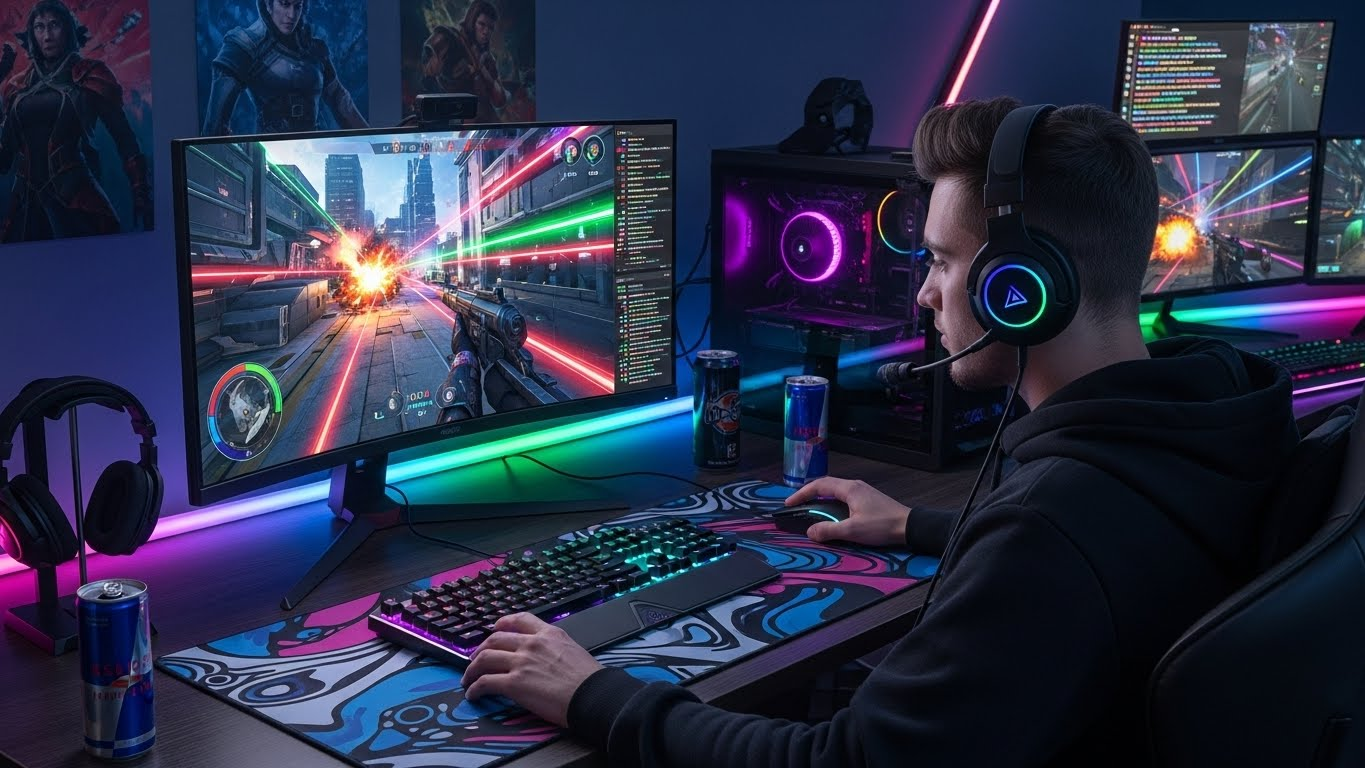
Today, gaming has become a broad field, with something for everyone. Whether for tense competition or relaxed casual play, developers now consider player psychology to foster engagement. This shift allows the industry to serve all types of gamers – those who want to tightly master a game and grow more skilled with complex mechanics as well, as those who just want casual enjoyment.
Understanding Player Archetypes: The Bartle Taxonomy
To understand how games are designed for different people, many developers look to the Bartle Taxonomy of Player Types. Originally conceived for multiplayer environments, these four categories now influence almost every genre:
- Achievers: Driven by concrete measurements of success, such as levels, trophies, and 100% completion rates.
- Explorers: Motivated by the joy of discovery, uncovering hidden lore, or testing the limits of a game’s physics engine.
- Socializers: Players who value the interaction and community aspects, often prioritizing communication over the core gameplay loop.
- Killers: Those who thrive on competition and the ability to influence or dominate other players within the game world.
Carefully combining these elements allows a single game to appeal to multiple types of players. For example, an open-world RPG may feature a rich main storyline for Achievers, expansive maps filled with hidden secrets for Explorers, and strong multiplayer guild systems for Socializers.
Accessibility and Low Entry Barriers
Casual and low-risk gaming has experienced significant growth in the industry over the past few years. The motivation behind this trend is to have entertainment that is frictionless, meaning that one can pick up a game for a five-minute session without going through a steep learning curve and having to spend a lot of money to buy the game.
Accessibility is not only a matter of controls but also a matter of the economic and psychological barriers of entry. This has been perfected by many modern studios by providing tiered experiences. Indicatively, there are developers who specialize in the development of snackable content that has user-friendly interfaces.
You can see how this philosophy is applied in the iGaming sector as well; players often look for the best Pragmatic Play casinos available on this page to find games that utilize “Hold and Spin” or “Megaways” mechanics, which provide clear, engaging feedback without overwhelming the user with complex rules.
Designing for the Low-Risk Player
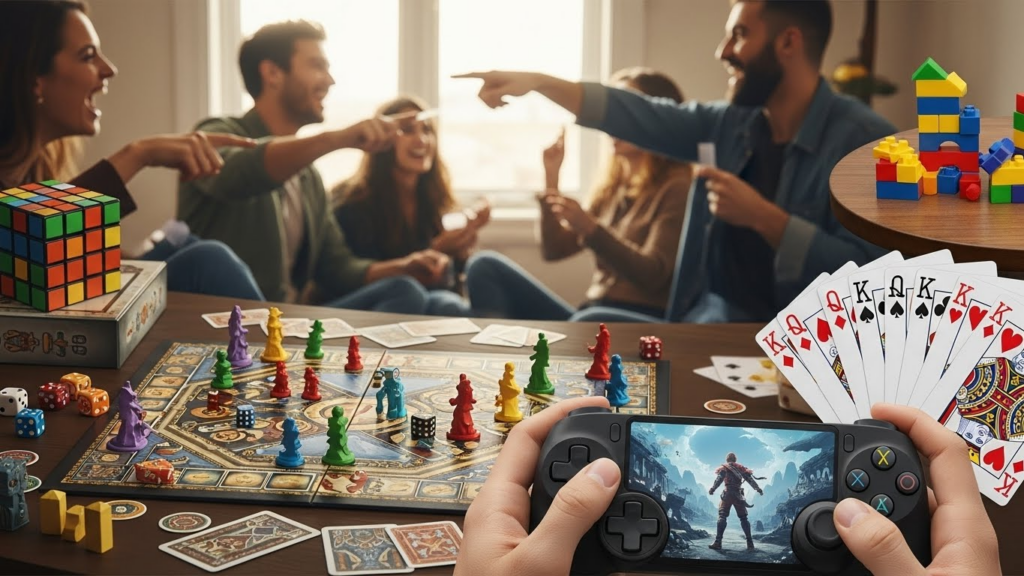
One of the most dramatic changes in contemporary design is the catering to the casual player. These players are not necessarily trying to ‘beat’ the game in the usual sense; they appear to be seeking a safe place to contemplate the psychology of risk and reward without real stakes.
This has led to the rise of “cozy games” like Animal Crossing or Stardew Valley, where the “fail state” is virtually non-existent. In more traditional gaming sectors, this is mirrored by the popularity of low-threshold entry points.
Many users prefer platforms that allow for micro-transactions or minimal commitments, such as $1 deposit casinos with free spins, which mirror the “free-to-play” (F2P) model found in mobile gaming. These systems allow players to sample the full mechanical depth of a game — its graphics, sound design, and bonus features — while maintaining a casual, low-pressure approach.
The Role of Procedural Generation and Dynamic Difficulty
In order to not lose such varied audiences, developers now rely more heavily on Dynamic Difficulty Adjustment (DDA) and Procedural Generation.
- Dynamic Difficulty: Today’s AI can assess your performance as you play. If you’re struggling, the game eases off on you, raising health drop rates or slowing enemy reaction times ever so slightly. It’s still challenging for the “Achiever,” but the “Casual” player won’t get so frustrated they quit.
- Procedural Generation: Levels aren’t hand-designed, but generated, for “Explorers” who want an infinite, unique world. This makes the returning experience fresh for the cautious players who might venture a few times and want to see something new each time.
Visual and Sensory Engagement
Above all, modern game design aesthetics are the biggest factor for what draws different types of players. High-quality graphics and immersive audio are no longer the domain of “hardcore” AAA games. Now, even a bland casual puzzle game has cinematic trailers, orchestrated soundtracks, and high-definition animations.
Producers such as Pragmatic Play have solidified their position as leaders in the industry by honing in on “visual storytelling” even within the confines of their mechanics. Be it the mythical aesthetics of ancient civilizations or fun, colourful worlds, they aim to craft moods that resonate with players. For a low-stakes player, the sensory reward of a perfectly timed animation or a successful visual feedback loop can be as rewarding as gameplay itself.
The Future: Personalized Gaming Experiences
As we head further into the decade, the distinction between player types will continue to be blurred. Through the fusion of Cloud Gaming and AI-driven personalization, we are approaching a stage where a game can reshape itself around the user. For the casual player, that might translate into a more streamlined UI and a couple of session lengths recommended by the system. For the high-end achiever, it could mean access to “prestige” tiers and super-difficult side-objectives. Such a degree of tailorization means that the “buy-in” — be it in time, effort, or money — is always scaled to the comfort zone of the player.
Conclusion
Contemporary game design is really a lesson in inclusion. Abandoning “one-size-fits-all” mechanics and catering to the various motivations of a global player pool, developers have forged a landscape where even the ultra-competitive pro and the low-risk casual player can find a home. The emphasis is no longer on simply winning a game but rather on having an engineered experience designed with the player’s time, resources, and skill level in mind.



How to Recover Lost Game Files from an External Drive on Mac

Mystery Anime You’ll Regret Starting at Midnight | Part 2

ARC Raiders Frozen Trail Guide: How to Board and Clear the Frigate

Rockstar Games Integrates Advanced Ray Tracing for GTA VI

How to Update Outdated Graphics Drivers for Better Gaming Performance and Higher FPS

The Most Popular Car Game Isn’t Where Players Stay Longest

Canada’s Gaming Audience Is Bigger Than the Old Stereotype

Mystery Anime You’ll Regret Starting at Midnight | Part 1

Anime You’ll Be Glad You Added to Your Fall Watchlist (Part 2) 🍂

WoW Forever Leveling: What Is New on the Road from 1 to 60

MM2 weapon rarity tiers explained for traders

Blox Fruits Physical vs Permanent Fruits: What’s the Difference?

What to Check Before Buying FC 27 Coins Online

Can You Stream Kick on Xbox: Complete Guide for Xbox Users

Pokémon Announces New Movie With a New Hero and Mimikyu

Double-Sentinel Defensive Holds Disrupt Fast Valorant Site Executes
-
 Anime3 weeks ago
Anime You’ll Be Glad You Added to Your Fall Watchlist (Part 2) 🍂
-
 Features2 weeks ago
WoW Forever Leveling: What Is New on the Road from 1 to 60
-
 Esports3 weeks ago
MM2 weapon rarity tiers explained for traders
-
 Features4 weeks ago
Blox Fruits Physical vs Permanent Fruits: What’s the Difference?
-
 Features4 weeks ago
What to Check Before Buying FC 27 Coins Online
-
 Social Media4 weeks ago
Can You Stream Kick on Xbox: Complete Guide for Xbox Users
-
 Anime4 weeks ago
Pokémon Announces New Movie With a New Hero and Mimikyu
-
 Esports4 weeks ago
Double-Sentinel Defensive Holds Disrupt Fast Valorant Site Executes
-
 Features2 weeks ago
Canada’s Gaming Audience Is Bigger Than the Old Stereotype
-
 Anime2 weeks ago
Mystery Anime You’ll Regret Starting at Midnight | Part 1
-
 Features1 week ago
The Most Popular Car Game Isn’t Where Players Stay Longest
-
 Features3 weeks ago
Why Sports Games Keep Getting Better at Simulating the Real Thing