
Esports
Buying and Selling CS2 Cases on Third-Party Platforms: What to Consider

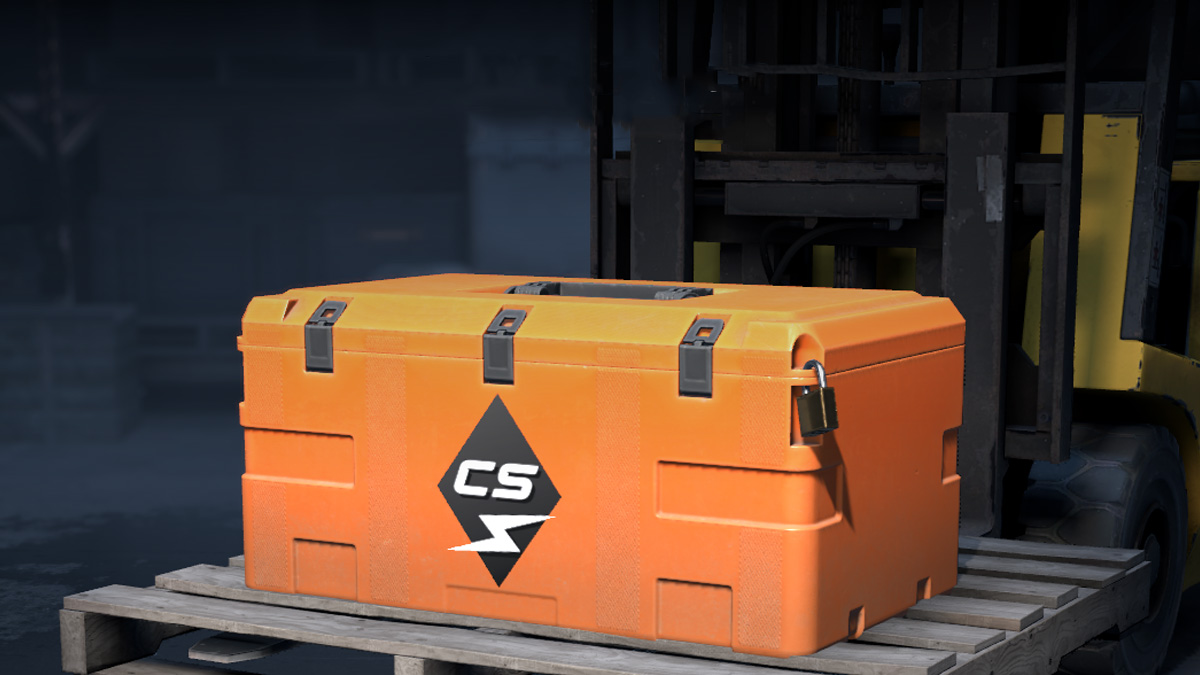
The CS2 case market has become a distinct part of the digital economy, where users not only open items but also earn from trading them. Today, cs2 cases trade pirateswap.com is a practical tool for working with assets, requiring a clear understanding of platforms, risks, and deal logic.
How the CS2 Case Market Works and Its Limitations
CS2 cases are consumable in-game items that can be bought, sold, and held in anticipation of price growth. Their value is driven by player demand, rarity, and limited supply. Some cases eventually drop out of circulation, which increases their price over time.
The primary market within Steam is limited because funds cannot be withdrawn directly. This makes it convenient for internal trading but unsuitable for generating real income. As a result, users turn to third-party platforms where withdrawals and more flexible trading conditions are available.
As a result, the case market is divided into two segments: the internal Steam market and external platforms, where full financial activity takes place.
Why CS2 Cases Have Value and Demand
Demand for CS2 cases is directly linked to the opening mechanic. Players purchase them in hopes of obtaining rare and valuable skins, which maintains consistent interest.
In addition, cases are used as an investment tool. Some items increase in value due to limited supply, making them attractive for long-term holding.
Steam Limitations and Why Users Move to Third-Party Platforms
Steam does not allow cash withdrawals and also applies fees and transaction restrictions. This makes it inefficient for users who want to treat cases as financial assets.
Third-party platforms solve this issue by offering real-money payouts and faster transactions. This is why they have become the primary choice for active traders.
Where CS2 Cases Are Traded on Third-Party Platforms and How to Choose the Right Service
Trading cases outside Steam takes place on various types of platforms, each with its own characteristics: specialized case-selling websites, trade platforms with automated transactions, and P2P services with direct user-to-user deals.
The choice of platform depends on user priorities: speed, convenience, or maximizing profit.
Main Types of Platforms for Case Trading
Marketplaces offer fast transactions and fixed pricing but often include fees. Trade platforms automate exchanges and simplify handling large volumes.
P2P platforms can provide better pricing, but they require careful verification of the counterparty.
What to Look for When Choosing a Service
Key criteria include platform reputation, fee structure, and transaction speed. It is also important to consider interface usability and customer support quality.
Reliable platforms are characterized by transparent terms and stable performance, which reduces the risk of losses.
How to Buy and Sell Cases Profitably
To trade successfully, it is not enough to simply buy and sell cases—you need to understand their market behavior. Prices fluctuate depending on updates, player interest, and overall market conditions.
Users should evaluate not only the current price but also the growth potential. This approach allows for better decision-making and reduces the likelihood of losses.
How to Evaluate Case Price and Potential
The price of a case is determined by demand, rarity, and market trends. It is important to consider how actively the case is traded and whether there is a consistent upward trend.
Cases with steady demand tend to be more liquid, making them easier to sell. At the same time, rare cases may offer higher returns when held over a longer period.
When It Is Best to Buy and Sell Cases
The best time to buy is often during periods of reduced demand or after new updates, when prices may temporarily decline.
Selling is generally more profitable during periods of increased demand, such as heightened player activity or the release of new collections.
Risks When Working with CS2 Cases and How to Avoid Them
Working with cases involves certain risks, especially when using third-party platforms. The main threats include scams, user mistakes, and technical issues.
Understanding these risks helps prevent losses and makes the process safer.
Common Scam Schemes and Loss of Funds
The most common schemes include fake websites that imitate popular platforms, manipulated trades, and phishing links.
Users may lose access to their accounts or transfer items to scammers if they do not verify the source and transaction details carefully.
How to Protect Your Account and Transactions
For better security, it is important to use two-factor authentication and verify the website address before logging in. It is also advisable to avoid suspicious offers and deals that seem too good to be true.
Careful attention to detail and a cautious approach significantly reduce the likelihood of losses.
Conclusion: How to Work with CS2 Cases Safely and Profitably
Working with CS2 cases requires a solid understanding of the market, choosing the right platform, and assessing risks. It is not just a gaming activity but a process with real financial implications.
A well-informed approach allows users not only to avoid mistakes but also to use the case market as a practical tool for generating profit.



How to Recover Lost Game Files from an External Drive on Mac

Mystery Anime You’ll Regret Starting at Midnight | Part 2

ARC Raiders Frozen Trail Guide: How to Board and Clear the Frigate

Rockstar Games Integrates Advanced Ray Tracing for GTA VI

How to Update Outdated Graphics Drivers for Better Gaming Performance and Higher FPS

The Most Popular Car Game Isn’t Where Players Stay Longest

Canada’s Gaming Audience Is Bigger Than the Old Stereotype

Mystery Anime You’ll Regret Starting at Midnight | Part 1

Anime You’ll Be Glad You Added to Your Fall Watchlist (Part 2) 🍂

WoW Forever Leveling: What Is New on the Road from 1 to 60

MM2 weapon rarity tiers explained for traders

Blox Fruits Physical vs Permanent Fruits: What’s the Difference?

What to Check Before Buying FC 27 Coins Online

Can You Stream Kick on Xbox: Complete Guide for Xbox Users

Pokémon Announces New Movie With a New Hero and Mimikyu

Double-Sentinel Defensive Holds Disrupt Fast Valorant Site Executes
-
 Anime3 weeks ago
Anime You’ll Be Glad You Added to Your Fall Watchlist (Part 2) 🍂
-
 Features2 weeks ago
WoW Forever Leveling: What Is New on the Road from 1 to 60
-
 Esports3 weeks ago
MM2 weapon rarity tiers explained for traders
-
 Features4 weeks ago
Blox Fruits Physical vs Permanent Fruits: What’s the Difference?
-
 Features4 weeks ago
What to Check Before Buying FC 27 Coins Online
-
 Social Media4 weeks ago
Can You Stream Kick on Xbox: Complete Guide for Xbox Users
-
 Anime4 weeks ago
Pokémon Announces New Movie With a New Hero and Mimikyu
-
 Esports4 weeks ago
Double-Sentinel Defensive Holds Disrupt Fast Valorant Site Executes
-
 Features2 weeks ago
Canada’s Gaming Audience Is Bigger Than the Old Stereotype
-
 Anime2 weeks ago
Mystery Anime You’ll Regret Starting at Midnight | Part 1
-

 Features2 weeks ago
8 Underrated PC Games Worth Playing in 2026 (That Aren’t Getting the Attention They Deserve)
-
 Features1 week ago
The Most Popular Car Game Isn’t Where Players Stay Longest