
Game Reviews
Spiritfarer: Indie Magic To Make You Cry
Spiritfarer is an easy-breezy comfort blanket with gratifying gameplay loops, addictive micro-management, and tear-jerking character arcs.

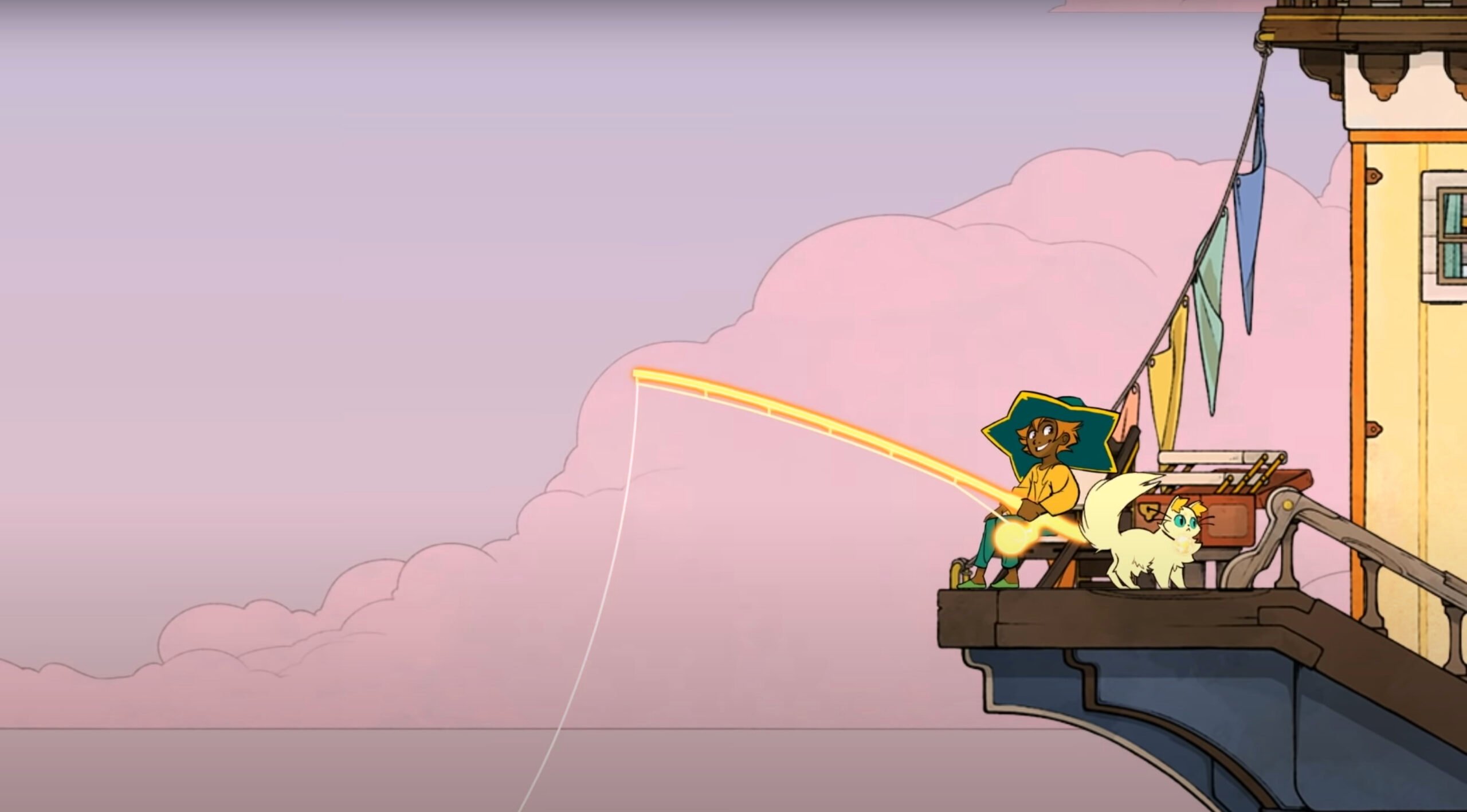
Spiritfarer Review
Developer: Thunder Lotus Games | Publisher: Thunder Lotus Games | Genre: Management simulation, action platformer | Platforms: Windows, macOS, Linux, PlayStation 4, Nintendo Switch, Xbox One, Stadia | Reviewed On: Nintendo Switch
Spiritfarer is the gem 2020 needs. As Stella, the new Spiritfarer, players traverse a mystical ocean, befriending spirits and helping them depart to the beyond. It’s an easy-breezy comfort blanket with gratifying gameplay loops, addictive micro-management, and tear-jerking character arcs.
But with a slow pace, and bold design choices, does the magic of Thunder Lotus Games’ indie hit wane before the curtain call?
That’s the Spirit
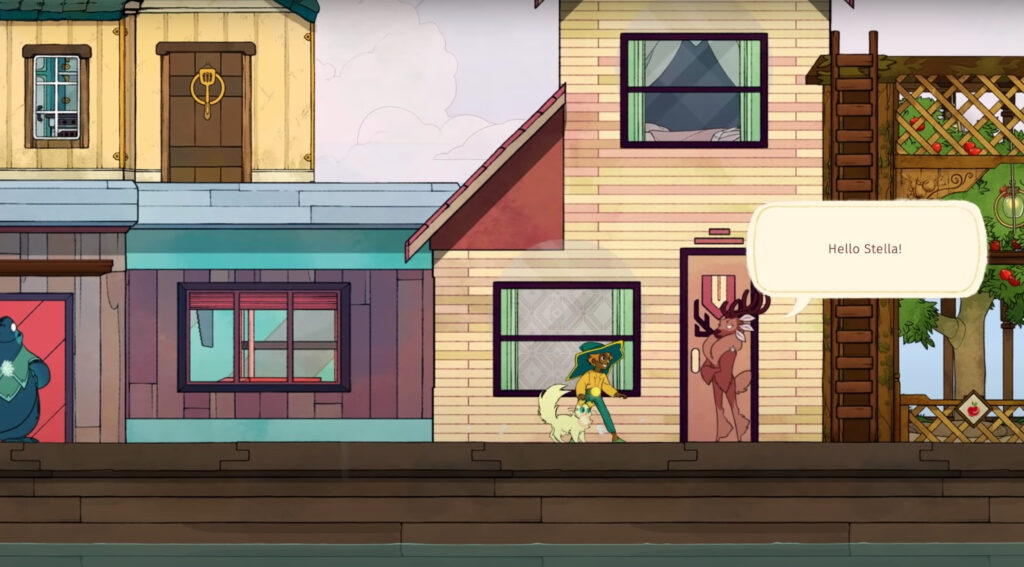
Spiritfarer is an exercise in exploration, gathering, and crafting. But it sidesteps the tedium this could bring by linking players’ progress to a mechanic packed with physicality: upgrading Stella’s ship. Constructing kitchens, gardens, sawmills, and more brings a laundry list of perks, along with aesthetic and physical progress. Best of all, organizing the layout of said ship in a Tetris-like tidy-up is creatively satisfying and grippingly time sink-y.
With not a baddie in sight, comparisons to Animal Crossing: New Horizons are obvious. Spiritfarer champions peace, tranquility, and helping others. And like The Legend of Zelda: Breath of the Wild, soft piano twinkles and atmospheric flourishes soundtrack Stella’s journey.
Spiritfarer’s gentle heartbeats the most in the stories tied to the spirits joining Stella. Players grow fond of the animal oddballs on their ship, and in time, learn their tragic stories. Eventually, Stella must escort each and every spirit through the Everdoor, bidding them farewell as they accept their passing and move on. Not every spirit has equal emotional heft, but Alice’s story and departure in particular hits hard. From Bruce and Mickey’s brotherly bond, to Stanley’s childishly endearing enthusiasm, Spiritfarer serves up a buffet of charismatic characters to drive its themes of love and loss.

Emotion in the Ocean
Whilst many spirits are top-notch, highlights (like the gleeful gluttonous Atul, and the aforementioned Stanley) will leave midway through Spiritfarer’s story, making the conclusive chapters feel lonesomely lackluster by comparison. In the end, Spiritfarer’s farewells substitute heart-wrenching memorability with desensitized “Time to muscle through this bit so I can move on.” This dampens Spiritfarer’s lasting impressions. Perhaps the quality of spirit distribution could have been paced better.
Furthermore, some stories lean on cryptic vagueness, requiring an internet search to fill in the blanks. Said blanks are doubtless sad, but it’s odd that outstanding character tidbits are often limited to one, easily missable line of dialogue.
But by and large, Spiritfarer’s unshakeable blemish is its abundance of bugs. These include graphical glitches, spirits falling through the deck of Stella’s ship, and the software unexpectedly closing due to an error (this happened to me five times, sometimes resulting in significant loss of progress). Spiritfarer feels like an actual magic trick: amazing, but only ever a single stumble from failure.

As an honourable mention, Spiritfarer earns bonus points for embracing the growing movement of progressiveness in gaming (doubtless to the hilarious disdain of discriminatory troglodytes). Stella has a loveable presence (despite being a silent protagonist) and is a female of color. Then there’s Summer, a lovely spirit who’s both gay and vegan. She’s all about boobies and lettuce, so ya girl’s got good taste! Seeing positive representation for people of color, LGBTQ+ people, and vegans is a breath of fresh air in an industry that for too long has pandered to the straight white male default. I’m overjoyed to see an art form I cherish so dearly growing and maturing with the times.
Spiritfarer is a charming marvel that stands as one of 2020’s best games (and my personal favorite). It falters in its pace and polish but soars in its originality, emotional depth, and every other quality imaginable. It’s difficult to put into words how special it is, but consider this review a hearty recommendation to anyone with a penchant for good fun, good feelings, and hecka good games.
(Disclaimer from the author: Vegan representation isn’t for vegans, as they aren’t marginalised like people of color or LGBTQ+ people, and they don’t face the struggles that people of color or LGBTQ+ people face. Rather, it’s to promote abstinence from animal products, thus normalising a lifestyle that helps the marginalised group veganism speaks for: animals. My mentioning of vegans alongside people of color and LGBTQ+ people is not equating anti-veganism to racism, homophobia, or transphobia.)




ARC Raiders Frozen Trail Guide: How to Board and Clear the Frigate

Rockstar Games Integrates Advanced Ray Tracing for GTA VI

How to Update Outdated Graphics Drivers for Better Gaming Performance and Higher FPS

The Most Popular Car Game Isn’t Where Players Stay Longest

Canada’s Gaming Audience Is Bigger Than the Old Stereotype

Mystery Anime You’ll Regret Starting at Midnight | Part 1

From Consoles to Phones: How Canadian Gaming Became an Anytime Experience

8 Underrated PC Games Worth Playing in 2026 (That Aren’t Getting the Attention They Deserve)

Anime You’ll Be Glad You Added to Your Fall Watchlist (Part 2) 🍂

WoW Forever Leveling: What Is New on the Road from 1 to 60

Why Game Clips Stall on Instagram Reels

MM2 weapon rarity tiers explained for traders

One Piece Is Everywhere Right Now – and It’s Exposing a Problem With How Gaming Teaches Players to Gamble

Blox Fruits Physical vs Permanent Fruits: What’s the Difference?

What to Check Before Buying FC 27 Coins Online

Can You Stream Kick on Xbox: Complete Guide for Xbox Users
-
 Anime2 weeks ago
Anime You’ll Be Glad You Added to Your Fall Watchlist (Part 2) 🍂
-
 Features2 weeks ago
WoW Forever Leveling: What Is New on the Road from 1 to 60
-
 Social Media4 weeks ago
Why Game Clips Stall on Instagram Reels
-
 Esports2 weeks ago
MM2 weapon rarity tiers explained for traders
-
 Features4 weeks ago
One Piece Is Everywhere Right Now – and It’s Exposing a Problem With How Gaming Teaches Players to Gamble
-
 Features4 weeks ago
Blox Fruits Physical vs Permanent Fruits: What’s the Difference?
-
 Features4 weeks ago
What to Check Before Buying FC 27 Coins Online
-
 Social Media4 weeks ago
Can You Stream Kick on Xbox: Complete Guide for Xbox Users
-

 Features4 weeks ago
Why Side Activities Make Open Worlds Feel More Alive
-
 Anime4 weeks ago
Pokémon Announces New Movie With a New Hero and Mimikyu
-
 Features1 week ago
Canada’s Gaming Audience Is Bigger Than the Old Stereotype
-
 Esports4 weeks ago
Double-Sentinel Defensive Holds Disrupt Fast Valorant Site Executes