
Features
‘Mega Man 9’ and the Revolution that Never Was

In 2008, over a decade after the release of Mega Man 8 for the Sega Saturn and original PlayStation, Capcom made waves in the industry by releasing Mega Man 9, a throwback to the original series that sought to innovate by moving backward. The new game would be in the 8-style of the original series, would use a similar formula and even a comparable soundtrack. Mega Man 9 shared its core DNA with the other games in the series to a degree never before seen, and that we have never really seen since.

Mega Man 9 was released nearly a decade ago, to a very different playing field. The industry in late 2008 the industry was a different place. The Xbox 360 and PlayStation 3 fans were happily playing massive triple-A games like Fallout 3, Grand Theft Auto IV and Dead Space. Wii fans had the newly released Super Smash Bros. Brawl and Mario Kart Wii. We were nearing the end of the plastic instrument rhythm game area and the Saints Row series still took itself pretty seriously. What none of us truly realized was that we were on the edge of what was to become the indie game boom, which is still going strong today.
Indie games had yet to reach the mass-market appeal that they enjoy today. The concept of downloading any game was still foreign to many, but the idea that we would be downloading smaller, unconventional titles at reduced prices was an unproven concept. Today the indie market is saturated with 2D platforming throwbacks that pay homage to the greats of yesteryear. At the time, however, there was a void in the industry left by the full shift to 3D on every front. Mega Man 9 filled that void by offering not only nostalgia but by showing that 2D platforming is not simply a product of hardware limitations but a genre onto itself.
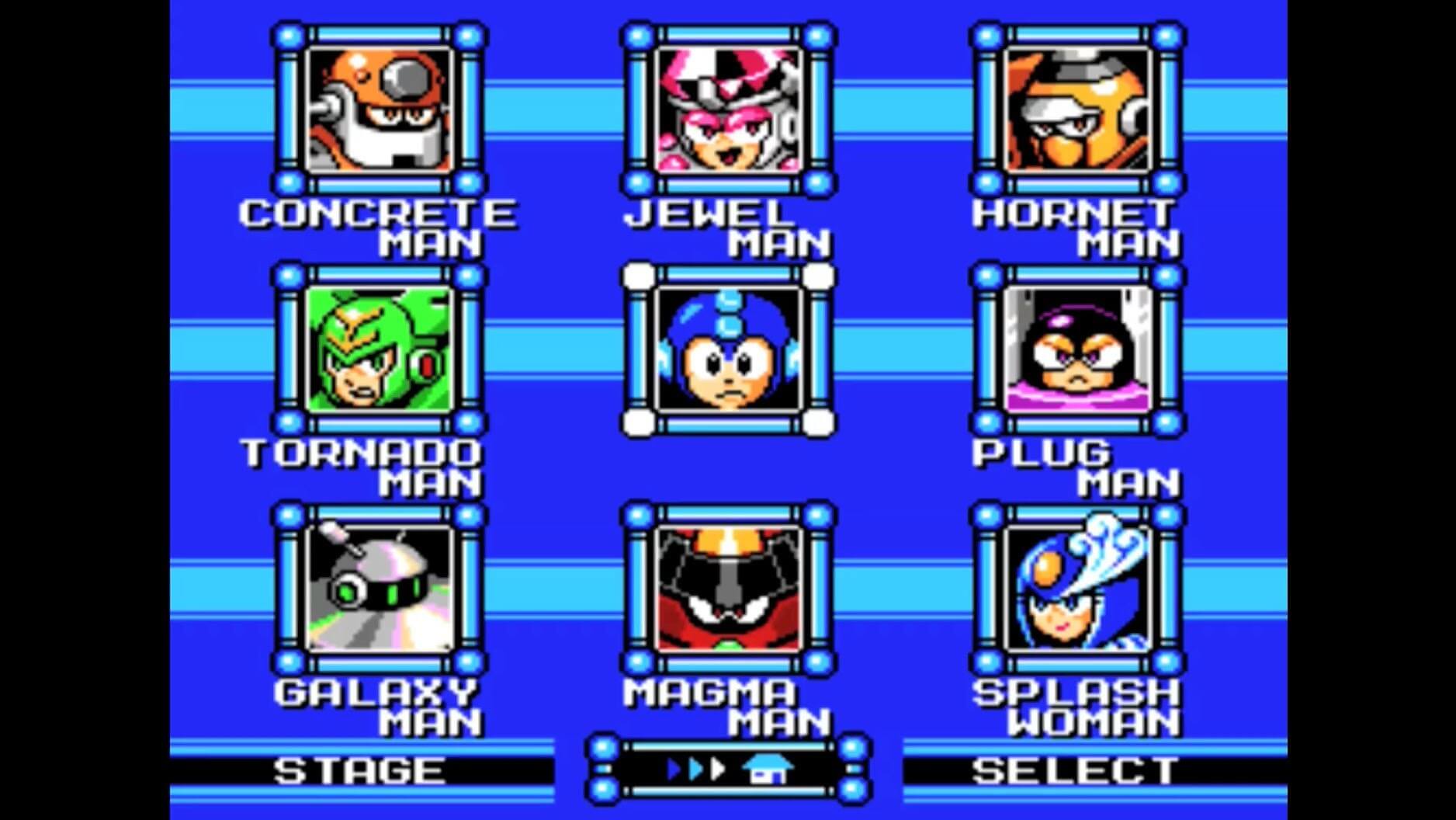
At the time, many hoped that Capcom’s bold move would inspire others in the industry to make similar throwbacks. Why not an 8-bit, Mario or Metroid? Capcom could round out its line-up with an 8-bit Castlevania sequel or a new Ghosts ‘n Goblins. While Sega did hop on board with Sonic 4 and is trying its hand at the throwback again this year with Sonic Mania, the shakeup never came from major players in the industry.
Capcom’s move was ahead of its time. Now, with creators like Koji Igarashi, creator of Castlevania, returning to the roots of the franchises they started with or without licenses, perhaps there is hope for the old guard to return to what they did best.
(Even after the disaster that was Mighty Number 9.)




Table and Mini Games In Grand Theft Auto 6 – What Can We Expect?

How to Recover Lost Game Files from an External Drive on Mac

Mystery Anime You’ll Regret Starting at Midnight | Part 2

ARC Raiders Frozen Trail Guide: How to Board and Clear the Frigate

Rockstar Games Integrates Advanced Ray Tracing for GTA VI

How to Update Outdated Graphics Drivers for Better Gaming Performance and Higher FPS

The Most Popular Car Game Isn’t Where Players Stay Longest

Canada’s Gaming Audience Is Bigger Than the Old Stereotype

Anime You’ll Be Glad You Added to Your Fall Watchlist (Part 2) 🍂

WoW Forever Leveling: What Is New on the Road from 1 to 60

MM2 weapon rarity tiers explained for traders
Canada’s Gaming Audience Is Bigger Than the Old Stereotype

Why Sports Games Keep Getting Better at Simulating the Real Thing

Mystery Anime You’ll Regret Starting at Midnight | Part 1
The Most Popular Car Game Isn’t Where Players Stay Longest

8 Underrated PC Games Worth Playing in 2026 (That Aren’t Getting the Attention They Deserve)
-
 Anime3 weeks ago
Anime You’ll Be Glad You Added to Your Fall Watchlist (Part 2) 🍂
-
 Features3 weeks ago
WoW Forever Leveling: What Is New on the Road from 1 to 60
-
 Esports3 weeks ago
MM2 weapon rarity tiers explained for traders
-
 Features2 weeks ago
Canada’s Gaming Audience Is Bigger Than the Old Stereotype
-
 Features3 weeks ago
Why Sports Games Keep Getting Better at Simulating the Real Thing
-
 Anime2 weeks ago
Mystery Anime You’ll Regret Starting at Midnight | Part 1
-
 Features2 weeks ago
The Most Popular Car Game Isn’t Where Players Stay Longest
-
 Features3 weeks ago
8 Underrated PC Games Worth Playing in 2026 (That Aren’t Getting the Attention They Deserve)
-

 Features3 weeks ago
From Consoles to Phones: How Canadian Gaming Became an Anytime Experience
-
 Gaming News1 week ago
Rockstar Games Integrates Advanced Ray Tracing for GTA VI
-
 Features6 days ago
ARC Raiders Frozen Trail Guide: How to Board and Clear the Frigate
-
 Guides4 weeks ago
Minecraft All Biomes Seeds for Players Who Love Exploring