
Features
Ludonarrative Dissonance: How Gameplay Interferes with Story

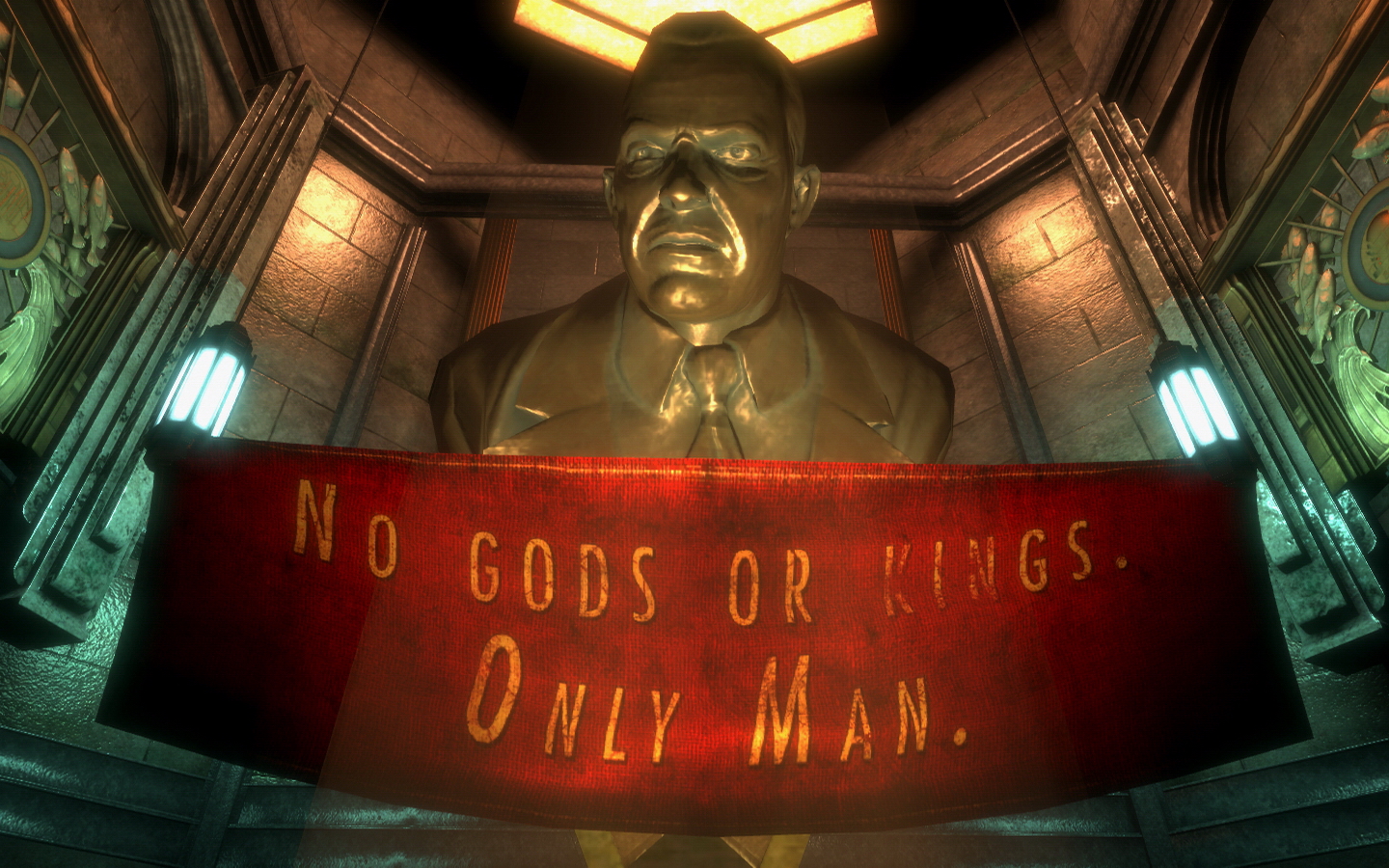
Gameplay is easily one of the most important parts of a game, but what if gameplay could be a hindrance to a game’s plot? Despite a game having impressive and fluid gameplay, what if the themes of a game’s story conflicted with the core gameplay? This issue within video game storytelling received a name from creative director Clint Hocking on his blog in 2007, “ludonarrative dissonance”. The term was his response to what he said were contrasting themes in Bioshock, stating that the game had a narrative that supported selflessness, despite the gameplay promoting selfishness.
 This term has since been applied to other games, a prime example being the Uncharted series. In Uncharted, main character Nathan Drake is presented as the lovable everyman treasure hunter, who also kills everyone in his way without hesitation. The Nathan Drake seen during cutscenes isn’t the same one experienced during gameplay, creating a sense of ludonarrative dissonance. Many have weighed in on this issue in the Uncharted series, including creative director of Naughty Dog, Neil Druckmann. Druckmann came up with a trophy for Uncharted 4 titled “Ludonarrative Dissonance” that is given after killing 1,000 enemies. Druckmann talked about the trophy and ludonarrative dissonance itself stating “This is my proudest moment, the fact that I came up with this trophy on the project. We were conscious to have fewer fights, but it came more from a desire to have a different kind of pacing than to answer the ludonarrative dissonance argument. Because we don’t buy into it.”.

A few upcoming games such as Watch Dogs 2 or Deus Ex: Mankind Divided are offering solutions to this contradiction where a video game protagonist is a mass murderer in-game and then an even-headed good guy in a cutscene. These games are offering non-lethal ways to complete objectives, instead of turning every mission into the usual massacre. Non-lethal ways to complete missions for Deus Ex is nothing new, but it’s interesting to see a newer game series like Watch Dogs go this route as well. Even though non-lethal playthroughs are becoming more common, ludonarrative dissonance is probably something that will always have to be dealt with in games to an extent. With combat being at the core of many games and with demand for longer games, by the end of a playthrough a player will have most likely killed a large amount of people.
While some games feature protagonists who are the same in cutscenes and during gameplay, most of these gaming mass murderers are presented as likable people. This discrepancy may be annoying to some gamers, but if gaming is supposed to be a form of escapism, how realistic and down to earth does it truly need to be until people are happy? One of the best parts of playing a video game is that it isn’t bogged down by reason, and in the place of reason, enjoyment is the main priority. It’s difficult to have a compelling plot while having strong gameplay, and if a little ludonarrative dissonance is what helps us get both, I’ll take it.




6 Gaming Platforms That Push Originality to the Forefront

Why Gamers Love Predicting What Happens Next

This Unexpected Frieren x MapleStory Crossover Looks Too Perfect

Why Have Animal Characters Taken Over Every Corner Of Gaming?

How Much Does Player Housing Really Cost in WoW Midnight?

The shared design language of video games and interactive digital entertainment

Why Game Culture Needs More Specialist Commentary

From Loot Boxes to Live Experiences: How AI Is Blurring the Line Between Video Games and Interactive Entertainment

How Online Gaming Communities Have Evolved Over the Years

The Top 10 Highest-Rated Anime of All Time Just Changed, Did Your Favorite Make the Cut?

When Chance Became a Game Mechanic Instead of a Technical Limitation
The Growing Appeal of Games That Challenge the Mind

Luck and Strategy Across Modern Game Genres

How to Trade in MM2: Fair Trades and No Scams

What Classic Games Still Teach Modern Developers About Creativity

Frieren: Beyond Journey’s End Creator Recommends the Next Hit Action Fantasy Series
-
 Features3 weeks ago
How Online Gaming Communities Have Evolved Over the Years
-
 Anime3 weeks ago
The Top 10 Highest-Rated Anime of All Time Just Changed, Did Your Favorite Make the Cut?
-
 Features4 weeks ago
When Chance Became a Game Mechanic Instead of a Technical Limitation
-
Features3 weeks ago
The Growing Appeal of Games That Challenge the Mind
-
 Features4 weeks ago
Luck and Strategy Across Modern Game Genres
-
 Esports4 weeks ago
How to Trade in MM2: Fair Trades and No Scams
-
 Features3 weeks ago
What Classic Games Still Teach Modern Developers About Creativity
-
 Anime2 weeks ago
Frieren: Beyond Journey’s End Creator Recommends the Next Hit Action Fantasy Series
-

 Anime3 weeks ago
Why Are Anime-Inspired Game Podcasts Gaining So Much Attention?
-
 Anime6 days ago
This Unexpected Frieren x MapleStory Crossover Looks Too Perfect
-
 Features2 weeks ago
From Loot Boxes to Live Experiences: How AI Is Blurring the Line Between Video Games and Interactive Entertainment
-
 Features2 weeks ago
Why Game Culture Needs More Specialist Commentary