
Features
From Consoles to Phones: How Canadian Gaming Became an Anytime Experience

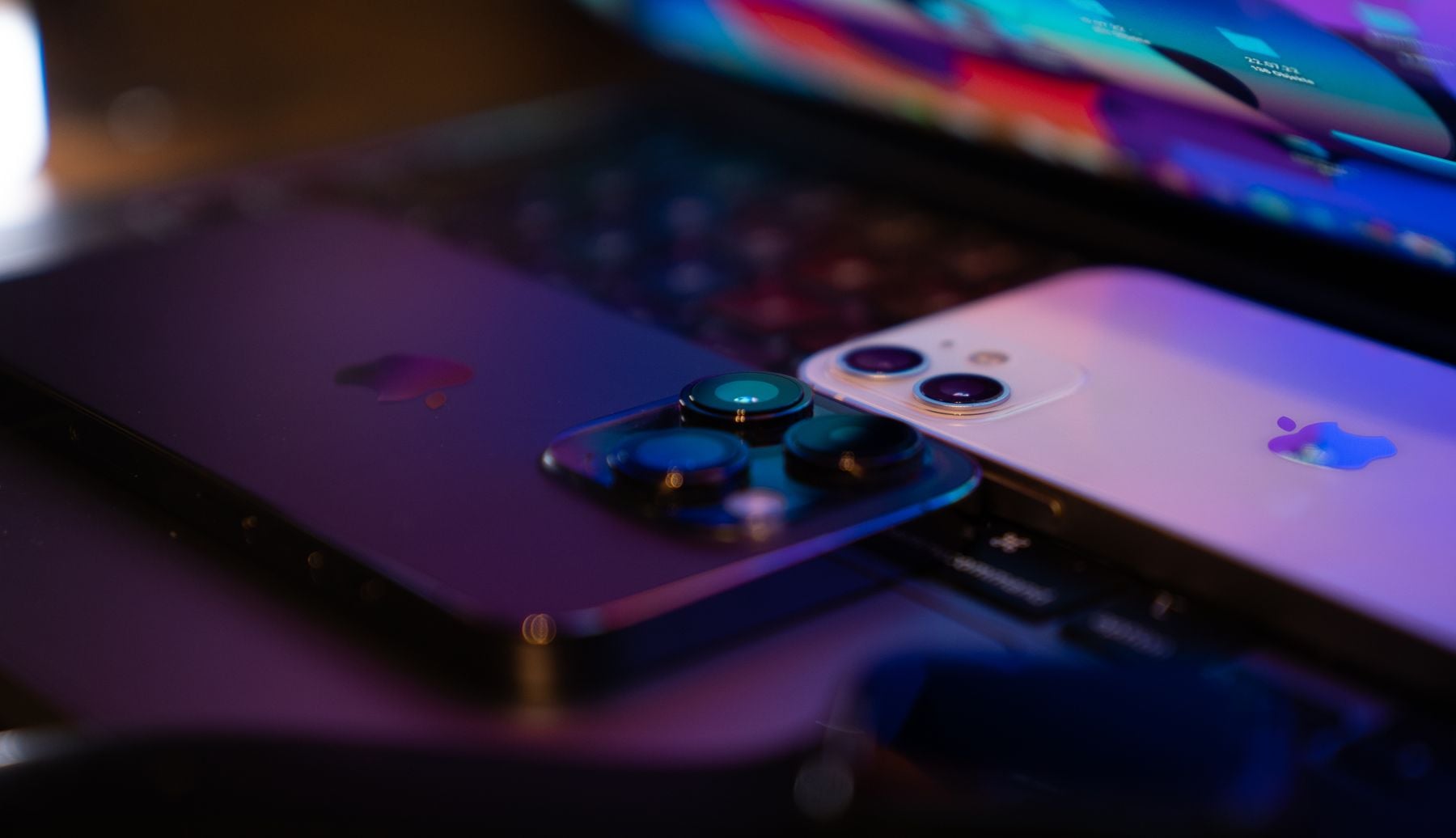
Gaming used to mean being in one place. You sat in front of a TV and picked up a controller. And while gaming still exists in this way, there are also a number of other ways to experience it now too.
Today, gaming can be enjoyed from anywhere. Whether you’re playing on your commute or relaxing at home. Smartphones and online platforms have made gaming less tied to a particular device or schedule.
Phones became a gaming screen
The numbers make the change hard to ignore. Mintel has found that roughly two-thirds of Canadian consumers play mobile games, putting smartphones in mainstream gaming.
A phone also requires less commitment than a traditional gaming setup. Most people already carry one, so there’s no need to turn on a console or sit in front of the TV before starting a game.
Mobile gaming can mean very different things depending on the player. Someone might spend a few minutes on a puzzle game, while another player could spend an hour on a multiplayer title. Established franchises have also made their way onto mobile alongside games designed specifically for smaller screens.
The phone didn’t have to replace the console to change gaming. It only had to make gaming easier to reach.
Quebec’s numbers show the difference
Data from the Institut de la statistique du Québec offers another look at how often people use different gaming devices. Among Quebec video game players, mobile devices are considerably more common for frequent play than consoles.
The figures for daily or almost-daily use stand out. Around 36% of players use a phone or tablet every day or almost every day, compared with 11% who play on a console with the same frequency. In contrast, 45.7% never use a console, while 20.6% never use a mobile device.
That doesn’t mean consoles have become irrelevant. They still offer experiences that are difficult to replicate on a phone, especially for longer sessions and major releases. What the figures suggest is that gaming habits have become less dependent on dedicated hardware. A phone can simply be the easiest option because it’s already there.
Gaming doesn’t always need a dedicated session
There’s a difference between owning a gaming device and having access to games.
A console creates a natural boundary around the activity. You turn it on, choose something to play and spend time doing it. Smartphones remove that boundary. A game can sit alongside messages, social media, video and music on the same device.
Ten minutes might once have been too little time for a worthwhile session. On a phone, it can be enough. A player might complete a level during a coffee break, check in on a multiplayer game while traveling or play a few rounds before bed.
Rather than replacing consoles, mobile gaming gives people more ways to fit games around everyday life.
Online platforms remove more barriers
The same thing is happening online. Digital platforms have removed some of the friction that once came with playing games.
There’s no need to visit a store to buy a physical copy. Updates can arrive automatically, progress can be saved online and multiplayer communities can continue outside the living room. Depending on the game, players can also move between devices without completely starting over.
Cloud technology and cross-platform support push that idea even further. The device becomes less important when the same account, community or game can follow a player across different screens.
The wider ecosystem includes conventional video games alongside other browser and mobile-based gaming experiences. This has also made it easier for players to explore different forms of digital entertainment without needing dedicated hardware. Online casino platforms provide another example of this shift. In Canada, platforms such as Casino.ca give users access to online casino games through connected devices, allowing them to play through a browser rather than relying on a traditional console setup.
This is part of a much bigger shift towards gaming experiences that fit around the devices people already use. As more forms of gaming become accessible through browsers, smartphones and other connected devices, the barrier between wanting to play something and actually accessing it has become much smaller.
Players aren’t choosing one screen
It would be easy to describe this as a simple progression from consoles to phones. Real gaming habits are more complex. Players might switch between them.
A console might be the preferred choice for longer gaming sessions, while a phone makes more sense when there are only a few minutes available. A handheld can sit somewhere between the two.
Players don’t necessarily need to choose one type of gaming. They can simply choose the device that suits the moment.
What anytime gaming really means
The biggest change might have less to do with technology than with time. Gaming no longer has to occupy a clearly defined part of the day. It can fill a gap between other activities or become part of a routine that already exists.
That puts gaming closer to other forms of digital entertainment, where access is expected to be quick and continuous. For Canadian players, the living room and television are still there. They just aren’t the only places where games happen anymore.
Gaming without limits
Consoles are still important. They’re just no longer the only way to play. Phones, handhelds and online platforms let Canadian players switch between screens based on where they are and how much time they have.



How to Recover Lost Game Files from an External Drive on Mac

Mystery Anime You’ll Regret Starting at Midnight | Part 2

ARC Raiders Frozen Trail Guide: How to Board and Clear the Frigate

Rockstar Games Integrates Advanced Ray Tracing for GTA VI

How to Update Outdated Graphics Drivers for Better Gaming Performance and Higher FPS

The Most Popular Car Game Isn’t Where Players Stay Longest

Canada’s Gaming Audience Is Bigger Than the Old Stereotype

Mystery Anime You’ll Regret Starting at Midnight | Part 1

Anime You’ll Be Glad You Added to Your Fall Watchlist (Part 2) 🍂

WoW Forever Leveling: What Is New on the Road from 1 to 60

MM2 weapon rarity tiers explained for traders

Blox Fruits Physical vs Permanent Fruits: What’s the Difference?

What to Check Before Buying FC 27 Coins Online

Can You Stream Kick on Xbox: Complete Guide for Xbox Users

Pokémon Announces New Movie With a New Hero and Mimikyu

Double-Sentinel Defensive Holds Disrupt Fast Valorant Site Executes
-
 Anime3 weeks ago
Anime You’ll Be Glad You Added to Your Fall Watchlist (Part 2) 🍂
-
 Features2 weeks ago
WoW Forever Leveling: What Is New on the Road from 1 to 60
-
 Esports3 weeks ago
MM2 weapon rarity tiers explained for traders
-
 Features4 weeks ago
Blox Fruits Physical vs Permanent Fruits: What’s the Difference?
-
 Features4 weeks ago
What to Check Before Buying FC 27 Coins Online
-
 Social Media4 weeks ago
Can You Stream Kick on Xbox: Complete Guide for Xbox Users
-
 Anime4 weeks ago
Pokémon Announces New Movie With a New Hero and Mimikyu
-
 Esports4 weeks ago
Double-Sentinel Defensive Holds Disrupt Fast Valorant Site Executes
-
 Features2 weeks ago
Canada’s Gaming Audience Is Bigger Than the Old Stereotype
-
 Anime2 weeks ago
Mystery Anime You’ll Regret Starting at Midnight | Part 1
-
 Features1 week ago
The Most Popular Car Game Isn’t Where Players Stay Longest
-
 Features3 weeks ago
Why Sports Games Keep Getting Better at Simulating the Real Thing