
Technology
The New Tech Helping Shape the Gaming World

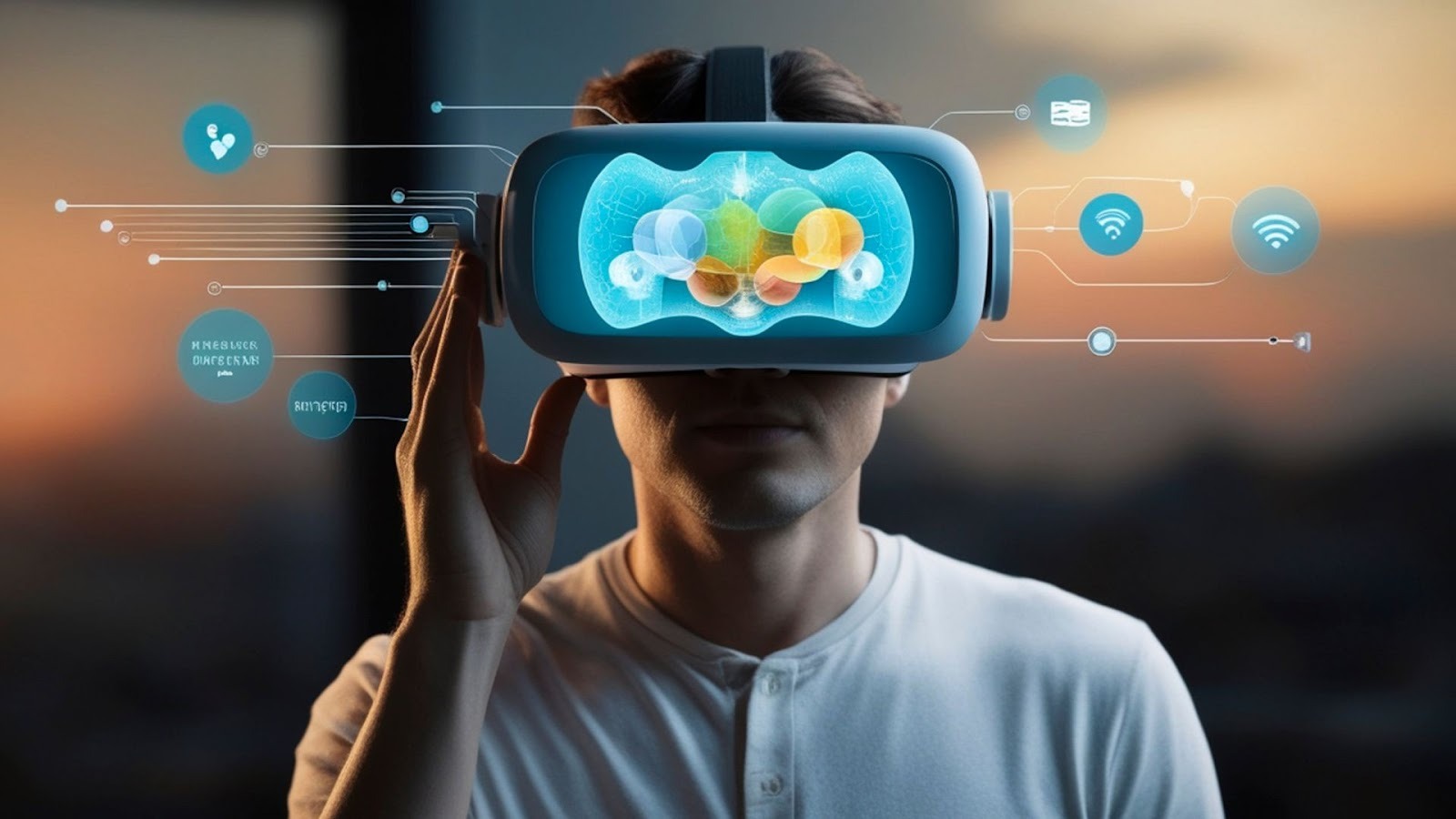
Gaming rarely changes overnight. Most of the time, it creeps forward, almost without anyone noticing. One year, a game feels slow, the next everything is smooth. Devices that once seemed essential suddenly feel optional. And a lot of that has to do with technology running quietly in the background, shaping how we play without us realizing it.
What’s interesting today is how much of gaming is influenced by systems you barely see. Games load faster. Friends can play together even if they are on different devices. Worlds react to you in ways that almost feel alive. It isn’t just about graphics anymore. It’s about how players interact, how games respond, and how accessible everything has become.
Crypto’s Small but Noticeable Place in Gaming
Crypto is popping up more and more in gaming, though it isn’t dominating anything yet. You see it mostly in bitcoin casinos, where moving money is fast and simple for those who already use it. Honestly, for most players, that’s the main appeal. It’s not really about revolutionizing gaming.
Outside of gambling platforms, its influence is fuzzier. Developers talk about digital ownership and player-driven economies, but the majority of games still rely on normal systems. For now, crypto feels like a side experiment, interesting to watch, but not central to how most people play.
Cloud Gaming and the Decline of Hardware Obsession
For decades, gaming quality was tied to what hardware you had. A new console generation meant new spending, and falling behind often meant missing out. Cloud gaming is quietly changing that.
Instead of running games locally, players stream them from powerful servers. This means you can play visually complex titles on a phone or a modest laptop. The shift may seem small at first, but it opens up gaming to people who would otherwise be left out.
Of course, it’s not perfect. Internet speed matters, and latency can still be annoying. But even so, cloud gaming has changed expectations. The idea that you need expensive hardware to play great games is fading.
Artificial Intelligence Working Behind the Curtain
AI is everywhere in modern game development, though you rarely notice it. It is used to test mechanics, simulate thousands of play sessions, and help generate content. That saves developers a ton of repetitive work.
From the player’s perspective, AI is mostly subtle. Enemies behave more naturally, matches feel fairer, and online moderation runs more smoothly. The coolest part is how invisible it is; you notice the effect, but rarely see the system behind it.
Virtual Reality Finding Its Footing
VR has been around long enough to disappoint a lot of people. Early headsets were uncomfortable, expensive, and limited. That reputation still lingers, even though the technology has improved a lot.
Modern headsets are lighter, visuals are sharper, and tracking works better. Developers have also learned that VR works best when games are built for it from the ground up. That’s why some VR experiences feel immersive, while others still feel awkward.
Even if you never use VR, its influence is subtle but real. Techniques developed for VR have trickled into traditional games, like more natural camera movement or environmental interaction.
Augmented Reality Bringing Games Into the Real World
AR takes a different approach. Instead of pulling players into a virtual world, it layers digital content onto the real one. Early AR games showed how this could work, encouraging movement and exploration.
Improvements in cameras and tracking have made newer AR experiences more believable. And AR isn’t just entertainment. Educational apps, fitness tools, and social experiences borrow from it. In some ways, gaming technology is becoming part of daily life rather than separate from it.
Cross-Platform Play and Shared Communities
It feels strange now when friends can’t play together because they’re on different devices. Cross-platform play has become expected rather than optional.
Making it work isn’t easy. Servers must account for different hardware, inputs, and performance levels. When it works, though, the communities feel bigger and more active. Games last longer and feel more connected.
This change has also influenced how developers approach updates. Games are maintained with diverse audiences in mind, and long-term engagement matters more than ever.
Graphics and Subtle Realism
Visuals are more important than ever before, as many gamers expect the best-looking games possible. With ray tracing, more powerful gaming GPUs, and other advancements, games now look more lifelike than ever before.
These details help tell a story. A shadow might guide you down a hallway, or light can set a mood without a word of dialogue. The best graphics now blur the line between cinematic cutscenes and interactive gameplay. Worlds feel less fragmented and more alive.
Haptic Feedback and Feeling the Game
Touch is becoming an important part of gaming. Advanced haptics allow players to feel resistance, impact, or texture through controllers.
It might seem subtle, but it makes a difference. Pulling a trigger, walking on rough terrain, or getting hit now feels more connected to your hands. As haptics spread to phones and wearable devices, I think it will become a standard expectation rather than a novelty.
Data and Games That Adapt
Games today don’t just launch and stay the same. Developers rely on player data to understand how people play, where they get stuck, and what keeps them coming back.
Handled well, this leads to smoother updates and smarter design decisions. Games evolve based on real behavior, not just developer guesses. At the same time, players are more aware of privacy concerns. Transparency is just as important as insight these days.
A Quiet but Meaningful Transformation
The technology shaping gaming today isn’t a single breakthrough. It’s a mix of systems improving together. Cloud services reduce barriers. AI helps build worlds. Immersive hardware deepens engagement. And experimental tools, like crypto, test new ideas.
Most of this change happens quietly. Players feel it more than they notice it. Games load faster, respond better, and feel easier to access.
As this evolution continues, gaming is becoming less about the device and more about the experience. The tech fades into the background, which is exactly the point. Players just notice the world feels more alive, more personal, and more connected.



How to Recover Lost Game Files from an External Drive on Mac

Mystery Anime You’ll Regret Starting at Midnight | Part 2

ARC Raiders Frozen Trail Guide: How to Board and Clear the Frigate

Rockstar Games Integrates Advanced Ray Tracing for GTA VI

How to Update Outdated Graphics Drivers for Better Gaming Performance and Higher FPS

The Most Popular Car Game Isn’t Where Players Stay Longest

Canada’s Gaming Audience Is Bigger Than the Old Stereotype

Mystery Anime You’ll Regret Starting at Midnight | Part 1

Anime You’ll Be Glad You Added to Your Fall Watchlist (Part 2) 🍂

WoW Forever Leveling: What Is New on the Road from 1 to 60

MM2 weapon rarity tiers explained for traders

Blox Fruits Physical vs Permanent Fruits: What’s the Difference?

What to Check Before Buying FC 27 Coins Online

Pokémon Announces New Movie With a New Hero and Mimikyu

Double-Sentinel Defensive Holds Disrupt Fast Valorant Site Executes
Canada’s Gaming Audience Is Bigger Than the Old Stereotype
-
 Anime3 weeks ago
Anime You’ll Be Glad You Added to Your Fall Watchlist (Part 2) 🍂
-
 Features2 weeks ago
WoW Forever Leveling: What Is New on the Road from 1 to 60
-
 Esports3 weeks ago
MM2 weapon rarity tiers explained for traders
-
 Features4 weeks ago
Blox Fruits Physical vs Permanent Fruits: What’s the Difference?
-
 Features4 weeks ago
What to Check Before Buying FC 27 Coins Online
-
 Anime4 weeks ago
Pokémon Announces New Movie With a New Hero and Mimikyu
-
 Esports4 weeks ago
Double-Sentinel Defensive Holds Disrupt Fast Valorant Site Executes
-
 Features2 weeks ago
Canada’s Gaming Audience Is Bigger Than the Old Stereotype
-
 Anime2 weeks ago
Mystery Anime You’ll Regret Starting at Midnight | Part 1
-
 Features3 weeks ago
Why Sports Games Keep Getting Better at Simulating the Real Thing
-

 Features2 weeks ago
8 Underrated PC Games Worth Playing in 2026 (That Aren’t Getting the Attention They Deserve)
-
 Features1 week ago
The Most Popular Car Game Isn’t Where Players Stay Longest