
Gaming News
New York Attorney General Sues Valve — What CS2 Skin Traders Need to Know

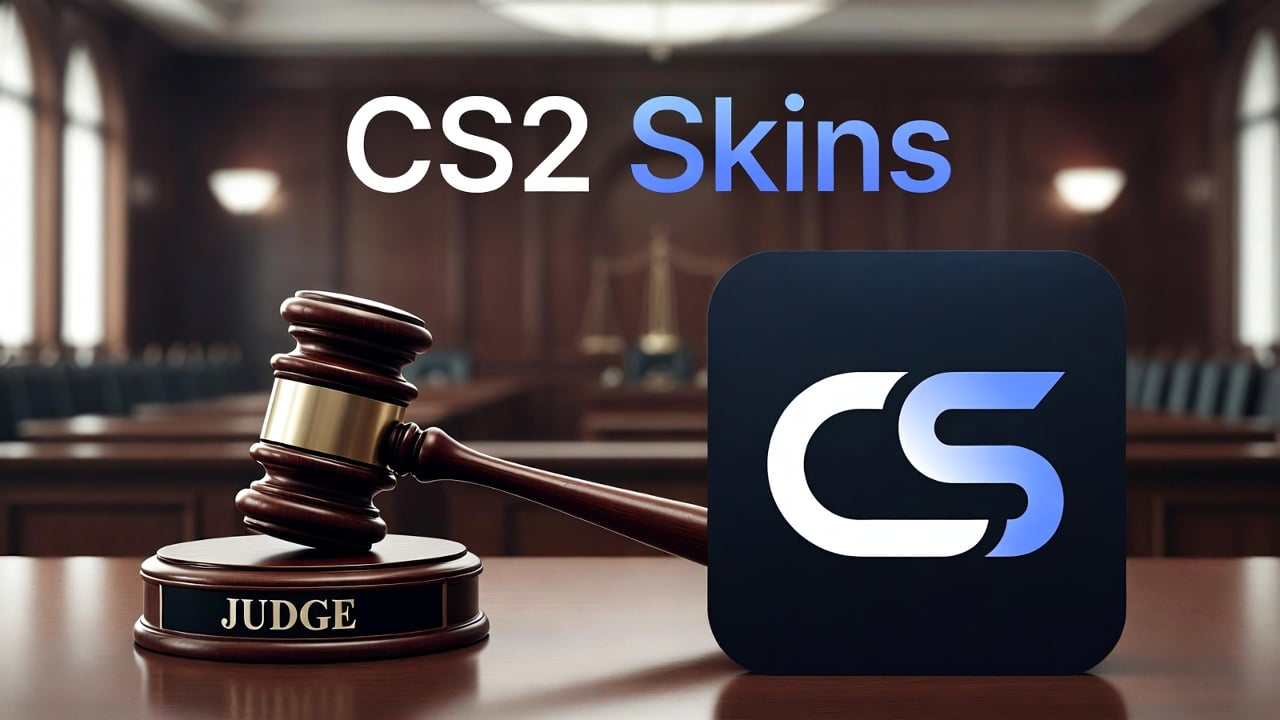
In a major legal escalation that could reshape the world of digital item economies, New York State Attorney General Letitia James has filed a lawsuit against game developer Valve Corporation, alleging that its use of loot boxes in games like Counter-Strike 2 (CS2), Team Fortress 2, and Dota 2 amounts to illegal gambling under state law. (Reuters)
Filed in Manhattan Supreme Court in late February 2026, the lawsuit claims that these randomized in-game purchases often referred to as loot boxes provide players with the chance to receive valuable virtual items, including weapon skins, by spending real money. According to the complaint, this practice closely resembles gambling as defined under New York’s constitution and penal code. (Reuters)
Although the lawsuit is focused on monetization mechanics, it has sparked fresh discussion about how digital items like rare weapon skins are valued, traded, and monetized outside Valve’s ecosystem — including on third-party sites where traders buy, sell, and exchange virtual assets.
What the Lawsuit Alleges
The core of the Attorney General’s argument stresses three points:
- Loot boxes constitute a game of chance — players pay real money without knowing what virtual item they will win. (Destructoid)
- Valuable virtual items are treated as having real monetary value — many rare CS2 skins resell on marketplaces for significant sums. (WDRB)
- The system may be particularly harmful to minors — data cited in the complaint indicates that early exposure to gambling-like mechanics increases problem gambling risk later in life. (Destructoid)
The lawsuit seeks to curb what the state describes as illegal gambling practices, compel Valve to stop offering these mechanics to New Yorkers, and impose fines and restitution for alleged damages caused by the system. (National Today)
CS2 Skins and Real-World Value
Even though CS2 weapon skins are cosmetic and don’t affect gameplay, their real-world economic impact is undeniable. Rare virtual items can fetch hundreds — or even thousands — of dollars when sold to collectors and traders. (WDRB)
While Valve’s internal Steam Community Market allows for direct trades and internal circulation of item value, many players choose to use independent platforms to maximize earnings or obtain desired skins faster. These third-party services often offer alternative payment options, quicker withdrawals, or a broader range of buyer demand.
For traders navigating this ecosystem, the attention drawn by the lawsuit reinforces the importance of staying informed and using reputable services whether trading manually or automatically to manage skin inventories and valuations.
Why It Matters to the Trading Community
Although the lawsuit doesn’t directly target external marketplaces, it nevertheless shines a spotlight on how virtual economies in CS2 have grown far beyond simple in-game cosmetic customization. Some key implications include:
Increased Scrutiny on Loot Mechanics
The AG’s complaint argues loot boxes simulate gambling by offering the chance at valuable rewards with real money, a concept that overlaps with how some skins are monetized and flipped later. (HLTV.org)
Regulatory Focus on Item Liquidity
Third-party platforms that allow players to convert digital assets into fiat currency — or exchange between skins of different value — have become central to the CS2 skin economy. The lawsuit emphasizes this money-transfer capability as part of the broader legal concern. (CyberInsider)
Potential Changes to Monetization Systems
If the court sides with New York, Valve could be forced to rework how its loot boxes and related systems operate in the state — potentially influencing how other jurisdictions view similar mechanics. (National Today)
Tips for CS2 Traders in the Current Climate
With this lawsuit unfolding, traders and skin collectors should be proactive about understanding where and how they buy and sell virtual items:
Diversify Platforms Wisely
Utilizing established and transparent third-party sites can help mitigate risks and ensure smoother payouts.
Monitor Regulatory Shifts
Future rulings or settlements could influence marketplace rules — especially if states adopt similar legal positions.
Evaluate Price Trends
Skin values are influenced by both game mechanics and broader market demand. Understanding where your assets are most liquid — and where fees are lowest — can help protect profits.
Above all, staying informed about legal developments such as this lawsuit helps players navigate the evolving landscape of digital item trading and enforcement.
The Future of CS2 Skin Markets
While the lawsuit doesn’t immediately disrupt the daily operations of trading platforms, it signals a turning point in how digital games and their economies are viewed by regulators. Traders should see this not as alarmism, but as a prompt to evaluate their practices and preferences more carefully.
Whether you’re buying, selling, or simply holding rare cosmetics, knowing where and how to conduct trades safely and profitably is key — and that’s where tools that help you explore and compare Counter-Strike 2 skin trading websites like SkinRadar can make a real difference.
By keeping an eye on legal developments and the practical landscape of third-party marketplaces, CS2 skin traders can protect their assets and stay ahead of shifting trends.
As regulators continue examining digital economies, the CS2 skin ecosystem is likely to face increased transparency requirements and structural adjustments. However, one thing remains clear: player demand for trading, collecting, and optimizing skin value isn’t disappearing anytime soon. If anything, heightened scrutiny may push the industry toward clearer rules and safer platforms.
For traders, this means being selective about where they operate. Understanding platform policies, withdrawal options, and fee structures will become even more important in the months ahead. Using trusted resources to evaluate Counter-Strike 2 skin trading websites ensures that decisions are based on research rather than hype. In a changing legal environment, informed traders will always have the advantage.



How to Recover Lost Game Files from an External Drive on Mac

Mystery Anime You’ll Regret Starting at Midnight | Part 2

ARC Raiders Frozen Trail Guide: How to Board and Clear the Frigate

Rockstar Games Integrates Advanced Ray Tracing for GTA VI

How to Update Outdated Graphics Drivers for Better Gaming Performance and Higher FPS

The Most Popular Car Game Isn’t Where Players Stay Longest

Canada’s Gaming Audience Is Bigger Than the Old Stereotype

Mystery Anime You’ll Regret Starting at Midnight | Part 1

Anime You’ll Be Glad You Added to Your Fall Watchlist (Part 2) 🍂

WoW Forever Leveling: What Is New on the Road from 1 to 60

MM2 weapon rarity tiers explained for traders

Blox Fruits Physical vs Permanent Fruits: What’s the Difference?

What to Check Before Buying FC 27 Coins Online

Pokémon Announces New Movie With a New Hero and Mimikyu

Double-Sentinel Defensive Holds Disrupt Fast Valorant Site Executes
Canada’s Gaming Audience Is Bigger Than the Old Stereotype
-
 Anime3 weeks ago
Anime You’ll Be Glad You Added to Your Fall Watchlist (Part 2) 🍂
-
 Features2 weeks ago
WoW Forever Leveling: What Is New on the Road from 1 to 60
-
 Esports3 weeks ago
MM2 weapon rarity tiers explained for traders
-
 Features4 weeks ago
Blox Fruits Physical vs Permanent Fruits: What’s the Difference?
-
 Features4 weeks ago
What to Check Before Buying FC 27 Coins Online
-
 Anime4 weeks ago
Pokémon Announces New Movie With a New Hero and Mimikyu
-
 Esports4 weeks ago
Double-Sentinel Defensive Holds Disrupt Fast Valorant Site Executes
-
 Features2 weeks ago
Canada’s Gaming Audience Is Bigger Than the Old Stereotype
-
 Anime2 weeks ago
Mystery Anime You’ll Regret Starting at Midnight | Part 1
-

 Features2 weeks ago
8 Underrated PC Games Worth Playing in 2026 (That Aren’t Getting the Attention They Deserve)
-
 Features1 week ago
The Most Popular Car Game Isn’t Where Players Stay Longest
-

 Features3 weeks ago
Why Sports Games Keep Getting Better at Simulating the Real Thing