
Features
How Modern Games Blur Play and Reality

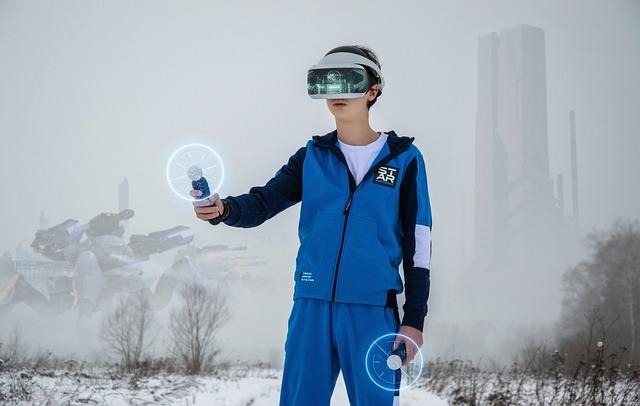
It’s hard to overlook how the border between the world of games and the world we live in has almost disappeared. Today’s games lean into immersive storylines and interactive technology, melding graphics, choices, and sound in ways that mimic real sensations and emotions. What once felt like a sharp divide between play on a screen and the tangles of real life now flickers indistinctly. It goes much deeper than flashy visuals.
Story twists, alternate reality immersions, and even marketing stunts weave games quietly into the rhythms of everyday moments. There’s an undeniable pull. For some, it’s dizzying. Researchers say this collapse of boundaries not only amplifies engagement, it changes how people absorb and reflect on games long after they turn off the console. Developers are all in on this blending; it’s now central to how stories and worlds are built.
Immersive Technology Drives Lifelike Design
The last several years, game studios poured their fortunes into simulating our senses. Racing games push motion blur and bold, ultra-rich lighting, not for spectacle, but to match how our eyes move. Over half of high-profile titles now feature these techniques, according to a Digital Foundry study from 2023. It doesn’t stop at surface detail; temporal anti-aliasing quietly erases sharp edges, smoothing motion until it’s uncanny. Sure, the finer points get hazy, but the brain buys in. One YouTube educator put it simply, these worlds can “almost trick the senses.” Sometimes, sitting in front of a screen, what you’re seeing feels disconcertingly close to what’s outside your window. The technology isn’t just showing us games. It’s coaxing us into believing them.
Alternate Reality Games and the Social Crossover
Then there are games that poke at life’s edges. Alternate reality games, ARGs, spill into phones, websites, text messages, and even bits of snail mail. Nothing is limited to just pixels. Clues surface in real cities, sometimes shifting the story as thousands of players collaborate in real time. Online casino communities, for example, have embraced ARG mechanics to introduce interactive promotions or scavenger hunts that involve users both virtually and physically.
Blast Theory found that participants in such games have roamed neighborhoods, reading cryptic billboards or hunting for odd menu items, never quite sure if they’re chasing fiction or fact. That moment when the virtual collides with the actual gives the whole design its unpredictable magic.
Psychological Impact and Narrative Illusions
Many modern games want to mess with your sense of reality. They give you unreliable narrators or points of view that change, challenging you to tell fiction from fact. Designers who worked on Genius Crate in 2023 talked about how decision-driven stories help players think about their own beliefs. Sometimes, the decisions players make in the game are similar to ones they have to make in real life. It becomes hard to tell right from wrong when there are scenarios that test the border between player and character.
Even simple menus and scene details are made to make players doubt what they saw. In a survey by Arena Kannur, nearly three-quarters of players admitted to “lingering feelings” from games well after logging off. Rather than an accident, this effect has become part of the artists intent; these games want you haunted.
Real Life and Marketing Integration
Play doesn’t stop when the screen goes dark. Studios build campaigns that reach into everyday scenes with billboards, pop-ups, and cryptic messages, roping in anyone who’s curious or obsessive enough to follow the trail. What started with viral blockbusters like The Da Vinci Code has now gone mainstream; clues are dropped into video calls, geotagged emails, or even street art. Gamer Nation HQ reported that fans spent months tracking these trails. Each new puzzle blurs who’s just watching and who’s really in the game, prompting collaboration among strangers. The goal? Make the border between game and daily habit so faint it barely matters. Marketers and creators see it as a wild new playground, part experiment, part invitation.
Responsible Engagement in Blurred Realities
With games spreading into “real” life, keeping your bearings counts for more than ever. Photorealistic shooters or sprawling ARGs can tug at real feelings and habits. It’s important to keep track of time and feelings, especially when things that happen on screen start to impact off screen too. Developers provide out messages and help, but it’s up to the gamers to stay grounded. Healthy engagement, a bit of perspective, and honest limits keep games a positive force, even as play and reality bleed ever closer together.
source: https://pixabay.com/photos/virtual-reality-virtual-glasses-8531953/



How to Recover Lost Game Files from an External Drive on Mac

Mystery Anime You’ll Regret Starting at Midnight | Part 2

ARC Raiders Frozen Trail Guide: How to Board and Clear the Frigate

Rockstar Games Integrates Advanced Ray Tracing for GTA VI

How to Update Outdated Graphics Drivers for Better Gaming Performance and Higher FPS

The Most Popular Car Game Isn’t Where Players Stay Longest

Canada’s Gaming Audience Is Bigger Than the Old Stereotype

Mystery Anime You’ll Regret Starting at Midnight | Part 1

Anime You’ll Be Glad You Added to Your Fall Watchlist (Part 2) 🍂

WoW Forever Leveling: What Is New on the Road from 1 to 60

MM2 weapon rarity tiers explained for traders

Blox Fruits Physical vs Permanent Fruits: What’s the Difference?

What to Check Before Buying FC 27 Coins Online

Pokémon Announces New Movie With a New Hero and Mimikyu

Double-Sentinel Defensive Holds Disrupt Fast Valorant Site Executes
Canada’s Gaming Audience Is Bigger Than the Old Stereotype
-
 Anime3 weeks ago
Anime You’ll Be Glad You Added to Your Fall Watchlist (Part 2) 🍂
-
 Features2 weeks ago
WoW Forever Leveling: What Is New on the Road from 1 to 60
-
 Esports3 weeks ago
MM2 weapon rarity tiers explained for traders
-
 Features4 weeks ago
Blox Fruits Physical vs Permanent Fruits: What’s the Difference?
-
 Features4 weeks ago
What to Check Before Buying FC 27 Coins Online
-
 Anime4 weeks ago
Pokémon Announces New Movie With a New Hero and Mimikyu
-
 Esports4 weeks ago
Double-Sentinel Defensive Holds Disrupt Fast Valorant Site Executes
-
 Features2 weeks ago
Canada’s Gaming Audience Is Bigger Than the Old Stereotype
-
 Anime2 weeks ago
Mystery Anime You’ll Regret Starting at Midnight | Part 1
-

 Features3 weeks ago
Why Sports Games Keep Getting Better at Simulating the Real Thing
-

 Features2 weeks ago
8 Underrated PC Games Worth Playing in 2026 (That Aren’t Getting the Attention They Deserve)
-
 Features1 week ago
The Most Popular Car Game Isn’t Where Players Stay Longest