
Features
The Art of Video Game Character Design

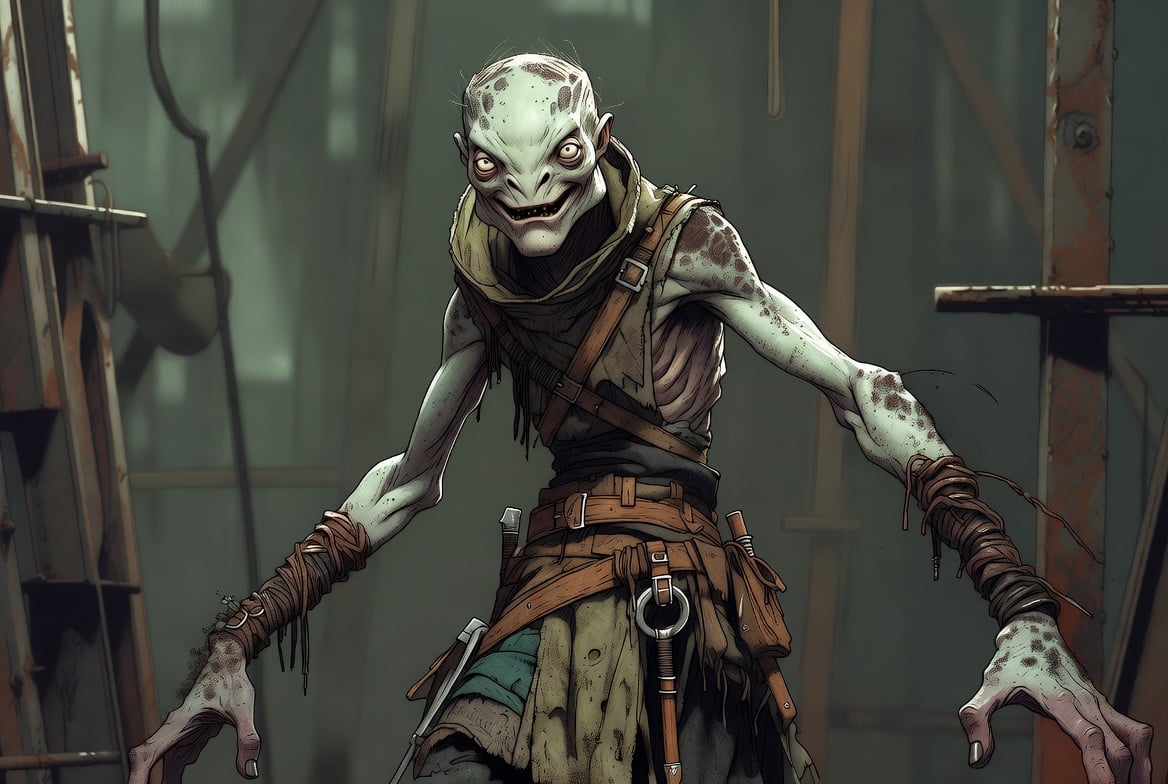
Characters are often the first thing players notice in a video game. How they look, move, and behave sets expectations, draws players into the world, and influences how they connect with the story and gameplay.
Video game character design often sits at the intersection of art, narration, and gameplay. Whether handled internally or with a character design studio, the goal remains the same: to create characters that communicate clearly and function well in play. Think of it as a system: character’s appearance signals identity, movement defines interaction, and motivation gives context to player actions.
Designing a memorable character takes more than a strong visual concept. Effective character design supports gameplay, reinforces the game world, and helps players quickly understand their role within it. When these elements work together, characters become intuitive to play, believable within the world, and hard to forget.
What Should You Know Before Diving Into Character Design
Before any design work begins, it helps to define what a game character represents within a system. In most cases, a character acts as the player’s primary interface with the game world. Its appearance, behaviour, and constraints communicate mechanics, establish tone, and signal intent.
When these signals are clear, players spend less time guessing and more time playing. Good character design reduces friction by making actions, capabilities, and intentions readable at a glance.
So how do you move from early concept art to a character that feels coherent, playable, and memorable?
Know The Tools At Your Disposal
Game characters generally fall into two broad visual approaches: 2D and 3D. While some tools support both, production pipelines are usually built around one or the other.
In practice, character design often spans several categories of software. Artists rely on 2D tools for sketches and sprite work, 3D tools for modelling and texturing, and animation tools to define movement and interaction. Each stage supports a different part of how the character looks and feels in play.
Most modern tools come with strong community and developer support. Clear documentation, tutorials, and practical guides are easy to find and cover both basic workflows and more advanced techniques. For anyone learning how to make a video game character, these resources shorten the learning curve and help establish solid, industry-standard habits from the start.
How To Create A Video Game Character
Although 2D and 3D pipelines differ in execution, character creation tends to follow a similar structure across projects. Think of it as a flexible framework that guides decisions from concept to implementation.
Character Personality
Strong video game character design usually starts with personality. Motivations, strengths, flaws, and a character’s relationship to the game world shape how they should look and move. Even when a character says very little, these traits inform visual choices and animation decisions.
When personality is clearly defined, it becomes easier to keep design, movement, and behaviour consistent throughout the game.
Concept Development
Concept art turns abstract ideas into concrete visual decisions.
At this stage, designers focus on silhouettes, proportions, clothing, and defining features that set the character apart. A well-designed character should remain recognisable even at low detail or when seen from a distance.
Defining Movement
Movement is part of character design, not a separate concern. How a character runs, attacks, or reacts should reflect both their personality and their role in gameplay. Defining these actions early helps prevent designs that look convincing on paper but feel awkward or impractical once the player takes control.
Visual Elements And Skins
Details such as colour palettes, materials, and alternate skins add depth without changing a character’s core identity. They can signal progression, rarity, or faction while keeping the base design intact. However, too many competing details quickly reduce clarity and visual readability.
Animation
Animation brings a character to life by conveying weight, speed, and emotional state. When done well, it makes actions clear and satisfying, directly shaping how the game feels to play. In many cases, this is where a solid design either holds up or falls apart once it is in the player’s hands.
Putting Character in The World
The final step is integration.
Lighting, camera distance, environment scale, and interactions with other elements all shape how a character is perceived in-game. A well-designed character remains readable, consistent, and believable in every scene.
What Makes Good Game Character Design
Good game character design balances function and expression.
A character should be readable, distinctive, and clearly reflect the game’s mechanics and tone. Players should understand what they can do just by looking at them.
Consistency matters, too. Visual style, proportions, and animation should align with the rest of the game, while allowing room for exaggeration or abstraction when it enhances clarity or emotional impact. The strongest designs put gameplay first, then layer in personality and expression.
Examples Of Iconic Game Characters
Iconic characters often share a few key traits: simple, recognisable silhouettes; clear thematic roles; and designs that evolve alongside their games to stay relevant and functional. Characters like Mario, Sonic, or the Overwatch roster are instantly identifiable because their visual design reflects both who they are and how they play.
Memorable game character design doesn’t rely on realism or complexity. Instead, it comes from cohesion between appearance, movement, and purpose. When all these elements align, a character can become a symbol of the game itself.
The Future of Character Design
Even today, video game character design is increasingly influenced by automation and AI-assisted workflows. These tools speed up concept generation, iteration, and asset production, paving the way for smaller teams to achieve more without expanding headcount.
However, higher expectations for quality and efficiency are raising the bar across the industry.
Indie developers benefit from this shift, gaining flexibility to create characters that reflect a distinct vision with less overhead. Despite changes in tools and pipelines, skilled artists who understand style, anatomy, and interaction remain essential.
Knowing how to design a video game character thoughtfully will continue to be a valuable and lasting skill.



Table and Mini Games In Grand Theft Auto 6 – What Can We Expect?

How to Recover Lost Game Files from an External Drive on Mac

Mystery Anime You’ll Regret Starting at Midnight | Part 2

ARC Raiders Frozen Trail Guide: How to Board and Clear the Frigate

Rockstar Games Integrates Advanced Ray Tracing for GTA VI

How to Update Outdated Graphics Drivers for Better Gaming Performance and Higher FPS

The Most Popular Car Game Isn’t Where Players Stay Longest

Canada’s Gaming Audience Is Bigger Than the Old Stereotype

Anime You’ll Be Glad You Added to Your Fall Watchlist (Part 2) 🍂

WoW Forever Leveling: What Is New on the Road from 1 to 60

MM2 weapon rarity tiers explained for traders

Blox Fruits Physical vs Permanent Fruits: What’s the Difference?

What to Check Before Buying FC 27 Coins Online

Double-Sentinel Defensive Holds Disrupt Fast Valorant Site Executes
Canada’s Gaming Audience Is Bigger Than the Old Stereotype

Why Sports Games Keep Getting Better at Simulating the Real Thing
-
 Anime3 weeks ago
Anime You’ll Be Glad You Added to Your Fall Watchlist (Part 2) 🍂
-
 Features3 weeks ago
WoW Forever Leveling: What Is New on the Road from 1 to 60
-
 Esports3 weeks ago
MM2 weapon rarity tiers explained for traders
-
 Features4 weeks ago
Blox Fruits Physical vs Permanent Fruits: What’s the Difference?
-
 Features4 weeks ago
What to Check Before Buying FC 27 Coins Online
-
 Esports4 weeks ago
Double-Sentinel Defensive Holds Disrupt Fast Valorant Site Executes
-
 Features2 weeks ago
Canada’s Gaming Audience Is Bigger Than the Old Stereotype
-
 Features3 weeks ago
Why Sports Games Keep Getting Better at Simulating the Real Thing
-

 Anime2 weeks ago
Mystery Anime You’ll Regret Starting at Midnight | Part 1
-
 Features3 weeks ago
8 Underrated PC Games Worth Playing in 2026 (That Aren’t Getting the Attention They Deserve)
-
 Features1 week ago
The Most Popular Car Game Isn’t Where Players Stay Longest
-

 Features3 weeks ago
From Consoles to Phones: How Canadian Gaming Became an Anytime Experience