
Games That Changed Our Lives
30 Years of Resident Evil: How Capcom Changed the Gaming Landscape

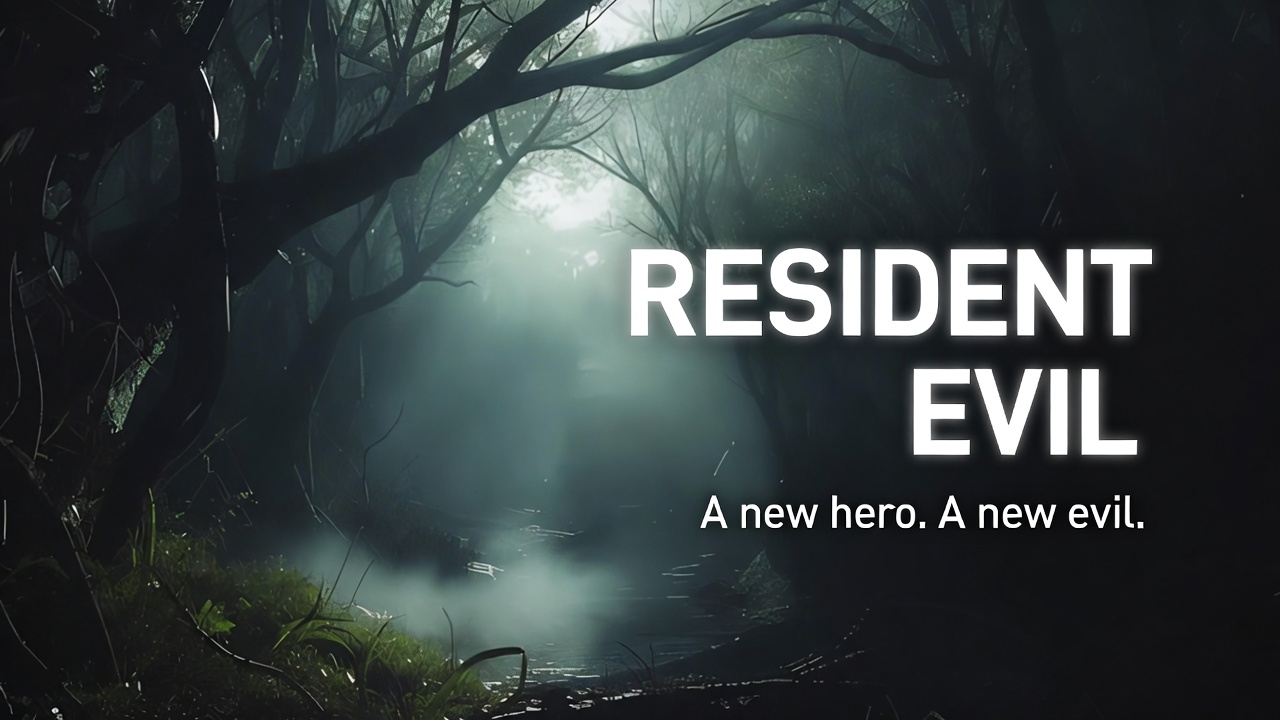
Survival horror exists in its current form because Capcom got clever with limits. Back in 1996, the original Resident Evil wasn’t built to be “retro.” It was built to run. A fully 3D, first-person idea was on the table early on, but the PlayStation couldn’t pull off the kind of detailed, convincing spaces the team wanted.
So Capcom pivoted to pre-rendered backgrounds and fixed camera angles, then turned that constraint into a weapon. You’d hear a scrape, spot a doorway, and realize the camera refused to show you what was waiting on the other side. That “cinematic” dread became a series signature.
The same problem shaped how you moved. Tank controls weren’t a quirky choice; instead, they became a practical way to keep movement consistent between camera cuts. The result was accidental tension: turning around felt like work, and panic had consequences.
When “Scrapped” Ideas Started New Genres
Capcom’s willingness to experiment with their core IP is perhaps their greatest contribution to gaming history. The development of Resident Evil 4 is a legendary saga of discarded prototypes. One early version, led by Hideki Kamiya, moved so far away from slow-burn dread that the protagonist was juggling enemies in the air with lightning-fast sword strikes.
While it failed as a horror title, Capcom saw the brilliance in its frantic energy. Instead of deleting the code, they rebranded it to what we know today as Devil May Cry. This decision didn’t just save a project but essentially invented the “character action” genre, influencing combat systems for decades to come.
The Day the Industry Shifted
When the final version of Resident Evil 4 arrived in 2005, it didn’t just save the series; it rewrote the rules for the third-person perspective. By placing the camera tightly over the shoulder, Capcom solved the problem of 3D aiming while keeping the player’s field of vision restricted enough to maintain tension. This single design choice became the gold standard for nearly every major action title that followed, from the heavy-hitting combat of Gears of War to the cinematic intimacy of The Last of Us.
The brilliance lay in the “stop-and-pop” mechanics. By preventing players from moving while shooting, Capcom maintained the core tenet of survival horror: the feeling of being cornered. It was a masterclass in balancing player empowerment with total helplessness. This constant cycle of reinvention is what has kept the franchise at the top of the food chain for over three decades.
And when Resident Evil itself lost its own identity, Capcom did not give up and did something a lot of long-running series fail at: it course-corrected. When the franchise drifted into louder action territory, it later stripped things back with Resident Evil 7 and rebuilt tension through proximity, sound, and vulnerability.
And now, 30 years later, with the Resident Evil Requiem PC key, Capcom aims to redefine the series once again.
Starting the Modern Remake Trend
While the series has always looked forward, its recent habit of looking back has ignited a massive industry trend. The 2019 reimagining of Resident Evil 2 proved that a remake could be more than a simple resolution bump.
By rebuilding the Raccoon City Police Department from the ground up, Capcom showed that classic level design could be seamlessly integrated with modern third-person mechanics. The massive commercial success of this project essentially gave other publishers a green light to revisit their own libraries.
Following this success, we saw a surge in high-budget remakes like Final Fantasy VII, Dead Space, and Silent Hill 2. Capcom’s approach – treating a remake as a prestige “reimagining” rather than a cheap port – set a new bar for what fans expect.
It demonstrated that there is a massive market for older stories when they are presented with contemporary technical fidelity. This “remake gold rush” has allowed a new generation of players to experience the foundations of the medium without having to fight with legacy hardware or outdated Tank controls.
The Next Stop: Resident Evil Requiem
As the franchise moves into its fourth decade with the release of Resident Evil Requiem, the 9th mainline installment represents the ultimate synthesis of these historical milestones. It doesn’t try to reference the past; it weaponizes the lessons learned from both the fixed-camera era and the action-heavy rebellious years. With a dual-protagonist system that shifts between first-person dread and third-person tactical combat, Capcom is attempting to satisfy every corner of its diverse fanbase.
And if you’ll be picking up the next installment, you’re probably wondering: What is the best website for game keys when video game prices start to feel like a luxury? Acting as a digital license that grants you access to a title once redeemed on your account, a game key essentially replaces the need for physical media while often carrying a much lower price tag.
Most experienced players spend time comparing several trusted key sites to ensure they get the best possible deal before committing to a purchase. Among these options, Eneba has established itself as a top choice for safe, discounted game keys due to its massive catalog and competitive pricing across all major platforms.
The marketplace provides a transparent shopping experience by displaying clear region details and individual seller ratings right on the product page, and when combined with fast access to codes and 24/7 support, it offers a reliable way to expand your library without paying the premium price tag.



How to Recover Lost Game Files from an External Drive on Mac

Mystery Anime You’ll Regret Starting at Midnight | Part 2

ARC Raiders Frozen Trail Guide: How to Board and Clear the Frigate

Rockstar Games Integrates Advanced Ray Tracing for GTA VI

How to Update Outdated Graphics Drivers for Better Gaming Performance and Higher FPS

The Most Popular Car Game Isn’t Where Players Stay Longest

Canada’s Gaming Audience Is Bigger Than the Old Stereotype

Mystery Anime You’ll Regret Starting at Midnight | Part 1

Anime You’ll Be Glad You Added to Your Fall Watchlist (Part 2) 🍂

WoW Forever Leveling: What Is New on the Road from 1 to 60

MM2 weapon rarity tiers explained for traders

Blox Fruits Physical vs Permanent Fruits: What’s the Difference?

What to Check Before Buying FC 27 Coins Online

Can You Stream Kick on Xbox: Complete Guide for Xbox Users

Pokémon Announces New Movie With a New Hero and Mimikyu

Double-Sentinel Defensive Holds Disrupt Fast Valorant Site Executes
-
 Anime3 weeks ago
Anime You’ll Be Glad You Added to Your Fall Watchlist (Part 2) 🍂
-
 Features2 weeks ago
WoW Forever Leveling: What Is New on the Road from 1 to 60
-
 Esports3 weeks ago
MM2 weapon rarity tiers explained for traders
-
 Features4 weeks ago
Blox Fruits Physical vs Permanent Fruits: What’s the Difference?
-
 Features4 weeks ago
What to Check Before Buying FC 27 Coins Online
-
 Social Media4 weeks ago
Can You Stream Kick on Xbox: Complete Guide for Xbox Users
-
 Anime4 weeks ago
Pokémon Announces New Movie With a New Hero and Mimikyu
-
 Esports4 weeks ago
Double-Sentinel Defensive Holds Disrupt Fast Valorant Site Executes
-
 Features2 weeks ago
Canada’s Gaming Audience Is Bigger Than the Old Stereotype
-
 Anime2 weeks ago
Mystery Anime You’ll Regret Starting at Midnight | Part 1
-
 Features1 week ago
The Most Popular Car Game Isn’t Where Players Stay Longest
-

 Features3 weeks ago
Why Sports Games Keep Getting Better at Simulating the Real Thing