
Features
What Is Ping in Gaming? A Simple Guide for College Students

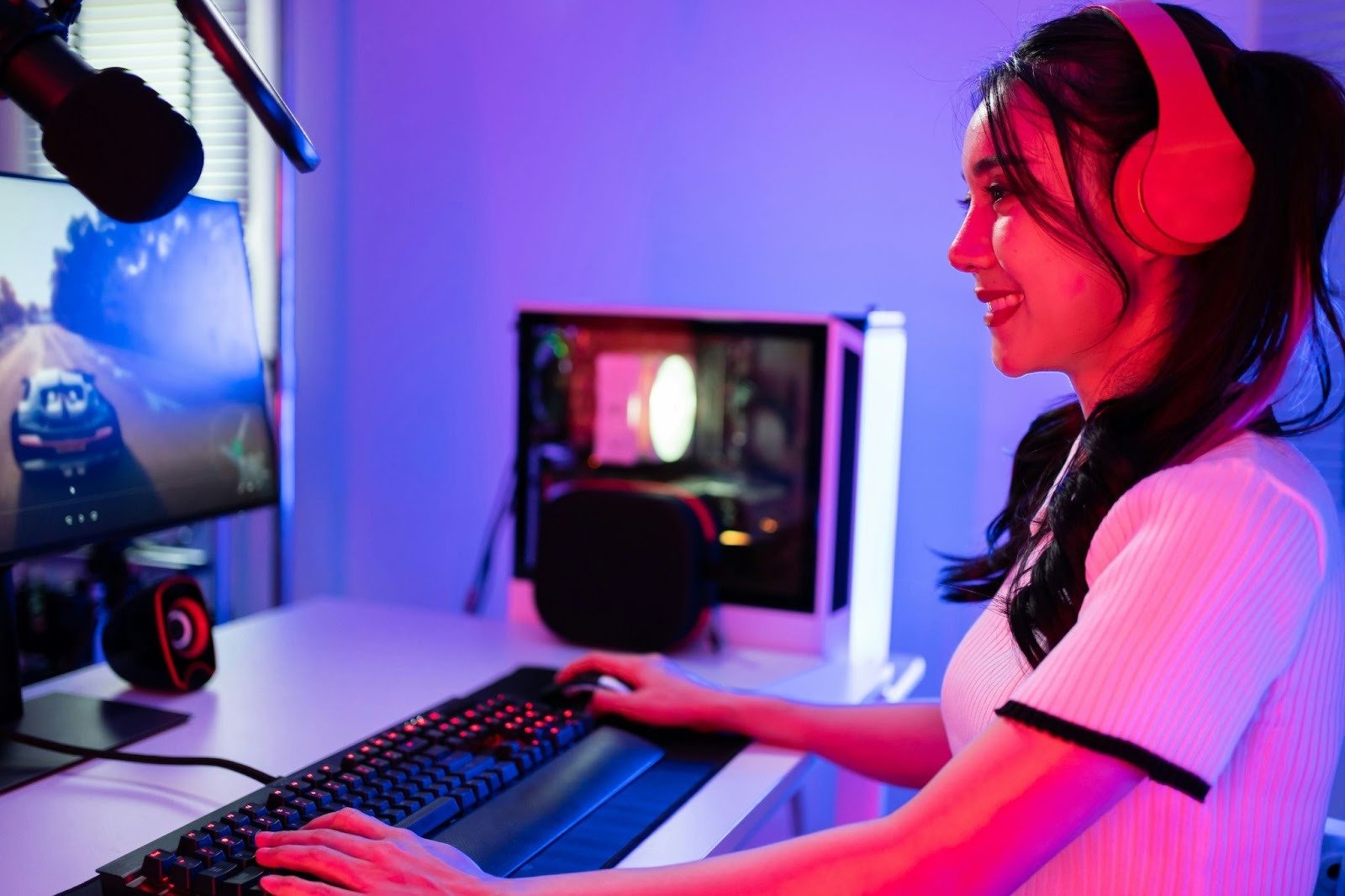
College students play a lot of online matches, so lag is something everyone complains about at some point. You press a key, take a shot, or dodge an attack—and the game responds late. That delay often comes from ping. If you’ve ever wondered what is ping in gaming or why friends call your connection “slow,” this guide breaks it down in clear, practical terms.
Ping is the time it takes for your device to send a signal to the game server and get a response. In most cases, this round-trip is measured in milliseconds. Because delays stack up quickly, even small changes matter during fast competitive matches. That’s why students often ask what is ping gaming or what is ping in a game when troubleshooting dorm-room internet.
Ping Definition and Why College Students Should Care
In simple words, ping definition gaming describes how long your actions take to show up on the server. When students ask what is a ping in gaming, they usually want to know why their character moves late, why a shot doesn’t register, or why the match feels “laggy.”
Ping is a measurement of communication speed. Lower numbers mean quicker communication, which helps you react on time. Higher numbers mean the opposite.
Students often juggle homework, streaming, video calls, and multiplayer sessions on the same shared network. That’s why ping online gaming issues are extra common in college. And if you’re writing a tech assignment about network performance, you might find yourself needing to pay for research paper to get A+ from pay for research paper to get A+ services when deadlines stack up. This fits naturally here because network concepts are often part of computer science or communications coursework.
Here’s a quick table showing what ping levels usually mean for online matches:
| Ping Level | Gameplay Quality | Notes |
| 0–30 ms | Very responsive | Ideal for competitive modes |
| 30–60 ms | Solid and playable | Most college networks fall here |
| 60–100 ms | Noticeable delay | Playable, but reactions feel slower |
| 100–200 ms | Heavy delay | Movements and shots register late |
| 200+ ms | Severe lag | Hard to play any real-time game |
How Does Ping Affect Gaming?
Students often ask how does ping affect gaming because they notice strange things happening during matches. You might see teleporting players, delayed reloads, or shots that don’t seem to land. These issues are usually ping-related.
Here’s what happens behind the scenes:
- You press a key or click.
- Your device sends that action to the server.
- The server processes it.
- It sends the result back to you.
If this process is slow, you feel it immediately. That’s why students wonder is it better to have higher or lower ping—the answer is always lower. Low ping makes movement predictable, timing easier, and reactions sharper. High ping leads to outcomes that feel unfair, especially in games with fast combat.
The reference article explains this using a shooter example where two players fire at the same moment. The one with lower ping gets server priority, so their shot lands first. The higher-ping player can fire at the same time, but the server registers their action too late. The same logic applies to fighting games, racing games, and even sports titles.
Why Is Ping a Big Deal on College Campuses?
Campus connections can be unpredictable. You may have great ping at 9 AM but terrible ping at 9 PM. Students often wonder what are pings in gaming or why things change so fast. Several factors make college environments tough for consistent performance:
- Too many devices on one network
Laptops, phones, consoles, smart TVs, and tablets all fight for bandwidth. - High traffic during peak hours
When everyone streams or downloads at the same time, ping rises quickly. - Distance from the nearest server
If the game’s region is far away, ping increases even on a good connection. - Wi-Fi interference
Dorms have thick walls, dozens of routers, and constant signal overlap. - Shared access points
One router often has dozens of students connected through it.
These problems explain why even strong personal computers still suffer from gaming ping issues.
Below is a second list that helps identify which situations cause your ping to spike the fastest:
- Cloud backups running in the background
- Roommates streaming in 4K
- Large game updates downloading
- Using old Wi-Fi adapters
- Sitting far from your router in the dorm
How to Improve Bad Ping as a College Student
Fixing ping is often easier than it seems. While you can’t control the entire campus network, you can improve your setup. Here are practical ideas:
- Switch from Wi-Fi to Ethernet
Even a cheap cable makes your signal more stable. - Reset your router or campus access point
Sometimes local hardware becomes overloaded. - Close background apps
Cloud sync and downloads drain bandwidth fast. - Choose the closest server region
Many games let you switch manually. - Play during low-traffic hours
Late morning and early afternoons tend to be smoother.
These steps help reduce spikes so your actions register on time.
Ping Meaning in Gaming for College Life
So, ping meaning gaming isn’t just a technical term. It affects your actual performance. Whether you’re playing casually or competing with your friends on campus, ping shapes the pace and fairness of every match.
Students studying IT, networking, cybersecurity, and even digital media often need to understand how signals travel across networks. So the question what is ping in a game comes up in real coursework as well as weekend gaming sessions. Better ping doesn’t make you more skilled, but it makes your inputs reliable—something that matters a lot when the match is close.
And when someone on your floor shouts, “Why is my ping so bad?” you’ll now know exactly what they’re talking about.
Image Source



Table and Mini Games In Grand Theft Auto 6 – What Can We Expect?

How to Recover Lost Game Files from an External Drive on Mac

Mystery Anime You’ll Regret Starting at Midnight | Part 2

ARC Raiders Frozen Trail Guide: How to Board and Clear the Frigate

Rockstar Games Integrates Advanced Ray Tracing for GTA VI

How to Update Outdated Graphics Drivers for Better Gaming Performance and Higher FPS

The Most Popular Car Game Isn’t Where Players Stay Longest

Canada’s Gaming Audience Is Bigger Than the Old Stereotype

Anime You’ll Be Glad You Added to Your Fall Watchlist (Part 2) 🍂

WoW Forever Leveling: What Is New on the Road from 1 to 60

MM2 weapon rarity tiers explained for traders
Canada’s Gaming Audience Is Bigger Than the Old Stereotype

Mystery Anime You’ll Regret Starting at Midnight | Part 1

Why Sports Games Keep Getting Better at Simulating the Real Thing
The Most Popular Car Game Isn’t Where Players Stay Longest

Minecraft All Biomes Seeds for Players Who Love Exploring
-
 Anime3 weeks ago
Anime You’ll Be Glad You Added to Your Fall Watchlist (Part 2) 🍂
-
 Features3 weeks ago
WoW Forever Leveling: What Is New on the Road from 1 to 60
-
 Esports3 weeks ago
MM2 weapon rarity tiers explained for traders
-
 Features2 weeks ago
Canada’s Gaming Audience Is Bigger Than the Old Stereotype
-
 Anime2 weeks ago
Mystery Anime You’ll Regret Starting at Midnight | Part 1
-
 Features3 weeks ago
Why Sports Games Keep Getting Better at Simulating the Real Thing
-
 Features2 weeks ago
The Most Popular Car Game Isn’t Where Players Stay Longest
-
 Guides4 weeks ago
Minecraft All Biomes Seeds for Players Who Love Exploring
-
 Gaming News1 week ago
Rockstar Games Integrates Advanced Ray Tracing for GTA VI
-
 Features1 week ago
ARC Raiders Frozen Trail Guide: How to Board and Clear the Frigate
-

 Features3 weeks ago
8 Underrated PC Games Worth Playing in 2026 (That Aren’t Getting the Attention They Deserve)
-

 Features3 weeks ago
From Consoles to Phones: How Canadian Gaming Became an Anytime Experience