
Technology
The Rise of Phishing Scams Targeting Streamers and Gamers


Phishing scams have evolved from mass email campaigns to highly focused attacks on the gaming community. Streamers and regular users receive convincing messages, ranging from fake sponsorship offers to impersonations of support teams. As gaming communities on Twitch, YouTube, or Discord continue to grow, so does the value of every single account connected to them, including their audiences, as well as any kind of digital asset.
Online identity has become the prime target due to a boom in personalized scams. Understanding how these schemes work is not merely an option for creators and gamers, as it’s the initial step in protecting environments that are based on trust, visibility, and constant interaction.
Why Phishing Scams Are Surging Across Streaming and Gaming Platforms
Phishing attacks are evolving to become more precise. Since they’re no longer generic, hackers take the time to research a creator’s platform, habits, and community, then craft targeted phishing attempts against them. They watch Twitch channels or YouTube uploads and lurk on Discord servers, so their messages can feel extremely authentic, often mirroring the branding or language of real partners within those ecosystems.
Across cybersecurity circles, including the blog by Moonlock, there is an increasing, steady upward trend in threats attempting to exploit trust within gaming ecosystems. The scam now involves social engineering, as well as various platform-specific tricks, which make it harder for both new and established creators to notice.
Streamer accounts possess financial, social, and technical value components. A compromised channel provides the attacker with access to tools for monetization, fan communities, and real-time visibility of their activities, thereby turning a single breach into multiple opportunities for fraudulent acts. The larger the audience, the higher the payoff will be, thus encouraging more scammers to target creators who depend on these platforms.
How Modern Phishing Schemes Target Streamers
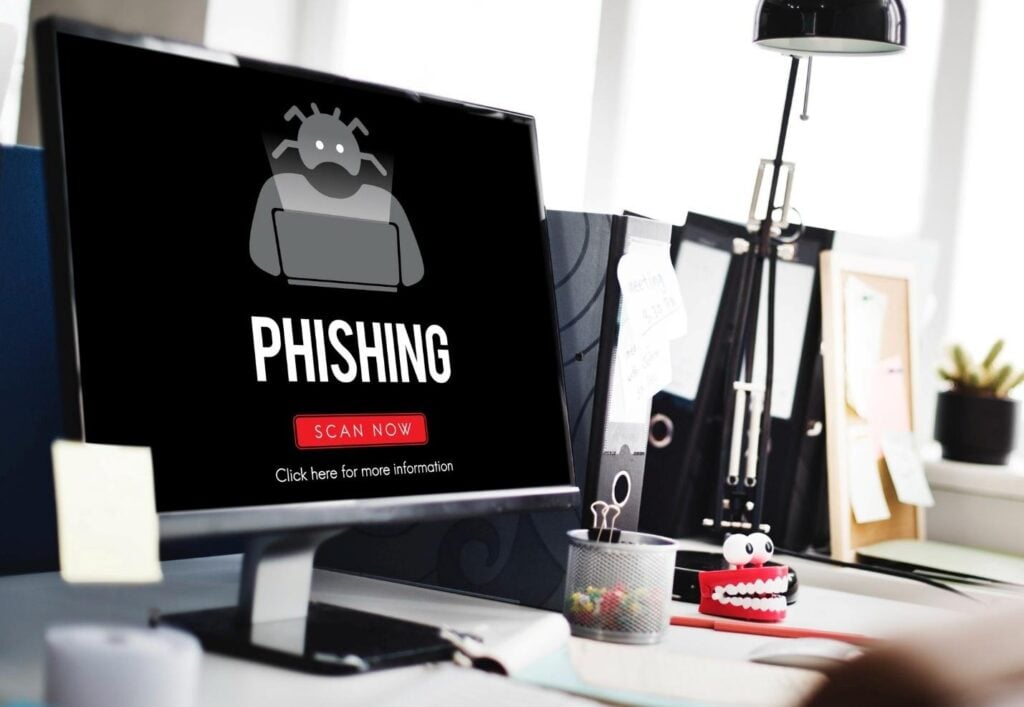
So, what makes fraud in the gaming industry more threatening than ever? It’s due to the modern techniques used, which are discussed in the section below.
Fake Sponsorships and Partnership Emails
Scammers impersonate popular gaming brands with well-crafted offers of paid collaborations, ultimately leading to a site that appears to be a legitimate login portal, where the creator is prompted to provide their account credentials. Since streamers are accustomed to receiving legitimate partnership offers through outreach, this type of scam slips into their inbox without triggering any immediate red flags.
Impersonation of Moderators, Brands, or Platform Support
Attackers also pretend to be trusted figures, maybe a Twitch mod, a Discord admin, or even a platform’s support team. They rely on authority to pressure creators into “urgent verification,” claiming policy violations or community complaints. The goal is simple: get the streamer to react quickly before noticing anything is off.
Malicious Discord Bots and Server Invites
Discord is a primary driver of phishing. Fake bots mask analytical tools, giveaways, or even moderation features and secretly require high-level permissions. Malicious invites can redirect users to clone login pages or scripts that steal tokens the very moment a creator clicks. Once inside, they hardly waste any time; most owners get to realize what has happened after being logged out.
Why Streamer Accounts Hold High Value for Cybercriminals
So, why is an account takeover common for streamers? As shown in an extensive report, Gen Z gaming is a highly exposed domain, making the data there easily accessible. Here, we discuss exactly why streaming accounts hold high values for cybercriminals.
Monetization Tools, Payouts, and Linked Apps
The streamer’s account is connected to ad revenue and subscription payments. Third-party services also facilitate direct payments from users to streamers. Once the attackers gain access, they can simply reroute the payouts or modify financial details, as most systems do not notify users about such changes. In some cases, they harvest personal information associated with those accounts. Even brief control can create lasting damage.
Access to Private Communities and Exclusive Content
Most streamers maintain private channels on Discord, subscriber-only spaces, or early-access content hubs. These communities provide attackers with a direct path to dedicated fans who trust the creator, making it easy to spread malware or phishing links under the streamer’s name.
Audience Reach for Secondary Scams
A compromised channel provides instant reach. They can announce fake giveaways, promote scam links, or even use live chat conversations to push viewers into some sort of scam. The fact that the audience expects real-time updates means that, with a short window of control, large groups can be misled before anyone notices something is wrong.
Conclusion
Phishing threats have evolved in tandem with the rise of streaming, making creator accounts prime targets for attackers whose methods rely on trust and familiarity. As platforms evolve, so do the methods of abuse, from fake sponsorships to impersonation schemes that blur the line between obvious legitimate outreach and hidden trap contacts. Streamers and regular gamers now live in a world where online gaming scam feels personal and are much harder to notice.
Awareness of how these attacks work gives a better chance at protection and slowing down before clicking, logging in, or responding to anything. Awareness is no longer just a precaution; it has become an integral part of being online.



How to Recover Lost Game Files from an External Drive on Mac

Mystery Anime You’ll Regret Starting at Midnight | Part 2

ARC Raiders Frozen Trail Guide: How to Board and Clear the Frigate

Rockstar Games Integrates Advanced Ray Tracing for GTA VI

How to Update Outdated Graphics Drivers for Better Gaming Performance and Higher FPS

The Most Popular Car Game Isn’t Where Players Stay Longest

Canada’s Gaming Audience Is Bigger Than the Old Stereotype

Mystery Anime You’ll Regret Starting at Midnight | Part 1

Anime You’ll Be Glad You Added to Your Fall Watchlist (Part 2) 🍂

WoW Forever Leveling: What Is New on the Road from 1 to 60

MM2 weapon rarity tiers explained for traders

Blox Fruits Physical vs Permanent Fruits: What’s the Difference?

What to Check Before Buying FC 27 Coins Online

Can You Stream Kick on Xbox: Complete Guide for Xbox Users

Pokémon Announces New Movie With a New Hero and Mimikyu

Double-Sentinel Defensive Holds Disrupt Fast Valorant Site Executes
-
 Anime3 weeks ago
Anime You’ll Be Glad You Added to Your Fall Watchlist (Part 2) 🍂
-
 Features2 weeks ago
WoW Forever Leveling: What Is New on the Road from 1 to 60
-
 Esports3 weeks ago
MM2 weapon rarity tiers explained for traders
-
 Features4 weeks ago
Blox Fruits Physical vs Permanent Fruits: What’s the Difference?
-
 Features4 weeks ago
What to Check Before Buying FC 27 Coins Online
-
 Social Media4 weeks ago
Can You Stream Kick on Xbox: Complete Guide for Xbox Users
-
 Anime4 weeks ago
Pokémon Announces New Movie With a New Hero and Mimikyu
-
 Esports4 weeks ago
Double-Sentinel Defensive Holds Disrupt Fast Valorant Site Executes
-
 Features2 weeks ago
Canada’s Gaming Audience Is Bigger Than the Old Stereotype
-
 Anime2 weeks ago
Mystery Anime You’ll Regret Starting at Midnight | Part 1
-

 Features2 weeks ago
8 Underrated PC Games Worth Playing in 2026 (That Aren’t Getting the Attention They Deserve)
-
 Features1 week ago
The Most Popular Car Game Isn’t Where Players Stay Longest