
Features
The Great Return of Retro Horror: Why Low-Poly Fear Hits Harder Than Ever

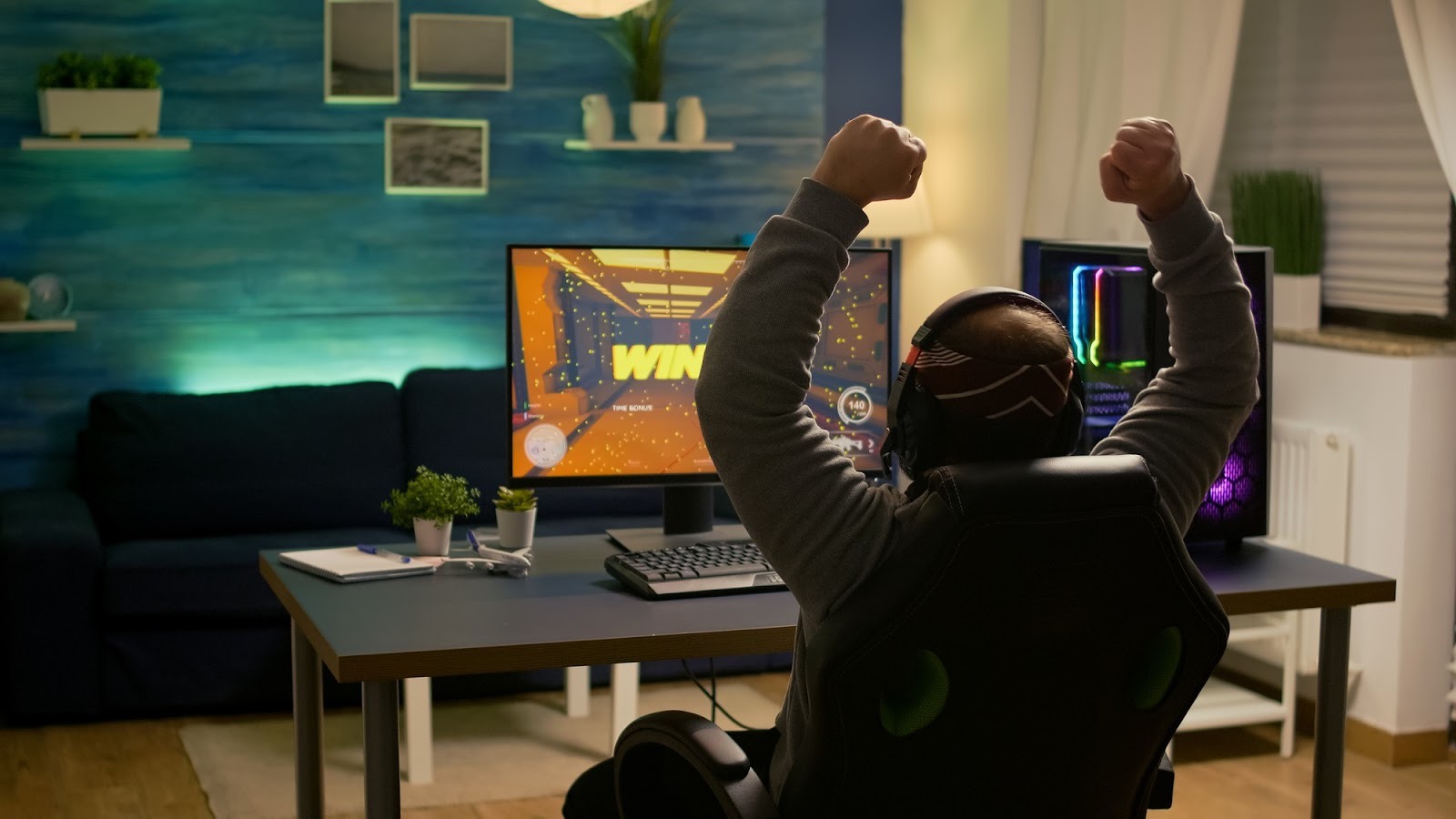
It’s 2025, and horror games look worse. And that’s exactly why they feel better. Indie developers are embracing jagged polygons, blurry textures, and PS1-style graphics to craft fear that cuts deeper than hyper-realistic AAA visuals. What once felt outdated now feels raw and unnervingly real. Somewhere between nostalgia and dread, low-poly horror found its second life. Even casual spaces reflect it: talk about Zula social casino promo code centers on simple mechanics and quick payoffs, not hyper-real skins.
Fear Through Imperfection
Horror once chased realism, now it hunts emotion. Early 3D visuals, mocked for stiffness, now feel unsettling by design. Blurry edges and low resolution leave space for imagination—the brain fills the gaps like an old VHS trick.
In Paratopic, Murder House, and Iron Lung (David Szymanski, 2022), low-poly style builds unease through what it hides. The less you see, the more your mind invents fear.
Players today, accustomed to 4K clarity, find this distortion more disturbing than gore. Imperfection feels organic, unpredictable, alive.
What Makes Imperfection Work
Developers use several techniques to turn roughness into tension:
- Limited visibility: low draw distance and fog build paranoia naturally.
- Janky motion: imperfect animation keeps the player uneasy.
- Texture noise: visual artifacts create subconscious stress.
Together, these flaws recreate the tension of being unsure what’s real. Horror thrives in that uncertainty.
Nostalgia That Bites Back
Retro horror doesn’t comfort—it corrupts. The grainy visuals remind us of childhood gaming, but the content feels darker, lonelier. The Haunted PS1 Demo Disc project, which began in 2020, gathered dozens of indie creators celebrating early 3D horror. Titles like Bloodwash (2021) or JANITOR BLEEDS (2022) twist familiar aesthetics into something rotten. They use nostalgia as bait, then turn it against the player.
That blend of memory and menace explains why fans of early PlayStation titles find these indie horrors irresistible. The games resurrect an era when limits bred creativity, but inject modern themes: digital decay, memory loss, existential dread.
Why Players Keep Coming Back
Fans point to several reasons retro horror endures:
- Emotional familiarity: it feels like rediscovering a dream you forgot.
- Cultural mix: developers borrow from ‘90s games, VHS tapes, and analog photography.
- Accessibility: small teams can release complete games without massive budgets.
Instead of competing with photorealism, these games compete with your imagination.
The Indie Rebellion Against Realism
For indie creators, low-poly horror means freedom. A small team can release Signalis (rose-engine, 2022) or Faith: The Unholy Trinity (Airdorf Games, 2022) and reach players worldwide. With accessible engines like Unity and Godot, entry costs stay low. SteamDB shows horror releases nearly doubled from 2022 to 2024, driven mostly by indie teams. That freedom keeps focus on story and emotion over surface polish.
That creative independence lets developers focus on narrative weight and mood over polish. Rough edges become part of the style, not mistakes.
What Defines the Indie Horror Edge
- Short, self-contained stories with emotional punch.
- Unusual mechanics that amplify tension instead of spectacle.
- Careful use of sound and silence to build pressure.
The result isn’t nostalgia for nostalgia’s sake—it’s control. Developers sculpt fear deliberately, deciding what to reveal and what to hide.
Analog Fear and Sound as a Weapon
Low-poly horror isn’t just visual. It’s also deeply auditory. The hiss of static, looping ambience, and muffled voices work like aural hallucinations. Games like Iron Lung or the Dread X Collection use audio distortion to mimic sensory overload.
Analog sound design adds grit and claustrophobia that pristine digital audio often lacks. The noise feels real, almost physical, like the hum of a dying TV. Horror doesn’t need a jump scare when your own ears betray you.
The Fear of Forgetting
Retro horror connects two primal fears: what hides in the dark and what time erases. Its rough surfaces mirror the way memory fades. Every flicker, every pixel, reminds us that we’re losing something—clarity, control, innocence.
In 2025, when realism dominates, the scariest thing left might be something that looks unreal.



How to Recover Lost Game Files from an External Drive on Mac

Mystery Anime You’ll Regret Starting at Midnight | Part 2

ARC Raiders Frozen Trail Guide: How to Board and Clear the Frigate

Rockstar Games Integrates Advanced Ray Tracing for GTA VI

How to Update Outdated Graphics Drivers for Better Gaming Performance and Higher FPS

The Most Popular Car Game Isn’t Where Players Stay Longest

Canada’s Gaming Audience Is Bigger Than the Old Stereotype

Mystery Anime You’ll Regret Starting at Midnight | Part 1

Anime You’ll Be Glad You Added to Your Fall Watchlist (Part 2) 🍂

WoW Forever Leveling: What Is New on the Road from 1 to 60

MM2 weapon rarity tiers explained for traders

Blox Fruits Physical vs Permanent Fruits: What’s the Difference?

What to Check Before Buying FC 27 Coins Online

Pokémon Announces New Movie With a New Hero and Mimikyu

Double-Sentinel Defensive Holds Disrupt Fast Valorant Site Executes
Canada’s Gaming Audience Is Bigger Than the Old Stereotype
-
 Anime3 weeks ago
Anime You’ll Be Glad You Added to Your Fall Watchlist (Part 2) 🍂
-
 Features2 weeks ago
WoW Forever Leveling: What Is New on the Road from 1 to 60
-
 Esports3 weeks ago
MM2 weapon rarity tiers explained for traders
-
 Features4 weeks ago
Blox Fruits Physical vs Permanent Fruits: What’s the Difference?
-
 Features4 weeks ago
What to Check Before Buying FC 27 Coins Online
-
 Anime4 weeks ago
Pokémon Announces New Movie With a New Hero and Mimikyu
-
 Esports4 weeks ago
Double-Sentinel Defensive Holds Disrupt Fast Valorant Site Executes
-
 Features2 weeks ago
Canada’s Gaming Audience Is Bigger Than the Old Stereotype
-
 Anime2 weeks ago
Mystery Anime You’ll Regret Starting at Midnight | Part 1
-

 Features2 weeks ago
8 Underrated PC Games Worth Playing in 2026 (That Aren’t Getting the Attention They Deserve)
-
 Features1 week ago
The Most Popular Car Game Isn’t Where Players Stay Longest
-

 Features3 weeks ago
Why Sports Games Keep Getting Better at Simulating the Real Thing