
Features
Over-the-Shoulder Innovation: How TPS Changed the Way We See Video Games

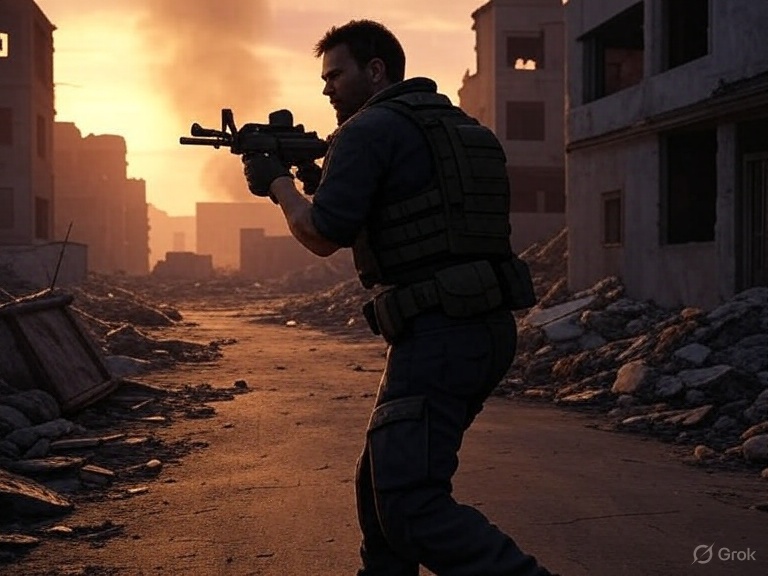
Video games are a medium of perspective. Whether you’re looking through the eyes of a soldier, managing an entire kingdom, or piloting a spaceship, perspective shapes how you experience the story and the mechanics. Few shifts have been as impactful as the rise of the third-person shooter (TPS). By moving the camera just a few feet back, developers fundamentally changed the way players interact with games—turning combat into choreography, exploration into cinema, and storytelling into a more personal experience.
Seeing More Than Just the Gun
The third-person perspective did something simple but revolutionary: it pulled the camera out from behind the barrel of a gun and showed the character in full. This change opened the door to new kinds of design. You weren’t just a floating viewpoint anymore—you were a figure moving through the world, and every roll, dodge, or melee strike became part of the visual spectacle.
It’s no surprise that many of the best TPS Games lean into this cinematic flair. Titles like Uncharted and The Last of Us don’t just give you firefights; they deliver carefully staged set pieces where movement, environment, and camera work combine to feel like playable movies. That sense of spectacle is what made the genre stand out from traditional first-person shooters.
Immersion Through Expression
Third-person shooters allow developers to tell richer stories because you’re always watching the protagonist. Subtle animations—how a character limps after taking damage, reloads under pressure, or reacts to the environment—add layers of personality that first-person views can’t match. Instead of a faceless soldier, you’re connected to a protagonist whose journey feels more human.
Games like Tomb Raider or Gears of War prove how effective this can be. Lara Croft’s struggle is amplified by every strained movement you see on-screen, while Marcus Fenix and his squad become larger-than-life not just through dialogue, but through how they carry themselves in battle. Watching these characters act and react creates a bond that elevates gameplay into storytelling.
Innovation in Mechanics and Level Design
The camera shift didn’t just affect visuals—it reinvented mechanics. The introduction of cover systems, for example, was born out of third-person perspectives. Suddenly, players could see themselves slide against a wall, peek over, and return fire. This wasn’t just functional; it was cinematic. It gave every firefight rhythm and flow, like an action sequence directed just for you.
Level design also evolved. Developers could build vertical environments where climbing, dodging, and environmental destruction played as big a role as shooting. In Control, debris floats around the protagonist as you fling objects with telekinesis, while in Resident Evil 4, every over-the-shoulder encounter ratchets up the tension by forcing you to manage both vision and vulnerability.
Why the Perspective Still Matters Today
More than a decade after TPS became mainstream, the formula still thrives. Players crave the balance of immersion and spectacle. The camera placement makes games feel bigger without sacrificing intimacy—you’re watching the story unfold while still being at the center of it.
That’s why the genre continues to dominate blockbuster gaming. Whether it’s narrative-heavy adventures or competitive shooters, the third-person perspective ensures that games are as fun to watch as they are to play.
Final Thoughts
The third-person shooter changed gaming by doing something deceptively simple: letting us see ourselves in the action. That over-the-shoulder perspective brought with it innovation in storytelling, mechanics, and cinematic design that still defines some of the industry’s most iconic titles. If you’re curious about exploring this genre further, Eneba digital marketplace makes it easy to discover and dive into the TPS games that set the standard for immersive action.



Table and Mini Games In Grand Theft Auto 6 – What Can We Expect?

How to Recover Lost Game Files from an External Drive on Mac

Mystery Anime You’ll Regret Starting at Midnight | Part 2

ARC Raiders Frozen Trail Guide: How to Board and Clear the Frigate

Rockstar Games Integrates Advanced Ray Tracing for GTA VI

How to Update Outdated Graphics Drivers for Better Gaming Performance and Higher FPS

The Most Popular Car Game Isn’t Where Players Stay Longest

Canada’s Gaming Audience Is Bigger Than the Old Stereotype

Anime You’ll Be Glad You Added to Your Fall Watchlist (Part 2) 🍂

WoW Forever Leveling: What Is New on the Road from 1 to 60

MM2 weapon rarity tiers explained for traders
Canada’s Gaming Audience Is Bigger Than the Old Stereotype

8 Underrated PC Games Worth Playing in 2026 (That Aren’t Getting the Attention They Deserve)

Mystery Anime You’ll Regret Starting at Midnight | Part 1
The Most Popular Car Game Isn’t Where Players Stay Longest
ARC Raiders Frozen Trail Guide: How to Board and Clear the Frigate
-
 Anime4 weeks ago
Anime You’ll Be Glad You Added to Your Fall Watchlist (Part 2) 🍂
-
 Features3 weeks ago
WoW Forever Leveling: What Is New on the Road from 1 to 60
-
 Esports3 weeks ago
MM2 weapon rarity tiers explained for traders
-
 Features2 weeks ago
Canada’s Gaming Audience Is Bigger Than the Old Stereotype
-
 Features3 weeks ago
8 Underrated PC Games Worth Playing in 2026 (That Aren’t Getting the Attention They Deserve)
-
 Anime2 weeks ago
Mystery Anime You’ll Regret Starting at Midnight | Part 1
-
 Features2 weeks ago
The Most Popular Car Game Isn’t Where Players Stay Longest
-
 Features1 week ago
ARC Raiders Frozen Trail Guide: How to Board and Clear the Frigate
-

 Features3 weeks ago
Why Sports Games Keep Getting Better at Simulating the Real Thing
-
 Gaming News2 weeks ago
Rockstar Games Integrates Advanced Ray Tracing for GTA VI
-

 Features3 weeks ago
From Consoles to Phones: How Canadian Gaming Became an Anytime Experience
-
 Anime1 week ago
Mystery Anime You’ll Regret Starting at Midnight | Part 2