
Culture
How Many Hours Can You Game Daily Without Tanking Your Essays?

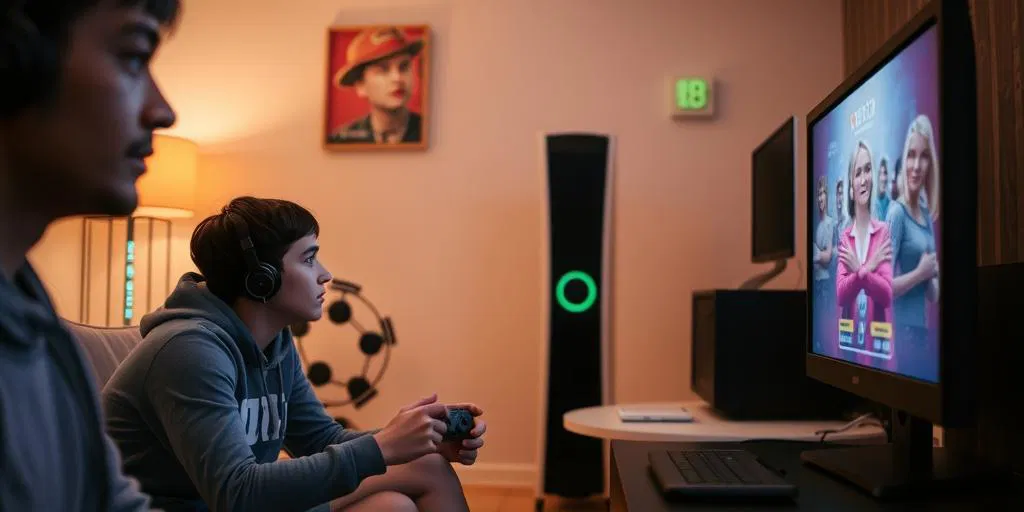
Let’s be real. You’ve got that new game waiting. Your friends are online right now. But you’ve also got three essays due this week. The struggle is real. How much gaming can you get away with and still pass your classes?
Finding Your Gaming-Study Balance: It’s Personal
The magic number isn’t the same for everyone. Some students can game for three hours and still ace their papers. Others touch a controller for 30 minutes and their grades slip. What gives?
Your capacity depends on several factors. How quickly you write. How well you understand the material. How much sleep you need. A 2021 Pew Research study found something interesting. About 70% of college students call themselves “gamers.” But their grades vary wildly.
Some students buy homework help to free up gaming time. This works for some. But it doesn’t build your own skills. And it costs a lot.
Science offers a surprise. Short gaming sessions might help your brain. Under an hour can improve focus. Dr. Daphne Bavelier studies this. She works at the University of Geneva. She found action games can boost attention skills. So maybe that quick match isn’t so bad?
Warning Signs: When Gaming Affects Your Essays
How do you know if your Fortnite habit is hurting your English grade? The signs are pretty clear if you’re honest.
How gaming affects academic performance shows up in patterns. Your writing gets worse. Arguments make less sense. Citations get messy. That essay written at 3 AM after gaming for six hours? Professors spot it instantly.
Time tracking apps reveal hard truths. Many students undercount their gaming time by 40-60%. That “quick hour” of gaming stretches to three without you noticing. Meanwhile, your essay has barely started.
Physical signs appear too. Eye strain. Headaches. Bad sleep. All these hurt your thinking. When you’re tired from gaming all night, your brain can’t create good arguments or analyze texts.
- Warning signs gaming is hurting your academics:
- Missing deadlines or asking for extensions
- Writing entire papers the night before due dates
- Choosing gaming over starting assignments
- Grades dropping even though you understand the material
- Getting cranky when you can’t game
The Sweet Spot: Daily Gaming Hours for Students
So what’s the actual number? Daily gaming hours for students that won’t tank your GPA is about 7-10 hours per week. That’s roughly 1-1.5 hours daily. Maybe a longer session on weekends.
This isn’t a random number. A 2019 University of Oxford study found something cool. People who played games for less than an hour daily felt better than non-gamers. But play more than 3 hours daily? The benefits vanished.
When you play matters too. Gaming right after classes works better. Use it as a short break. Late-night sessions are worse. Your brain is tired by evening. That’s when you should write, not raid.
Game choice matters. Story games with clear stopping points are easier to quit. Endless multiplayer games keep you playing “just one more match.” Strategy games might even help with thinking skills for essays.
Time Management Strategies That Actually Work
Managing time between gaming and school doesn’t mean quitting games. It means being smarter about when you play.
The Pomodoro Technique works well for gamers. Study hard for 25 minutes. Reward yourself with 5 minutes of gaming. After four rounds, take a longer 15-30 minute gaming break. This keeps both activities in small chunks.
Set alarms. Not just for when to stop gaming. Set them for when to start studying too. Don’t use your phone for this. It’s too easy to ignore. A kitchen timer works better. It’s annoying enough that you’ll respond.
The “gaming as reward” system works for many students. Figure out how long an assignment should take. Finish it. Then allow gaming time equal to half your study time. This creates a good cycle.
- Effective time management for student gamers:
- Use gaming as a reward, not a default activity
- Schedule gaming hours that don’t clash with peak study times
- Join study groups that meet when your friends typically game
- Use apps that block gaming during study times
- Create separate user accounts for studying vs. gaming
When Gaming Becomes a Problem
There’s a line between hobby and problem. Negative effects of excessive gaming go beyond bad grades. They include health problems. Social isolation. Even depression when gaming replaces other activities.
The World Health Organization now recognizes “gaming disorder” as real. The main sign? Choosing games over life duties despite bad results. Like failing classes or losing scholarships.
Sleep problems might hurt academics most. Screen light messes with your sleep hormones. Students who game until bedtime sleep poorly. This directly hits thinking skills the next day.
Professional editors of KingEssays check all essays, ensuring high-quality and error-free content delivery. But even pros can’t save a paper with no thought behind it. Services can polish your work. They can’t create the substance if gaming took all your thinking time.
Finding Your Personal Formula
Balancing video games and studying comes down to honest self-check. Some students handle more gaming than others. Ask yourself: Are your grades good enough? Are you proud of your work quality? Do you always stress about deadlines?
Try different schedules for a few weeks. Track your gaming hours and grades. Look for patterns. The results might surprise you. Maybe you can handle more gaming. Or maybe those “quick games” last longer than you thought.
Think about your assignment types too. Creative writing might benefit from gaming breaks. Research papers needing long focus might suffer more from gaming breaks.
The best approach? See gaming as part of life, not your whole life. When games add to academics instead of fighting them, they provide good mental breaks. This makes study time more effective.
For most students, it’s not about quitting gaming. It’s about controlling it. Master this balance and you’ll enjoy both games and studies more. You’ll be free from the guilt of unfinished work.



How to Recover Lost Game Files from an External Drive on Mac

Mystery Anime You’ll Regret Starting at Midnight | Part 2

ARC Raiders Frozen Trail Guide: How to Board and Clear the Frigate

Rockstar Games Integrates Advanced Ray Tracing for GTA VI

How to Update Outdated Graphics Drivers for Better Gaming Performance and Higher FPS

The Most Popular Car Game Isn’t Where Players Stay Longest

Canada’s Gaming Audience Is Bigger Than the Old Stereotype

Mystery Anime You’ll Regret Starting at Midnight | Part 1

Anime You’ll Be Glad You Added to Your Fall Watchlist (Part 2) 🍂

WoW Forever Leveling: What Is New on the Road from 1 to 60

MM2 weapon rarity tiers explained for traders

Blox Fruits Physical vs Permanent Fruits: What’s the Difference?

What to Check Before Buying FC 27 Coins Online

Pokémon Announces New Movie With a New Hero and Mimikyu

Double-Sentinel Defensive Holds Disrupt Fast Valorant Site Executes
Canada’s Gaming Audience Is Bigger Than the Old Stereotype
-
 Anime3 weeks ago
Anime You’ll Be Glad You Added to Your Fall Watchlist (Part 2) 🍂
-
 Features2 weeks ago
WoW Forever Leveling: What Is New on the Road from 1 to 60
-
 Esports3 weeks ago
MM2 weapon rarity tiers explained for traders
-
 Features4 weeks ago
Blox Fruits Physical vs Permanent Fruits: What’s the Difference?
-
 Features4 weeks ago
What to Check Before Buying FC 27 Coins Online
-
 Anime4 weeks ago
Pokémon Announces New Movie With a New Hero and Mimikyu
-
 Esports4 weeks ago
Double-Sentinel Defensive Holds Disrupt Fast Valorant Site Executes
-
 Features2 weeks ago
Canada’s Gaming Audience Is Bigger Than the Old Stereotype
-
 Anime2 weeks ago
Mystery Anime You’ll Regret Starting at Midnight | Part 1
-
 Features3 weeks ago
Why Sports Games Keep Getting Better at Simulating the Real Thing
-

 Features2 weeks ago
8 Underrated PC Games Worth Playing in 2026 (That Aren’t Getting the Attention They Deserve)
-
 Features1 week ago
The Most Popular Car Game Isn’t Where Players Stay Longest