
Features
From Players to Powerhouses: How Gaming Influencers Are Driving Industry Trends

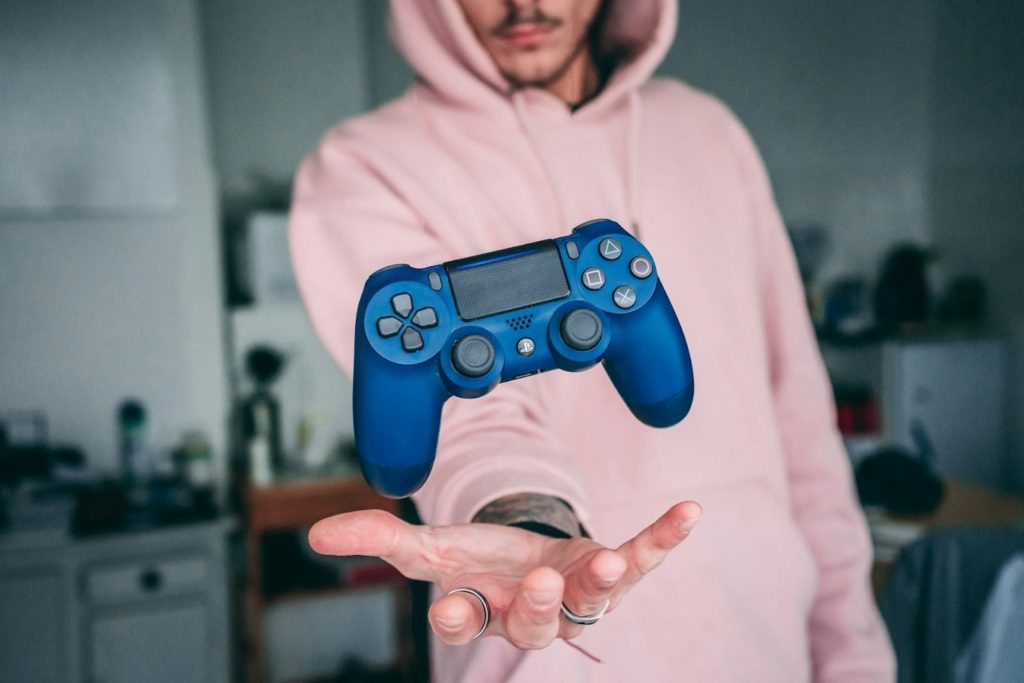
Not too long ago, gaming influencers were just gamers sharing their hobby online. They streamed from cramped bedrooms, reviewed games for a handful of followers, and built small communities around a shared passion.
Fast-forward to 2025, and those same players are now some of the most powerful voices in the industry—able to move markets, shape gaming culture, and influence how developers make and market their games.
From the launch-day hype trains to long-tail community support, influencers are no longer just part of the conversation—they are the conversation.
The Evolution: From Hobby to Industry Power
The rise of gaming influencers started with accessibility. Platforms like YouTube and Twitch allowed anyone to stream their gameplay or share reviews without needing a big media budget.
Over time, a few creators stood out—not just because they were skilled players, but because they could connect, entertain, and earn the trust of their audiences.
That trust is gold. It’s the reason why a casual recommendation in a stream can cause a spike in game sales, or why a single negative review can change a studio’s PR strategy overnight.
How Influencers Shape Gaming Trends
Gaming influencers are trendsetters in ways traditional marketing can’t replicate. They don’t just play games—they frame how audiences experience them. When a popular creator zeroes in on a specific genre, style, or gameplay mechanic, the ripple effect can be massive. Entire communities can shift their attention almost overnight.
Think about it—battle royale didn’t just “happen” as a global phenomenon. It caught firewhen streamers started showcasing PUBG and Fortnite to millions of viewers.The same thing happened with cozy indie sims;games like Stardew Valley saw a huge revival during the pandemic when influencers started streaming their laid-back, feel-good gameplay.
That kind of visibility doesn’t just influence what people play—it changes how they play and even inspires what developers decide to make next.
Case Studies: Influence in Action
- Shroud – Known for his sharpshooting skills, Shroud’s adoption of any shooter instantly boosts its player base. When he streams a lesser-known FPS, it often sees a huge jump in active players.
- Pokimane – With her mix of gaming and lifestyle content, Pokimane introduces casual audiences to titles they might never have considered, expanding market reach.
- Slot Hopper – While traditional slot and casino-style gaming isn’t mainstream, Slot Hopper has carved out a loyal following with engaging, high-energy streams that make a niche genre accessible and fun. It’s proof that with the right personality and content style, even specialized games can find mass appeal.
The Business of Influence: Brand and Developer Partnerships
Gaming companies know the value of influencer reach, and partnerships are now a cornerstone of game marketing. This can mean:
- Sponsorships and Endorsements – Direct payment for promoting a game or related product.
- Early Access and Beta Testing – Letting influencers showcase games before release, building anticipation and feedback loops.
- Event Appearances – From esports tournaments to gaming conventions, influencers act as brand ambassadors in physical spaces as well as online.
When done right, these relationships are mutually beneficial—developers get authentic promotion, and influencers strengthen their brand authority.
Communities Built Around Creators
Influencer-driven communities aren’t just fan clubs—they’re active hubs that sustain a game’s long-term success. These communities create fan art, organize tournaments, share strategies, and keep the conversation alive months (or years) after launch.
For developers, this is a goldmine. A dedicated influencer community can breathe new life into older titles, keep DLC sales strong, and attract new players purely through community-driven buzz.
What This Means for the Future of Gaming
Looking ahead, the line between player and industry insider will keep blurring. Influencers will have a hand in everything from alpha-stage testing to post-launch balancing. Studios may start building games with specific influencer audiences in mind, tailoring mechanics or features to maximize streaming appeal.
Esports will also continue to be shaped by influencer involvement, with creators bridging the gap between competitive and casual audiences. And as new platforms like AR and cloud gaming gain traction, influencers will be the ones showing the world what’s possible.
The Takeaway
Gaming influencers aren’t just playing games—they’re steering the industry. They guide trends, influence design decisions, and shape how communities form and grow. Whether you’re a gamer, a developer, or a brand, ignoring their role in the ecosystem is a mistake.
The next time you see a surge in a game’s player count, chances are it didn’t start with a billboard or TV ad—it started with a player, a camera, and an audience ready to follow their lead.
Image Source: Unsplash



How to Recover Lost Game Files from an External Drive on Mac

Mystery Anime You’ll Regret Starting at Midnight | Part 2

ARC Raiders Frozen Trail Guide: How to Board and Clear the Frigate

Rockstar Games Integrates Advanced Ray Tracing for GTA VI

How to Update Outdated Graphics Drivers for Better Gaming Performance and Higher FPS

The Most Popular Car Game Isn’t Where Players Stay Longest

Canada’s Gaming Audience Is Bigger Than the Old Stereotype

Mystery Anime You’ll Regret Starting at Midnight | Part 1

Anime You’ll Be Glad You Added to Your Fall Watchlist (Part 2) 🍂

WoW Forever Leveling: What Is New on the Road from 1 to 60

MM2 weapon rarity tiers explained for traders

Blox Fruits Physical vs Permanent Fruits: What’s the Difference?

What to Check Before Buying FC 27 Coins Online

Double-Sentinel Defensive Holds Disrupt Fast Valorant Site Executes
Canada’s Gaming Audience Is Bigger Than the Old Stereotype

Why Sports Games Keep Getting Better at Simulating the Real Thing
-
 Anime3 weeks ago
Anime You’ll Be Glad You Added to Your Fall Watchlist (Part 2) 🍂
-
 Features3 weeks ago
WoW Forever Leveling: What Is New on the Road from 1 to 60
-
 Esports3 weeks ago
MM2 weapon rarity tiers explained for traders
-
 Features4 weeks ago
Blox Fruits Physical vs Permanent Fruits: What’s the Difference?
-
 Features4 weeks ago
What to Check Before Buying FC 27 Coins Online
-
 Esports4 weeks ago
Double-Sentinel Defensive Holds Disrupt Fast Valorant Site Executes
-
 Features2 weeks ago
Canada’s Gaming Audience Is Bigger Than the Old Stereotype
-
 Features3 weeks ago
Why Sports Games Keep Getting Better at Simulating the Real Thing
-
 Anime2 weeks ago
Mystery Anime You’ll Regret Starting at Midnight | Part 1
-

 Features3 weeks ago
8 Underrated PC Games Worth Playing in 2026 (That Aren’t Getting the Attention They Deserve)
-
 Features1 week ago
The Most Popular Car Game Isn’t Where Players Stay Longest
-

 Features3 weeks ago
From Consoles to Phones: How Canadian Gaming Became an Anytime Experience