
Features
How Sustainability is Rebuilding Gaming Foundations

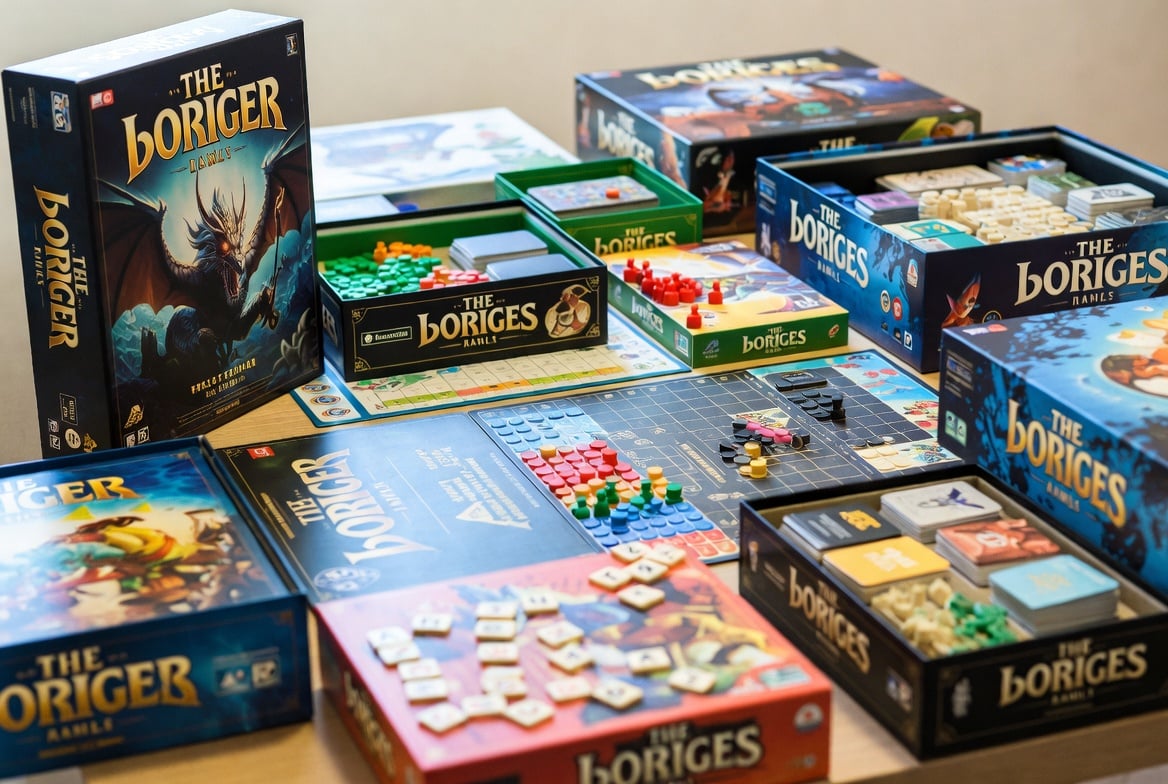
For the better part of the last decade, the board gaming industry was defined by what critics often called the “Plastic Baroque” era. Massive boxes stuffed with intricate polyvinyl chloride (PVC) miniatures became the standard for success on crowdfunding platforms. However, as we move through 2026, a radical shift toward minimalism and environmental accountability has taken hold. Modern consumers, acutely aware of the climate crisis, have begun questioning the carbon footprint of their favorite titles. In response, publishers are embracing a massive resurgence of natural materials, with certified wood leading the charge to redefine the meaning of “premium” quality.
This transition represents far more than a simple change in raw materials; it is a total reassessment of aesthetics and functionality. Wood, once associated only with the basic cubes of vintage strategy games, is now undergoing a high-tech makeover. Thanks to advanced laser-cutting techniques and eco-friendly digital printing, wooden components now offer a level of detail that was previously thought to be the exclusive domain of plastic molds.
Strategic Pivots in Modern Game Design
Publishers can no longer ignore the reality that manufacturing thousands of plastic miniatures in distant factories and shipping them across the globe creates an immense environmental toll. Sustainability has moved from a PR talking point to a core pillar of corporate strategy for the industry’s biggest players. This change is driven by a combination of new legal regulations and grassroots pressure from gaming communities who refuse to let their hobby contribute to ecosystem degradation.
Moving from Polymers to Organic Foundations
The primary challenge for designers today is replacing the durability and precision of plastic with biodegradable alternatives. Beech, birch, and bamboo have emerged as frontrunners due to their renewability and structural stability. Modern production methods allow for the creation of “screen-printed meeples”—wooden figures with high-definition details printed on both sides. These components often surpass unpainted gray plastic miniatures in both clarity and shelf appeal.
Wood as the New Luxury Standard
Now, “eco-friendly” no longer equates to “budget.” On the contrary, wooden components are increasingly positioned as high-end luxury items. The haptics of wood—its weight, warmth, and unique texture—provide a sensory experience that plastic simply cannot replicate. Players appreciate the fact that every wooden token or figure is one-of-a-kind due to the natural grain, giving each game a sense of heritage and bespoke character.
Digital Ecosystems and the Demand for Transparency
Implementing ecological standards requires strong informational support. Consumers need to understand why a product’s price point might be slightly higher and what specific benefits come from choosing certified materials. In this process, digital tools play a vital role in ensuring transparent communication and the verification of production standards.
Verifying Standards through Modern Systems
Sophisticated online gaming platforms, like slotoro, serve as more than just a place for reviews; it has become a hub where environmental parameters are scrutinized as closely as game balance or mechanics. Users now seek out reliable data regarding material sourcing and environmental certifications. Transparency has become the new standard for the entertainment industry. Much like service platforms that prioritize data security, the world of physical gaming builds trust through clear declarations regarding sustainable production and the protection of natural resources.
Logistics and Carbon Footprints in the Supply Chain
The shift to wood is also forcing a revolution in logistics. Wooden components are frequently produced closer to the end consumer, drastically shortening the journey from the factory to the tabletop. European and North American publishers are increasingly sourcing production from regional wood-turning facilities, utilizing FSC-certified timber. This move helps avoid the massive port delays and volatile freight costs that paralyzed the market in recent years.
Reducing plastic usage extends to the interior of the box as well. Plastic vacuum-formed inserts are being replaced by modular designs made from recycled cardboard or biodegradable molded pulp. Even the shrink-wrap on the exterior is being phased out in favor of paper seals, eliminating single-use plastics from the very moment a player begins the unboxing experience.
Production Challenges and the Horizon of Bio-materials
Despite the widespread enthusiasm, the industry faces real technical hurdles. Producing complex, three-dimensional shapes from wood is inherently more difficult than injecting molten plastic into a mold. This requires designers to exercise greater discipline and creativity, simplifying forms without losing their iconic recognition.
To bridge this gap, the industry is experimenting with several hybrid materials:
- Plant fibers: Composites based on hemp or corn starch that can be molded similarly to traditional plastics.
- Compressed recycled paper: High-pressure techniques that offer a hardness and durability comparable to hardwood.
- Natural pigments: The elimination of toxic paints in favor of vegetable-based dyes and soy inks.
The future likely belongs to hybrid solutions where digital rulebooks and companion apps reduce the need for paper, while the physical components remain durable, natural, and fully renewable.
Pragmatic Steps Toward a Greener Future
Ultimately, the retreat from plastic in gaming is not a passing trend but a fundamental change in the philosophy of consumption. The board game industry is proving that it is possible to create products of high artistic and entertainment value without overtaxing the planet. Swapping plastic bags for cotton pouches and PVC for birch is a series of small changes that, on a global scale, carry significant weight.
For the player, this is a time of conscious choice. By selecting responsibly produced games, we are not only investing in quality that will last for generations but also supporting companies that see the world through a lens wider than simple sales figures. Ecology and entertainment have found a common language on the game board, and the community is the primary beneficiary of this greener, more tactile future.



Table and Mini Games In Grand Theft Auto 6 – What Can We Expect?

How to Recover Lost Game Files from an External Drive on Mac

Mystery Anime You’ll Regret Starting at Midnight | Part 2

ARC Raiders Frozen Trail Guide: How to Board and Clear the Frigate

Rockstar Games Integrates Advanced Ray Tracing for GTA VI

How to Update Outdated Graphics Drivers for Better Gaming Performance and Higher FPS

The Most Popular Car Game Isn’t Where Players Stay Longest

Canada’s Gaming Audience Is Bigger Than the Old Stereotype

Anime You’ll Be Glad You Added to Your Fall Watchlist (Part 2) 🍂

WoW Forever Leveling: What Is New on the Road from 1 to 60

MM2 weapon rarity tiers explained for traders
Canada’s Gaming Audience Is Bigger Than the Old Stereotype

Why Sports Games Keep Getting Better at Simulating the Real Thing

Mystery Anime You’ll Regret Starting at Midnight | Part 1
The Most Popular Car Game Isn’t Where Players Stay Longest

8 Underrated PC Games Worth Playing in 2026 (That Aren’t Getting the Attention They Deserve)
-
 Anime3 weeks ago
Anime You’ll Be Glad You Added to Your Fall Watchlist (Part 2) 🍂
-
 Features3 weeks ago
WoW Forever Leveling: What Is New on the Road from 1 to 60
-
 Esports3 weeks ago
MM2 weapon rarity tiers explained for traders
-
 Features2 weeks ago
Canada’s Gaming Audience Is Bigger Than the Old Stereotype
-
 Features3 weeks ago
Why Sports Games Keep Getting Better at Simulating the Real Thing
-
 Anime2 weeks ago
Mystery Anime You’ll Regret Starting at Midnight | Part 1
-
 Features1 week ago
The Most Popular Car Game Isn’t Where Players Stay Longest
-
 Features3 weeks ago
8 Underrated PC Games Worth Playing in 2026 (That Aren’t Getting the Attention They Deserve)
-
 Gaming News1 week ago
Rockstar Games Integrates Advanced Ray Tracing for GTA VI
-

 Features3 weeks ago
From Consoles to Phones: How Canadian Gaming Became an Anytime Experience
-
 Guides4 weeks ago
Minecraft All Biomes Seeds for Players Who Love Exploring
-
 Features6 days ago
ARC Raiders Frozen Trail Guide: How to Board and Clear the Frigate