
Features
Why We Romanticize and Glorify War in Video Games

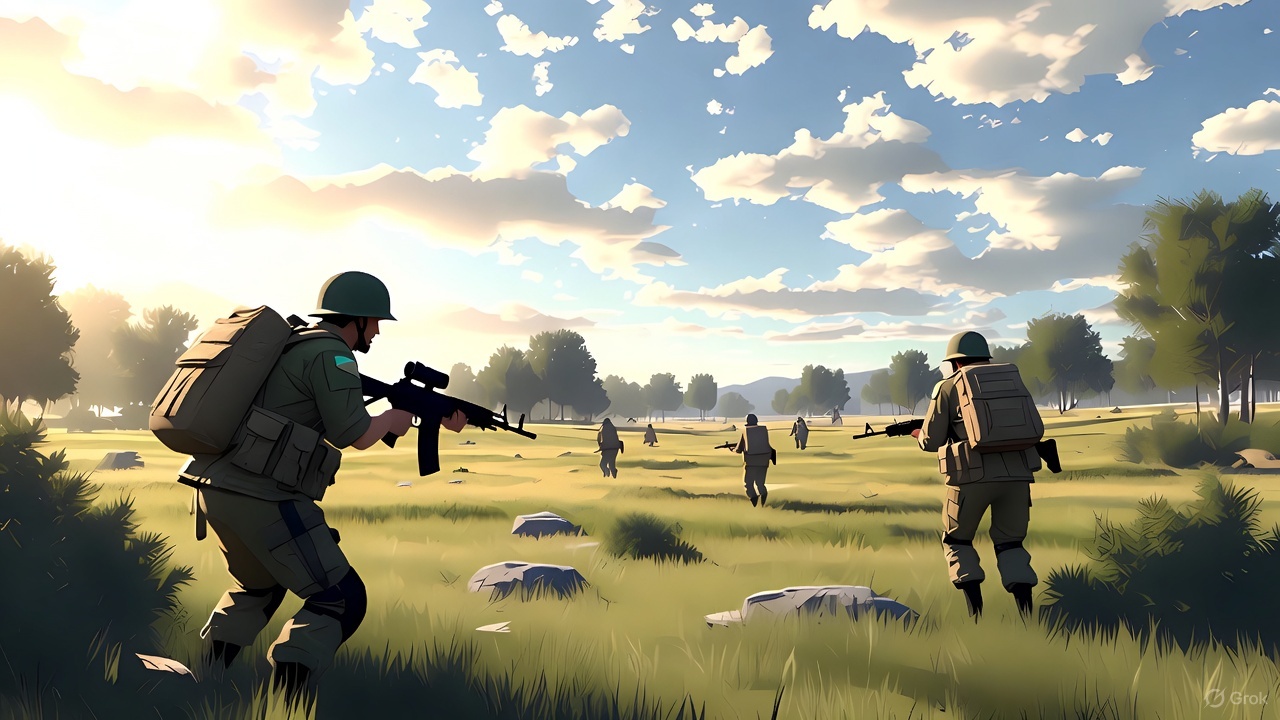
War games sell well. They sell spectacle, stakes, and a neat emotional package: danger plus agency equals drama. But beyond marketing, there are deeper cultural and psychological reasons we so often turn armed conflict into candy-coated entertainment — from blockbuster shooters to ultra-polished historical epics.
If you want to see the phenomenon in action, many players grab a Call of Duty: Black Ops 7 key and jump into cinematic set pieces and morally simplified narratives; the ease of access helps illustrate how quickly spectacle can replace nuance. But grabbing a key is only the start — understanding why we forgive, frame, and even applaud virtual war takes a little unpacking.
The mechanics of glamour: why games make war feel heroic
Design choices that favour drama
- Cinematic framing: Camera shake, slow-motion kills, and triumphant music turn small skirmishes into Hollywood moments.
- Clear goals and feedback: Capture the point, win the round—games simplify complexity into measurable wins, and winners feel heroic.
- Player agency: Unlike passive media, games let you act in the scenario. Agency creates identification with the protagonist, and identification breeds empathy — or glorification.
Those design features are not mistakes; they’re deliberate. Games are entertainment products, and drama sells.
Psychological pulls: thrill, mastery, and identity
War games trigger core human drives. They offer:
- Adrenaline in a safe container: Combat-like stressors (timers, enemies, close calls) produce rushes without real-world risk.
- Mastery and competence: Improving aim, tactics, or leadership gives measurable progress — trophies of skill.
- Tribal belonging: Team-based modes build loyalty and shared narratives; squads feel like micro-societies.
Together, these drivers make the “hero in uniform” an appealing identity to inhabit for hours on end.
Cultural framing and simplified narratives
Games often flatten historical complexity into clear-cut stories because nuance is messy and hard to gamify. When developers want an accessible arc, moral ambiguity gets trimmed for pacing. That produces two effects:
- War becomes a stage for individual heroism rather than a system of politics, economics, and civilian harm.
- National or ideological rhetoric creeps in through character dialogue, mission goals, or reward structures, which can unintentionally romanticize conflict.
The ethical counterweight: critique and alternatives
Not all war games glorify conflict. Titles like This War of Mine and Spec Ops: The Line purposefully confront the costs of violence and moral compromise. These games show that the medium can do more than spectacle — it can provoke reflection.
Quick guide for thoughtful play
- Seek out games that interrogate, not just dramatize.
- Balance blockbuster shooters with perspective-driven experiences.
- Talk about what you play: streaming and discussion help unpack the themes.
Final thought
We romanticize war in games because design, psychology, and culture align to make it emotionally satisfying and socially sharable. That doesn’t mean glorification is inevitable or harmless — it’s a design choice with consequences. If you want to experience the spectacle, or explore deeper takes on conflict, remember access is simple: picking up a Call of Duty: Black Ops 7 key gets you into the blockbuster side of the medium, while indie and auteur titles offer reflective alternatives. And when you’re ready to buy, digital marketplaces like Eneba make finding keys and editions straightforward — so you can choose what kind of story you want to play.



How to Recover Lost Game Files from an External Drive on Mac

Mystery Anime You’ll Regret Starting at Midnight | Part 2

ARC Raiders Frozen Trail Guide: How to Board and Clear the Frigate

Rockstar Games Integrates Advanced Ray Tracing for GTA VI

How to Update Outdated Graphics Drivers for Better Gaming Performance and Higher FPS

The Most Popular Car Game Isn’t Where Players Stay Longest

Canada’s Gaming Audience Is Bigger Than the Old Stereotype

Mystery Anime You’ll Regret Starting at Midnight | Part 1

Anime You’ll Be Glad You Added to Your Fall Watchlist (Part 2) 🍂

WoW Forever Leveling: What Is New on the Road from 1 to 60

MM2 weapon rarity tiers explained for traders

Blox Fruits Physical vs Permanent Fruits: What’s the Difference?

What to Check Before Buying FC 27 Coins Online

Pokémon Announces New Movie With a New Hero and Mimikyu

Double-Sentinel Defensive Holds Disrupt Fast Valorant Site Executes
Canada’s Gaming Audience Is Bigger Than the Old Stereotype
-
 Anime3 weeks ago
Anime You’ll Be Glad You Added to Your Fall Watchlist (Part 2) 🍂
-
 Features3 weeks ago
WoW Forever Leveling: What Is New on the Road from 1 to 60
-
 Esports3 weeks ago
MM2 weapon rarity tiers explained for traders
-
 Features4 weeks ago
Blox Fruits Physical vs Permanent Fruits: What’s the Difference?
-
 Features4 weeks ago
What to Check Before Buying FC 27 Coins Online
-
 Anime4 weeks ago
Pokémon Announces New Movie With a New Hero and Mimikyu
-
 Esports4 weeks ago
Double-Sentinel Defensive Holds Disrupt Fast Valorant Site Executes
-
 Features2 weeks ago
Canada’s Gaming Audience Is Bigger Than the Old Stereotype
-
 Anime2 weeks ago
Mystery Anime You’ll Regret Starting at Midnight | Part 1
-

 Features3 weeks ago
Why Sports Games Keep Getting Better at Simulating the Real Thing
-

 Features3 weeks ago
8 Underrated PC Games Worth Playing in 2026 (That Aren’t Getting the Attention They Deserve)
-
 Features1 week ago
The Most Popular Car Game Isn’t Where Players Stay Longest