
Features
Trading Boss Battles for Beetroots: Why We’re All Obsessed with Cozy Gaming

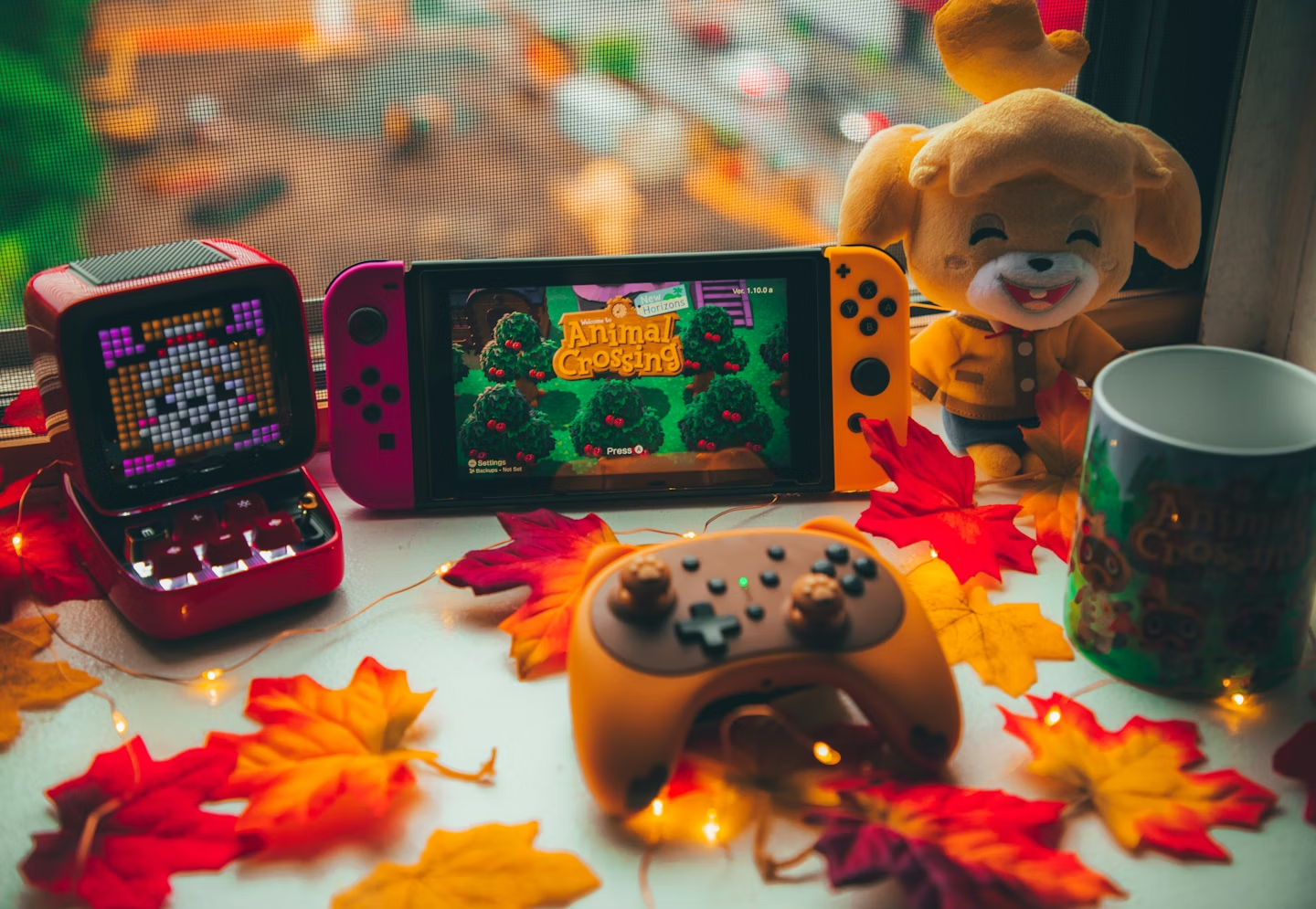
In 2026, the gaming landscape offers an abundance of choices. We have hyper-realistic shooters that immerse us in warzones, expansive open worlds with dragons soaring over detailed mountains, and intense online arenas where victory or defeat rests on every timed button press.
Yet, after a long day of real-world stress, many no longer crave the power fantasy of slaying beasts or conquering digital empires. Instead, the true escape lies in the quiet satisfaction of watering virtual crops, decorating a pixelated house, or catching a rare fish in a peaceful digital pond.
This is the era of “cozy gaming,” a genre that has moved from niche to mainstream in how we unwind. Animal Crossing, Stardew Valley, Spiritfarer, and many others offer an antidote to the frantic pace of modern life. They trade boss battles for the soothing routine of daily chores, showing that engaging gameplay can simply provide peace.
This shift toward low-stakes, high-immersion activities isn’t just limited to farming simulators. We see a similar “slow gaming” trend in how players engage with mini-games in massive RPGs.
Whether it is sitting down for a hand of Gwent in The Witcher 3 or finding a quiet corner in a saloon in Red Dead Redemption 2, there is something deeply grounding about a familiar card game in a virtual space.
For those who enjoy that strategic mental break but want to step outside the narrative of a single-player world, many often look for the best online poker sites in Australia to find that same blend of strategy and relaxation in a more social, dedicated environment. In 2026, the greatest power fantasy isn’t being a god; it’s having the time and the peace of mind to simply enjoy the small things.
The Allure of Predictable Progress
A key draw of cozy games is their steady sense of progress. Mainstream titles often gate advancement with skill barriers, random rewards, or tough puzzles that frustrate more than relax. Cozy games take another approach: every seed matures, every fish fills a quota, every crafted item completes a collection. Rewards are assured if you invest time.
This predictability creates a calming feedback loop. Seeing the results of your efforts is satisfying. Unlike in demanding multiplayer matches, where success depends on many outside factors, cozy games let your investment yield clear progress. You need not be focused or “on”; you can move through tasks, knowing each effort builds to something fulfilling. This low-stakes engagement is what many seek after a tiring day.
Escapism Without the Epic Stakes
Modern life often feels like a constant battle against deadlines and information overload. High-stakes gaming can echo this pressure. Cozy games, however, offer escape. They bring us to peaceful worlds where the hardest choice may be where to put a garden gnome or whether to greet a grumpy owl neighbor.
Consider Animal Crossing: New Horizons’ popularity during global stress. Its success came not just from charm, but from providing a peaceful haven. Players cultivate private paradises, not save worlds. This change matters: it makes escapism truly restful. Stress over bosses gives way to mild concern, whether turnips spoil before you sell them. Such manageable worries feel therapeutic.
The Power of Gentle Agency
In 2026, many open-world games promise agency but offer only cosmetic choices. Cozy games, though simpler, give deep agency through creativity and community. Whether decorating houses in My Time at Sandrock, designing islands in Animal Crossing, or tending farms in Stardew Valley, players shape their worlds as they wish.
This focus on creation taps into a basic human urge to build. It’s satisfying to step back and admire a space you’ve crafted. Cozy games also foster community through lively NPCs or group play focused on collaboration. Sharing gardens or rare items with friends brings joy, in contrast to competitive gaming’s conflicts.
The Rise of the “Digital Chore”
Finding relaxation in digital chores may seem odd, but it’s central to cozy games. Why do we enjoy these tasks? Besides immediate rewards and progress, there’s a meditative aspect. The rhythms of fishing, chopping wood, and planting can be deeply soothing.
This relates to what psychologists call “flow state.” Repetitive, low-stakes tasks promote focused absorption, easing stress. It’s like knitting, gardening, or brewing in real life. Simple, repeating tasks let our minds relax and enjoy quiet productivity.
From Niche to Mainstream in 2026
Cozy games are not a passing fad. Their roots go back to titles like Harvest Moon, but in 2026, there’s a surge in both their numbers and quality. Developers now see a growing market for games focused on well-being, creativity, and gentle challenges. Their accessible controls and friendly art style attract a broad audience, including newcomers who find complex games daunting.
Our obsession with cozy gaming in 2026 reflects a deeper need. As real-life demands grow, so does the need for gentler digital escapes. Sometimes, the best adventure is not an epic quest, but planting a beetroot, decorating a home, or building a digital life that brings simple joy and relaxation. It shows gaming now meets emotional needs—revealing power in quiet creation and care.



Steal a Brainrot Items Guide: How to Get Rare Brainrots and Build a Stronger Base

Best MM2 Weapons to Collect: Knives, Guns and Godlys Explained

Table and Mini Games In Grand Theft Auto 6 – What Can We Expect?

How to Recover Lost Game Files from an External Drive on Mac

Mystery Anime You’ll Regret Starting at Midnight | Part 2

ARC Raiders Frozen Trail Guide: How to Board and Clear the Frigate

Rockstar Games Integrates Advanced Ray Tracing for GTA VI

How to Update Outdated Graphics Drivers for Better Gaming Performance and Higher FPS

Anime You’ll Be Glad You Added to Your Fall Watchlist (Part 2) 🍂

WoW Forever Leveling: What Is New on the Road from 1 to 60

MM2 weapon rarity tiers explained for traders

Canada’s Gaming Audience Is Bigger Than the Old Stereotype

8 Underrated PC Games Worth Playing in 2026 (That Aren’t Getting the Attention They Deserve)
ARC Raiders Frozen Trail Guide: How to Board and Clear the Frigate

The Most Popular Car Game Isn’t Where Players Stay Longest
Rockstar Games Integrates Advanced Ray Tracing for GTA VI
-
 Anime4 weeks ago
Anime You’ll Be Glad You Added to Your Fall Watchlist (Part 2) 🍂
-
 Features3 weeks ago
WoW Forever Leveling: What Is New on the Road from 1 to 60
-
 Esports4 weeks ago
MM2 weapon rarity tiers explained for traders
-
 Features3 weeks ago
Canada’s Gaming Audience Is Bigger Than the Old Stereotype
-
 Features3 weeks ago
8 Underrated PC Games Worth Playing in 2026 (That Aren’t Getting the Attention They Deserve)
-
 Features2 weeks ago
ARC Raiders Frozen Trail Guide: How to Board and Clear the Frigate
-
 Features2 weeks ago
The Most Popular Car Game Isn’t Where Players Stay Longest
-
 Gaming News2 weeks ago
Rockstar Games Integrates Advanced Ray Tracing for GTA VI
-

 Features3 weeks ago
Why Sports Games Keep Getting Better at Simulating the Real Thing
-

 Anime3 weeks ago
Mystery Anime You’ll Regret Starting at Midnight | Part 1
-

 Features3 weeks ago
From Consoles to Phones: How Canadian Gaming Became an Anytime Experience
-
 Anime1 week ago
Mystery Anime You’ll Regret Starting at Midnight | Part 2