
Features
The Future of Game Cards: How Digital and Physical Worlds Are Merging

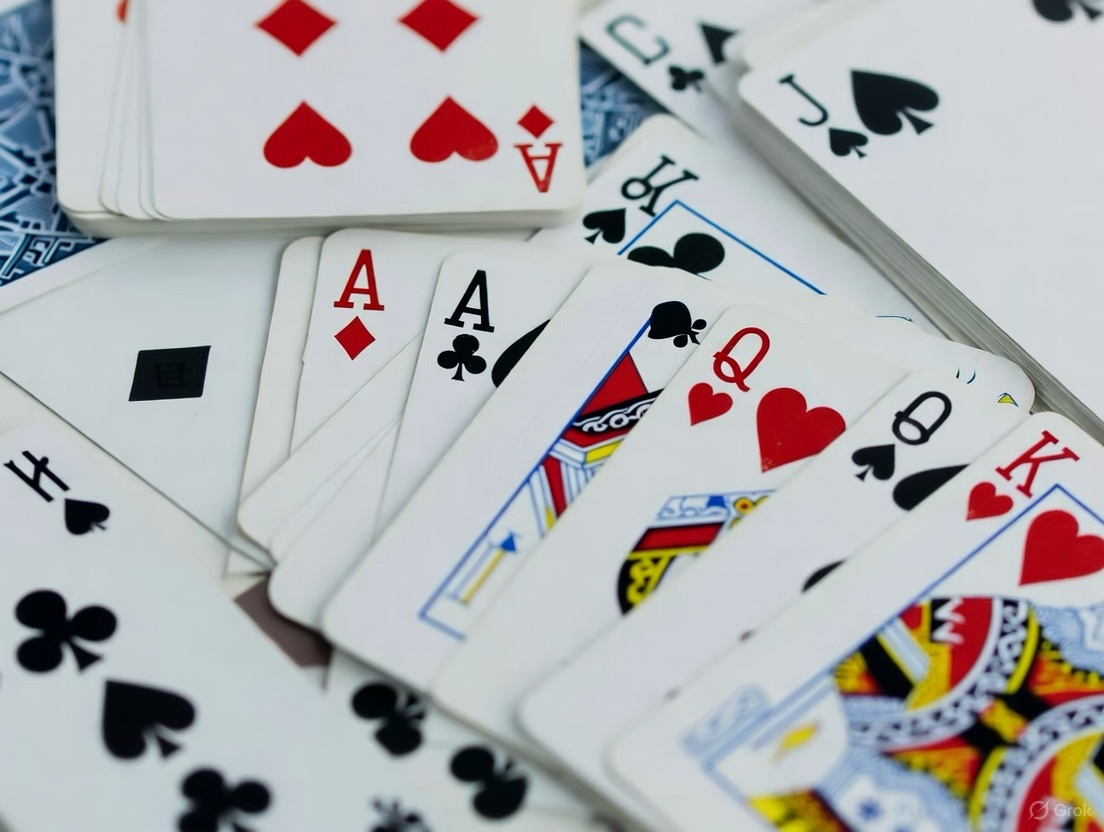
Game cards have been a cornerstone of gaming culture for decades — from Pokémon and Magic: The Gathering to collectible cards used in mobile and online games. But as technology continues to evolve, so too will the way we collect, trade, and play with cards. The future of game cards is shaping up to be an exciting blend of physical and digital innovation, where blockchain, augmented reality, and player-driven economies redefine the experience.
Today, digital entertainment platforms are also influencing how people play and engage with gaming ecosystems. From competitive esports to online casino experiences, the landscape of digital play is evolving faster than ever. Visit Winna for exciting slots, bonuses, and fair play — a platform that embodies this shift toward fair, transparent, and innovative digital gaming experiences.
From Paper to Pixels: The Digital Transformation
The first big shift for card games came with the introduction of digital platforms. Titles like Hearthstone and Legends of Runeterra proved that a fully digital card experience could rival physical decks in depth and excitement. These platforms allowed players to compete globally without worrying about physical cards being lost, damaged, or counterfeited.
Now, the next evolution is underway. Developers are combining blockchain and Web3 technology to create digital cards that have real ownership value. Players can trade, sell, or collect them as unique assets, often powered by non-fungible tokens (NFTs). This model gives players more control over their collections and opens the door for entirely new kinds of gaming economies.
Blockchain and True Ownership
One of the key frustrations in traditional digital card games is that players don’t truly “own” their cards — they merely have a license to use them within the game. Blockchain technology changes that by providing verifiable ownership. When you buy a blockchain-based game card, it’s stored in your digital wallet and exists independently of the game’s servers.
Games like Gods Unchained and Splinterlands have pioneered this approach, giving players the freedom to trade their cards on secondary markets or even use them across different gaming ecosystems. This concept, called interoperability, could allow a player to use a favorite card in multiple games or universes, something unimaginable just a few years ago.
For players who enjoy strategic collection and real-world value, this fusion of gaming and digital assets creates endless opportunities. And for developers, it builds stronger, longer-lasting communities that are more invested in the ecosystem.
A recent report on nftnow.com highlights how experts view blockchain as the foundation for the next evolution of collectible card games — one that combines player ownership, transparency, and creativity.
The Return of Physical Collectibles — With a Twist
Despite the rise of digital platforms, physical cards will not disappear. In fact, the future might bring an even stronger connection between tangible cards and their digital counterparts. Imagine scanning a physical card with your phone to instantly add it to your online collection — or unlocking a digital reward every time you purchase a booster pack in real life.
Companies are already experimenting with this “phygital” (physical-digital) approach. It appeals to both collectors who love the tactile experience and gamers who crave digital convenience. This dual format bridges generations, connecting nostalgic card enthusiasts with the digital-native youth.
AI and Personalization in Game Card Design
Artificial intelligence will also play a growing role in how cards are created and balanced. Developers can use AI to monitor game data in real time, detect imbalances, and design new cards that enhance gameplay fairness. Some experimental platforms are even allowing players to generate custom cards through AI — adjusting artwork, stats, or special effects to suit personal play styles.
In the future, AI-driven personalization might become the norm. Players could build decks tailored to their preferences, skill levels, and even mood. Dynamic, evolving card libraries would make every game session feel unique, constantly adapting to the player’s journey.
AR, VR, and Immersive Gameplay
The future of game cards isn’t just digital; it’s interactive. With the rise of augmented reality (AR) and virtual reality (VR), players will be able to project their cards into the real world, seeing their favorite creatures or characters come to life right on their tables or living rooms.
Imagine putting on AR glasses and watching your deck battle in 3D space, with lifelike animations and voice interactions. Games like Yu-Gi-Oh! Duel Links and Pokémon Go have already hinted at the possibilities. As hardware becomes more affordable and widely adopted, AR card battles could become a mainstream entertainment format.
The Rise of Play-to-Earn Card Ecosystems
Future card games will not only be about fun — they’ll also create new economic opportunities for players. The play-to-earn model rewards players with digital currency or tradeable items for their time and skill. This concept is already popular in blockchain gaming, and card-based platforms are likely to be major players in this trend.
As more developers integrate this model, players can expect in-game economies that mirror real financial systems. Earning, staking, and trading game cards could become a legitimate source of income or investment — while keeping the thrill of traditional gameplay intact.
Fair Play and Transparency in the Digital Era
As gaming moves further online, fairness and transparency will be more important than ever. Players will want assurance that outcomes are not manipulated and that every card draw or match is governed by verifiable fairness systems. Platforms that prioritize responsible gaming and clear rules will stand out as the most trusted destinations.
A Future Built on Innovation and Connection
In the end, the future of game cards will be defined by innovation and community. Whether it’s blockchain ownership, AI-powered personalization, or immersive AR experiences, the next decade will completely transform how we view and interact with cards.
Players will not just collect and play — they’ll create, trade, and connect in ways that blur the lines between gaming, art, and technology. The result will be a vibrant, evolving ecosystem that honors the nostalgia of old-school card games while pushing toward a limitless digital frontier.



How to Recover Lost Game Files from an External Drive on Mac

Mystery Anime You’ll Regret Starting at Midnight | Part 2

ARC Raiders Frozen Trail Guide: How to Board and Clear the Frigate

Rockstar Games Integrates Advanced Ray Tracing for GTA VI

How to Update Outdated Graphics Drivers for Better Gaming Performance and Higher FPS

The Most Popular Car Game Isn’t Where Players Stay Longest

Canada’s Gaming Audience Is Bigger Than the Old Stereotype

Mystery Anime You’ll Regret Starting at Midnight | Part 1

Anime You’ll Be Glad You Added to Your Fall Watchlist (Part 2) 🍂

WoW Forever Leveling: What Is New on the Road from 1 to 60

MM2 weapon rarity tiers explained for traders

Blox Fruits Physical vs Permanent Fruits: What’s the Difference?

What to Check Before Buying FC 27 Coins Online

Can You Stream Kick on Xbox: Complete Guide for Xbox Users

Pokémon Announces New Movie With a New Hero and Mimikyu

Double-Sentinel Defensive Holds Disrupt Fast Valorant Site Executes
-
 Anime3 weeks ago
Anime You’ll Be Glad You Added to Your Fall Watchlist (Part 2) 🍂
-
 Features2 weeks ago
WoW Forever Leveling: What Is New on the Road from 1 to 60
-
 Esports3 weeks ago
MM2 weapon rarity tiers explained for traders
-
 Features4 weeks ago
Blox Fruits Physical vs Permanent Fruits: What’s the Difference?
-
 Features4 weeks ago
What to Check Before Buying FC 27 Coins Online
-
 Social Media4 weeks ago
Can You Stream Kick on Xbox: Complete Guide for Xbox Users
-
 Anime4 weeks ago
Pokémon Announces New Movie With a New Hero and Mimikyu
-
 Esports4 weeks ago
Double-Sentinel Defensive Holds Disrupt Fast Valorant Site Executes
-
 Features2 weeks ago
Canada’s Gaming Audience Is Bigger Than the Old Stereotype
-
 Anime2 weeks ago
Mystery Anime You’ll Regret Starting at Midnight | Part 1
-
 Features1 week ago
The Most Popular Car Game Isn’t Where Players Stay Longest
-

 Features3 weeks ago
Why Sports Games Keep Getting Better at Simulating the Real Thing