
Technology
The anime industry meets its AI moment

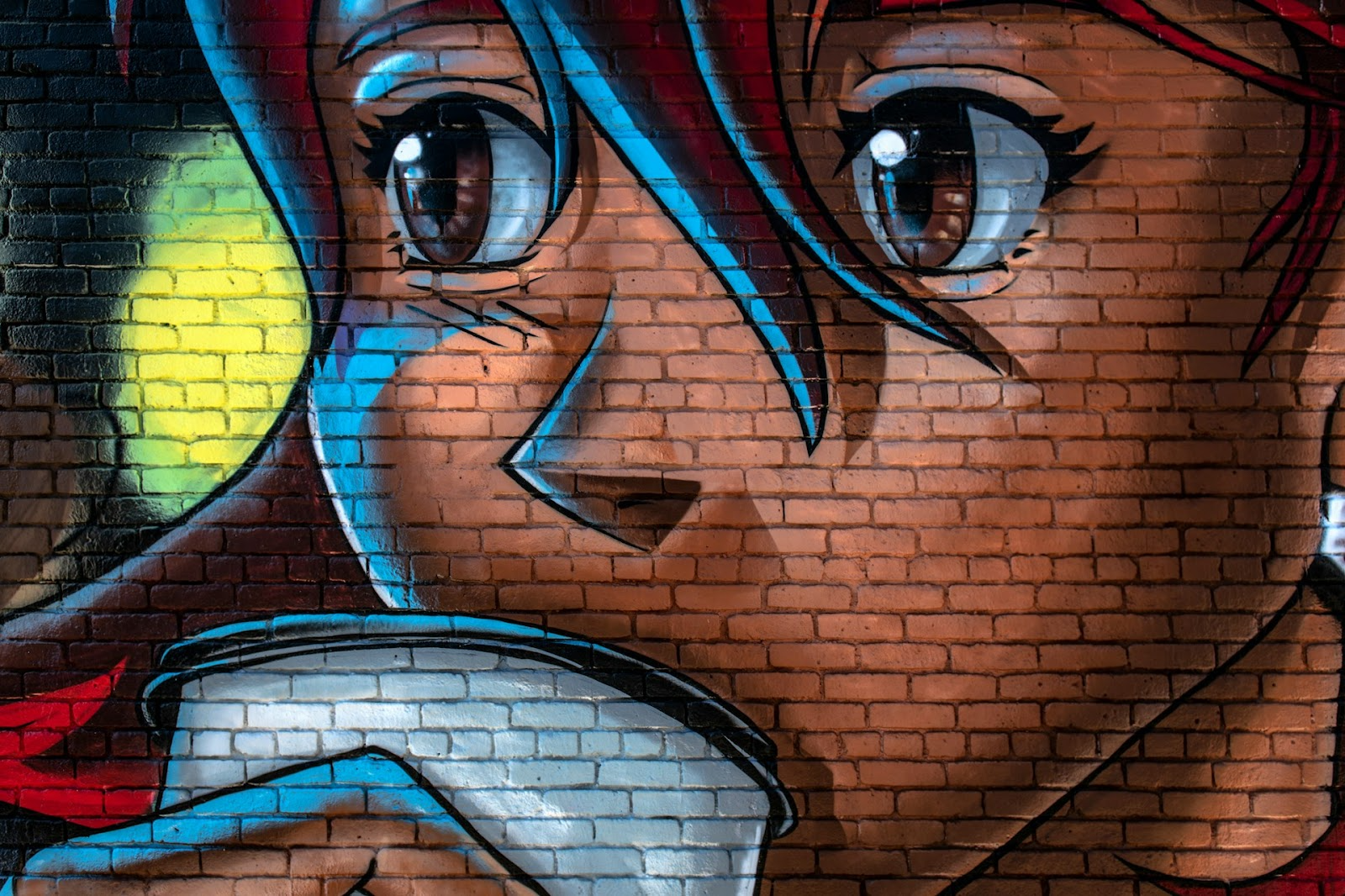
Anime has always been at the intersection of artistry and technology. From the early days of hand-painted cells to the digital innovations of the 2000s, Japanese animation has continually evolved with the tools available to creators. Now, as artificial intelligence takes center stage in creative industries, anime finds itself in the middle of a revolution that could reshape how it’s made, how fans interact with it, and even what it means to be an anime artist in the first place.
Some see this shift as the dawn of an exciting new era, while others worry it risks diluting the craftsmanship that defines the medium. Either way, the conversation around AI in anime is impossible to ignore.
A new toolkit for artists
For many animators and illustrators, the arrival of AI-powered tools isn’t about replacing creativity—it’s about enhancing it. Software capable of generating backgrounds, automating in-between frames, or offering instant color suggestions is already cutting down on some of the industry’s most grueling tasks.
Anyone familiar with anime production knows that studios are often stretched thin. Tight deadlines, long work hours, and low pay have plagued the industry for decades. AI tools, if used responsibly, could ease this burden by handling repetitive tasks while allowing human artists to focus on the creative heart of the work—storyboarding, character design, and emotional expression.
In this sense, AI doesn’t erase artistry; it amplifies it.
Fan creativity unleashed
Anime fandom has always thrived on participation. Doujinshi artists, fan animators, and cosplay creators have long expanded the worlds of their favorite series. Now, A.I. gives fans unprecedented access to creative possibilities once reserved for professionals.
Text-to-image tools let fans generate illustrations of their favorite characters in new styles or scenarios within seconds. Meanwhile, generative audio systems are experimenting with producing background music and even character voices. For fans who once dabbled in fan art on DeviantArt or Pixiv, the canvas has suddenly expanded.
One of the more intriguing developments is the rise of image to image AI, which allows fans to input their own sketches or rough concepts and transform them into polished, anime-style illustrations. This bridges the gap between professional skill and amateur enthusiasm, letting fans experiment with creation without years of training.
Studios experimenting with AI
The professional side of the industry is cautiously exploring AI, too. Earlier this year, Netflix Japan drew headlines for using AI to help animate backgrounds in a short film, citing labor shortages as one reason. While the project sparked backlash, it also highlighted a pressing reality: the anime industry desperately needs innovation to survive its current workload crisis.
Smaller studios, in particular, are starting to test AI-based tools for pre-production tasks like concept art generation, scene blocking, and automated lip-syncing. If these experiments scale responsibly, they could free up animators to spend more time on the intricate details that give anime its soul.
The ethical debate
Of course, no discussion of AI in anime would be complete without addressing the controversy. Critics argue that generative tools often rely on datasets built from existing artwork—sometimes scraped without consent from human artists. This raises thorny questions about copyright, ownership, and the exploitation of creative labor.
For an industry already criticized for underpaying animators, the fear that AI could further devalue their contributions is very real. The challenge, then, is finding ways to integrate AI while respecting the rights of creators. Transparent data practices, opt-in databases, and collaborative models between artists and AI developers may be key to building trust.
Aesthetic possibilities
Beyond labor concerns, AI is also opening aesthetic doors for anime. Generative tools can produce surreal backgrounds, experimental character designs, or dynamic effects that push the boundaries of traditional styles. Imagine a cyberpunk series where every cityscape is algorithmically generated, constantly evolving with each episode, or a fantasy world where AI assists in rendering intricate landscapes at scale.
These aren’t just cost-saving measures—they’re opportunities to expand what anime can look and feel like. For fans who love the medium because it constantly reinvents itself, this experimentation is thrilling.
Fans as co-creators
One of the most fascinating cultural shifts is how AI blurs the line between creators and audiences. Anime fans have always been deeply engaged, but AI tools are transforming passive viewers into active participants. When fans can generate their own alternate storyboards, remix favorite scenes, or create mashups of different series, the ecosystem of anime becomes more collaborative than ever.
This democratization of creation has potential upsides and downsides. On one hand, it could unearth new talent, as fans who experiment with AI eventually move into professional roles. On the other, it risks flooding online spaces with derivative or low-quality content. The key will be how platforms, communities, and audiences choose to curate and engage with this new wave of fan-made media.
Looking to the future
The future of anime in an AI-driven world is neither utopian nor dystopian—it’s a mix of both. For overworked animators, AI could be a lifeline. For fans, it’s an invitation to create alongside their favorite studios. For the industry, it’s a disruptive force that requires careful ethical navigation.
Anime has always thrived on its ability to merge tradition with innovation. From the experimental works of Osamu Tezuka to the digital revolutions of the 2000s, the medium has embraced change while holding on to its core spirit. AI may be the latest—and perhaps most dramatic—step in that evolution.
Conclusion: beyond the hype
Whether we love it, fear it, or both, the AI revolution in anime is already here. What matters now is how creators, studios, and fans choose to wield it. Will it become a tool that lightens workloads and unleashes new creativity? Or will it erode the craft and traditions that make anime so beloved?
The truth is likely somewhere in between. But one thing is certain: anime’s story with AI is just beginning, and like the best series, it promises plenty of twists along the way.
Image Source: Unsplash



Table and Mini Games In Grand Theft Auto 6 – What Can We Expect?

How to Recover Lost Game Files from an External Drive on Mac

Mystery Anime You’ll Regret Starting at Midnight | Part 2

ARC Raiders Frozen Trail Guide: How to Board and Clear the Frigate

Rockstar Games Integrates Advanced Ray Tracing for GTA VI

How to Update Outdated Graphics Drivers for Better Gaming Performance and Higher FPS

The Most Popular Car Game Isn’t Where Players Stay Longest

Canada’s Gaming Audience Is Bigger Than the Old Stereotype

Anime You’ll Be Glad You Added to Your Fall Watchlist (Part 2) 🍂

WoW Forever Leveling: What Is New on the Road from 1 to 60

MM2 weapon rarity tiers explained for traders
Canada’s Gaming Audience Is Bigger Than the Old Stereotype

8 Underrated PC Games Worth Playing in 2026 (That Aren’t Getting the Attention They Deserve)

Mystery Anime You’ll Regret Starting at Midnight | Part 1

Why Sports Games Keep Getting Better at Simulating the Real Thing
The Most Popular Car Game Isn’t Where Players Stay Longest
-
 Anime3 weeks ago
Anime You’ll Be Glad You Added to Your Fall Watchlist (Part 2) 🍂
-
 Features3 weeks ago
WoW Forever Leveling: What Is New on the Road from 1 to 60
-
 Esports3 weeks ago
MM2 weapon rarity tiers explained for traders
-
 Features2 weeks ago
Canada’s Gaming Audience Is Bigger Than the Old Stereotype
-
 Features3 weeks ago
8 Underrated PC Games Worth Playing in 2026 (That Aren’t Getting the Attention They Deserve)
-
 Anime2 weeks ago
Mystery Anime You’ll Regret Starting at Midnight | Part 1
-
 Features3 weeks ago
Why Sports Games Keep Getting Better at Simulating the Real Thing
-
 Features2 weeks ago
The Most Popular Car Game Isn’t Where Players Stay Longest
-
 Gaming News1 week ago
Rockstar Games Integrates Advanced Ray Tracing for GTA VI
-
 Features1 week ago
ARC Raiders Frozen Trail Guide: How to Board and Clear the Frigate
-

 Features3 weeks ago
From Consoles to Phones: How Canadian Gaming Became an Anytime Experience
-
 Guides4 weeks ago
Minecraft All Biomes Seeds for Players Who Love Exploring