
Features
Soft2bet and the psychology of rewards in modern gaming

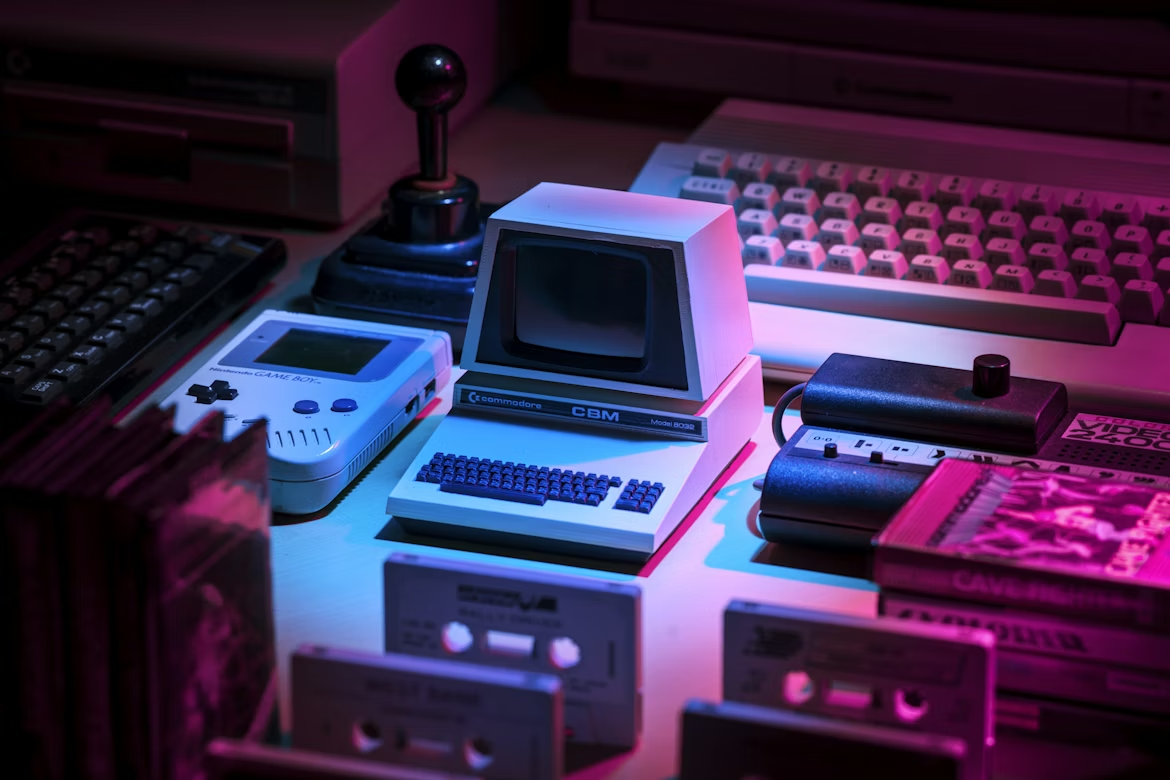
Modern games surround players with rewards. Coins jump toward the screen, colourful numbers fly across the HUD, progress bars glow at the edge of the frame. Every action gives a small response from the game, even a missed shot or a failed jump. Over time this feedback loop shapes the way people play and even the way they think about free time, goals and success.
Large gaming platforms build entire ecosystems on top of this idea. Projects related to Soft2Bet show how reward structures from classic casino experiences blend with design choices from video games. The result speaks to players who grew up with arcades, early consoles and later online multiplayer, and who now expect constant feedback from every digital experience.
Why players keep chasing small victories
Rewards in games rarely function as simple prizes. They become a language that connects designers and players. A chest full of loot, a new skin or a glowing achievement icon means more than virtual property. It signals that the time inside the game world has value and that progress exists.
Typical reasons why players respond so strongly to rewards:
- Short bursts of satisfaction after effort or risk
- Visible proof that time in the game leads somewhere
- Social recognition through rare items, ranks or titles
Human brains lean toward patterns. When a game connects a certain action with a positive result, this connection grows stronger with every repetition. Over time the loop feels automatic: clear an area, see numbers, feel relief, move forward.
In story driven games this system supports narrative moments. A new skill after an important scene, or a weapon that drops in the middle of a crisis, reinforces emotional peaks. In competitive titles rewards create structure around ranks and seasons, which turns regular play into a long term project.
Lessons from igaming platforms
Digital casinos and igaming sites have studied reward psychology for years. They experiment with timing, visual feedback and perceived control. Platforms associated with brands like Soft2Bet build interfaces that guide the eye toward certain buttons, highlight wins with bursts of colour and sound, and log progress in clean dashboards.
Several elements from this world gradually moved into mainstream video games:
- Clear tracking of streaks, combos and daily activity
- Frequent low intensity rewards that appear even after small actions
- Tiered systems such as loyalty levels or battle passes
In free to play titles this approach becomes central. Every login, match or completed challenge provides tokens or points. Many players visit a favourite game daily to avoid losing a streak bonus. The line between an online casino and a hero shooter can feel thin when both rely on layered reward ladders, animated menus and limited time events.
The connection goes in both directions. Igaming platforms borrow interface ideas, lore elements and background art from popular genres. Video games pick up retention mechanics and event structures. Together they shape a shared language of gratification across digital entertainment.
When rewards start to define identity
Over years of gaming, rewards begin to attach themselves to self image. A rare mount or weapon skin in an online world feels like a badge of honour. A high rank on a leaderboard can become part of daily motivation. For some players, a favourite account carries memories just like a box of old photos.
This effect has several interesting consequences:
- Players sometimes value virtual items almost like physical ones
- Communities form around specific achievements or collections
- Losing access to a long term profile can feel like losing a part of history
Designers who understand this treat rewards with care. When a patch removes items or resets progression, backlash appears immediately. Players feel that their time was dismissed. Good live service design tends to frame big changes as transformation rather than destruction: old items gain new context, accounts receive legacy marks and long term supporters get exclusive cosmetics.
Igaming platforms face similar challenges. Loyalty programs and personalised offers aim to show that the system respects returning visitors. The idea is simple: the more time a person spends inside the ecosystem, the more visible their path becomes.
Healthier ways to interact with reward heavy games
The rise of layered reward systems brings questions about balance. Constant feedback from screens competes with everyday experiences, creates pressure to log in daily and can blur the line between entertainment and obligation. Many players look for ways to enjoy games without feeling pulled by every progress bar.
Some useful approaches include:
- Choosing games with clear endings or self contained runs
- Setting personal rules about daily time or spending
- Focusing on social moments, shared stories and creativity instead of pure grind
Communities help a lot here. When friends discuss games in terms of emotions, ideas and cool situations rather than only rare drops or ranks, the role of rewards changes. They become tools for storytelling instead of the sole purpose of play.
Designers can support this shift. Some modern titles highlight photo modes, build systems and narrative choices as much as loot. Even platforms that revolve around bets and jackpots can introduce dashboards, education sections and tools that encourage reflection about time and risk.
Reward systems will stay at the centre of gaming for a long time. They speak directly to deep human patterns, turn small actions into meaningful progress and tie digital worlds to feelings of mastery and belonging. Projects in the orbit of soft2bet and similar brands show how this language evolves across different corners of interactive entertainment.
The challenge for the industry and for players lies in awareness. When people understand how rewards work and what they trigger inside the mind, they gain more control over their habits. The shine of coins, the glow of progress bars and the burst of sound after a win still feel satisfying, yet they serve personal goals instead of controlling them.


The Parent Companies Behind Your Favorite Games

A Must watch Wholesome Anime That Feels Surprisingly Relatable!

Steal a Brainrot Items Guide: How to Get Rare Brainrots and Build a Stronger Base

Best MM2 Weapons to Collect: Knives, Guns and Godlys Explained

Table and Mini Games In Grand Theft Auto 6 – What Can We Expect?

How to Recover Lost Game Files from an External Drive on Mac

Mystery Anime You’ll Regret Starting at Midnight | Part 2

ARC Raiders Frozen Trail Guide: How to Board and Clear the Frigate

Anime You’ll Be Glad You Added to Your Fall Watchlist (Part 2) 🍂

WoW Forever Leveling: What Is New on the Road from 1 to 60

MM2 weapon rarity tiers explained for traders

Canada’s Gaming Audience Is Bigger Than the Old Stereotype
ARC Raiders Frozen Trail Guide: How to Board and Clear the Frigate

8 Underrated PC Games Worth Playing in 2026 (That Aren’t Getting the Attention They Deserve)

The Most Popular Car Game Isn’t Where Players Stay Longest

Mystery Anime You’ll Regret Starting at Midnight | Part 1
-
 Anime4 weeks ago
Anime You’ll Be Glad You Added to Your Fall Watchlist (Part 2) 🍂
-
 Features4 weeks ago
WoW Forever Leveling: What Is New on the Road from 1 to 60
-
 Esports4 weeks ago
MM2 weapon rarity tiers explained for traders
-
 Features3 weeks ago
Canada’s Gaming Audience Is Bigger Than the Old Stereotype
-
 Features2 weeks ago
ARC Raiders Frozen Trail Guide: How to Board and Clear the Frigate
-
 Features4 weeks ago
8 Underrated PC Games Worth Playing in 2026 (That Aren’t Getting the Attention They Deserve)
-
 Features2 weeks ago
The Most Popular Car Game Isn’t Where Players Stay Longest
-
 Anime3 weeks ago
Mystery Anime You’ll Regret Starting at Midnight | Part 1
-

 Gaming News2 weeks ago
Rockstar Games Integrates Advanced Ray Tracing for GTA VI
-
 Features4 weeks ago
Why Sports Games Keep Getting Better at Simulating the Real Thing
-

 Features4 weeks ago
From Consoles to Phones: How Canadian Gaming Became an Anytime Experience
-
 Anime2 weeks ago
Mystery Anime You’ll Regret Starting at Midnight | Part 2