
Features
How Video Games Create Loyal User Base Through VIP Tiers & Rewards

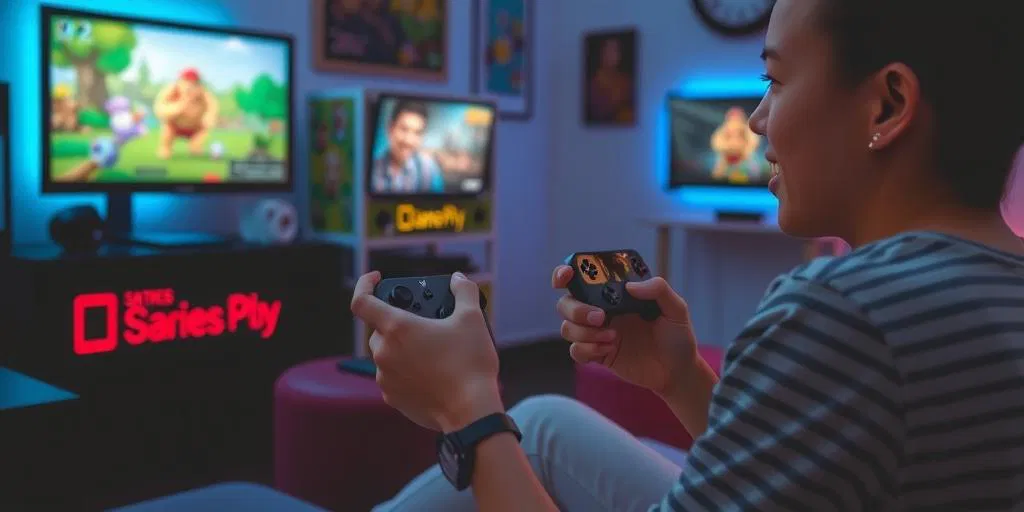
Modern gaming is a peculiar beast. While loyalty matters a lot in gaming, many companies need to view it through economic lenses. That is why we have so many platforms who see their users as customers, calling them subscribers and club members. Many look to appease their user bases via various VIP programs. Digital perks matter a lot in the universe of gaming, so users look for services that provide exclusive content. It is not all about having people play your game anymore. It is all about rising through tiers, and belonging to a place based on the merit of your spending.
There is something interesting in the way premium content works around video games, and loyalty which is becoming more and more digital. User tiers, topped by VIP programs are why people stick to a game or a brand, when the end result and the reward they receive feel personal.
Games Are More Than ‘Just’ Games
Back in the day, and feel free to call us boomers, buying a game was all about playing it, with nothing in between. Nowadays, many games are built for the present, but for the future too. They intend to last. The best examples are the games such as Fortnite, Call of Duty, Genshin Impact, and many online casino VIP games. All of the examples we’ve mentioned are games that are free to play. Yet, there’s no money for them to be made out of the user base if the users are not attached to the brand. Time limited content, unique bonuses and emotions, exclusive skins, and battle passes are just some of the perks that keep players at bay, playing and spending money. It is what creates the bot way going loyalty.
All-Around Loyalty Systems
There is nothing complicated about loyalty systems. You get a lot if you play a lot. It is a system that online casinos such as Sportsbet have developed to perfection. The best example of this are the games that keep a track of the number of times you’ve logged in. Different games reward total spending, while the majority will look to blend it all together. Are you active, how much have you spent, and how long were you playing are the main questions. It is an artificially created loop which starts with a player buying a game, getting satisfaction of playing in return, playing some more, unlocking levels, spending money to get even better, and so on. It’s a cycle that never ends. For most of us, even the smallest of rewards do the trick a bonus or a free skin. When you have reasons to get back to a game, it’s easy to get back to playing and get even more rewards from playing while spending on the game itself.
The Status Symbol of VIP Programs
Many games really provide something different with their VIP program. The best examples are mobile casinos apps. When you spend a lot at an online casino you get to elevate your status among other users. With a better status with a platform more perks are coming your way. You can progress faster through levels, be invited to exclusive events, or receive a direct line to customer support. Here, we’re not talking only about online casinos and sportsbooks. MMORPGs such as Black Desert Online and Final Fantasy XIV have systems put in place that reward loyalty.
Tiered Systems
VIP systems are not a monolith. There are levels to them, called tiers. There are low and high VIP tiers. At the base level you get minor perks. The more you rise, the better the rewards get. At level one you can receive minor log in bonuses. Tier two would cry a different river and you’d get access to more XP, better skins, and faster upgrades. Rising higher would lead to having access to special game modes or a leaderboard. At the top of the mountain there would be rewards reserved only for exclusive members, thus giving everyone an itch to get there. This type of loyalty program is not unique to gaming. It is present in many industries such as hospitability, airlines, and even at streaming services.
Premium Content
The loyalty trend is easily enabled by premium content. Many games we’ve mentioned are free to play. Yet, their best parts are usually behind a paywall. At times it is only a matter of a minor battle pass. Other services require a subscription. When you pay to play many doors open for you including skins, weapons, character upgrades, game modes, and story chapters. If you’ve played Apex legends or PUBG Mobile you ought to know what we’re talking about. Premium content was a draw for many users regardless of the niche, as people these days want more than just to play they want inclusion to higher society even if it is only in game.
Loyalty for Everyone
While many loyalty systems appear to be monetary motivated, not all are like that. Some aim to reward your time and effort. League of Legends offers tokens just for playing the game. Seasonal progress matters a lot in games such as Overwatch 2 and Valorant. Rewards at the end of a journey is what motivates many players to play. This is a wise approach to loyalty. Not everyone wants to spend more than the initial game purchase. Many don’t want to spend at all, and unfortunately there are those who can’t spend on games and it would be a shame leaving those players non competitive. It’s about keeping the players around, some through money, and some through an even more pricier currency time.
Why Loyalty in Gaming Works
It is simple. Games are interesting. They’re a great medium to touch on basic human psychology. We all want rewards for what we do, right? Recognition? Yes, please. No one wants to feel as if left outside, or as if they are missing something big whether in game or in the outside world. Giving people what they want through digital loyalty programs just made too much sense. VIP tiers are there to create separation. At the end of the day, a domain like gaming requires competitiveness to excel. When there’s premium content available, there are milestones for players to reach. It doesn’t matter if it is a hot streak, a new tier to unlock, or a simple bonus. People will be locked in when pitted against their peers for the same reward. As we said, this approach is used in other industries too, and it is nothing new on the market. It’s been around for a while, and it will be there in the future, even bigger.
Bottom Line
The crossover between video games, digital loyalty and premium content is going nowhere. It has become such a major part of gaming that it’s no longer something out of the ordinary. Players want games, but not games at the base level. They want everything a game has to offer starting from broad access, to perks, and eventual status. The providers give people what they want, and as long as that circle exists VIP programs will become more and more frequent, as everyone wants their time & money rewarded.



Table and Mini Games In Grand Theft Auto 6 – What Can We Expect?

How to Recover Lost Game Files from an External Drive on Mac

Mystery Anime You’ll Regret Starting at Midnight | Part 2

ARC Raiders Frozen Trail Guide: How to Board and Clear the Frigate

Rockstar Games Integrates Advanced Ray Tracing for GTA VI

How to Update Outdated Graphics Drivers for Better Gaming Performance and Higher FPS

The Most Popular Car Game Isn’t Where Players Stay Longest

Canada’s Gaming Audience Is Bigger Than the Old Stereotype

Anime You’ll Be Glad You Added to Your Fall Watchlist (Part 2) 🍂

WoW Forever Leveling: What Is New on the Road from 1 to 60

MM2 weapon rarity tiers explained for traders
Canada’s Gaming Audience Is Bigger Than the Old Stereotype

8 Underrated PC Games Worth Playing in 2026 (That Aren’t Getting the Attention They Deserve)
The Most Popular Car Game Isn’t Where Players Stay Longest
ARC Raiders Frozen Trail Guide: How to Board and Clear the Frigate

Why Sports Games Keep Getting Better at Simulating the Real Thing
-
 Anime4 weeks ago
Anime You’ll Be Glad You Added to Your Fall Watchlist (Part 2) 🍂
-
 Features3 weeks ago
WoW Forever Leveling: What Is New on the Road from 1 to 60
-
 Esports3 weeks ago
MM2 weapon rarity tiers explained for traders
-
 Features2 weeks ago
Canada’s Gaming Audience Is Bigger Than the Old Stereotype
-
 Features3 weeks ago
8 Underrated PC Games Worth Playing in 2026 (That Aren’t Getting the Attention They Deserve)
-
 Features2 weeks ago
The Most Popular Car Game Isn’t Where Players Stay Longest
-
 Features1 week ago
ARC Raiders Frozen Trail Guide: How to Board and Clear the Frigate
-
 Features3 weeks ago
Why Sports Games Keep Getting Better at Simulating the Real Thing
-

 Anime2 weeks ago
Mystery Anime You’ll Regret Starting at Midnight | Part 1
-
 Gaming News1 week ago
Rockstar Games Integrates Advanced Ray Tracing for GTA VI
-

 Features3 weeks ago
From Consoles to Phones: How Canadian Gaming Became an Anytime Experience
-
 Anime1 week ago
Mystery Anime You’ll Regret Starting at Midnight | Part 2