
Features
How Randomization Breathes New Life Into Every Playthrough

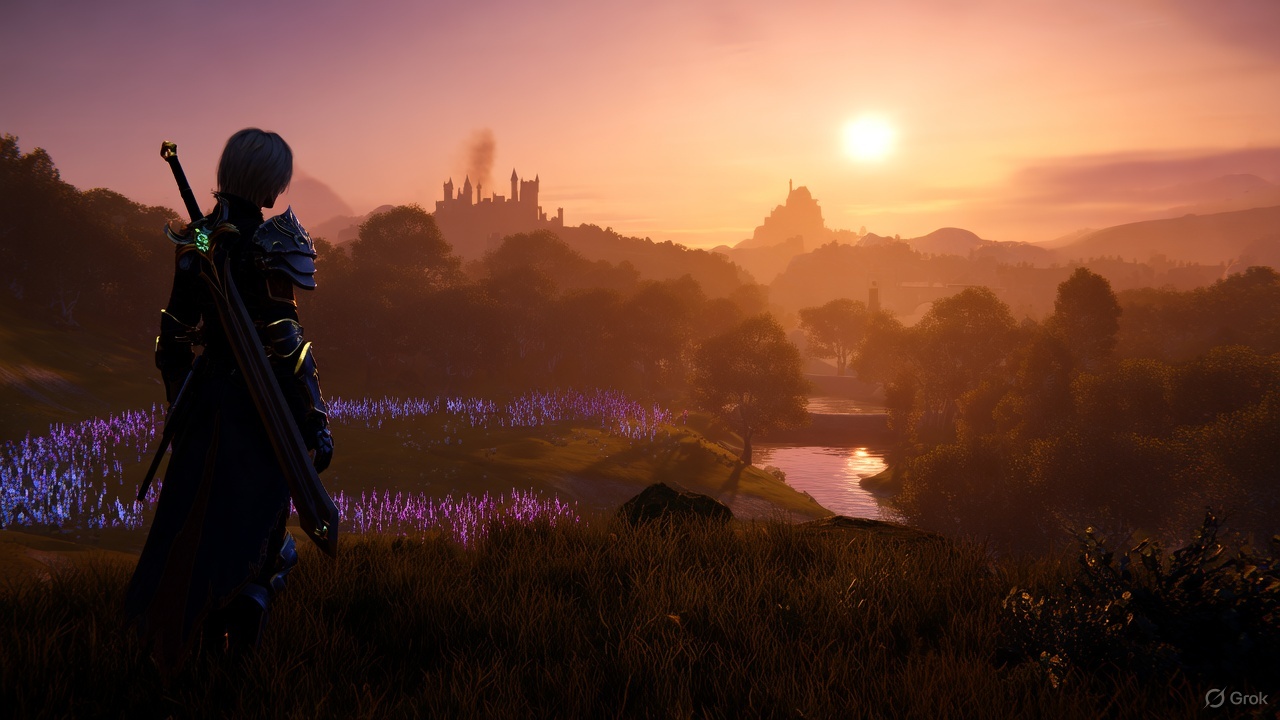
One of the reasons that some games are still fun years after their release is that they’ve figured out how to surprise us. Randomization allows us to do this. Instead of letting the player ride the same level repeatedly, it disrupts the norm. Maybe the map changes, maybe the loot changes, maybe the enemies spawn in a different place. Regardless of its form, randomness causes us to react in the moment and not simply on autopilot. That unpredictability is what keeps a game from being a chore and gives it lasting popular appeal.
The Allure of the Uncertain
Look at games like Hades, Spelunky, or The Binding of Isaac. Their allure is in the fact that no two playthroughs ever occur exactly the same way. You may be blessed with upgrades while another takes away resources and tests your patience. Instead of making loss repetitive, randomness makes it exciting. You retreat not because you expect to win at once, but because you are curious to see what the game has in store next. It’s between running on a treadmill and finding a new path every time you put on shoes.
The Psychology of Suspense
There is also a deeper reason why randomization works so well — our brains love possibility. A chest that may or may not hold a legendary sword is a lot more interesting than one that always gives out the same thing. That little rush of “what if” keeps people playing. It’s the same thrill humans feel when watching the ball spinning round in roulette and guessing where it will land. Modern games exploit that suspense with loot boxes, spins, and drops playing on our desire for surprise.
Where Chance Meets Ability
Randomness, of course, is most enjoyable when married with talent. When everything is luck, the game becomes cheap. When nothing is luck, it is predictable. The sweet spot is somewhere in the middle. XCOM is a good example. Its percentage-based hit system gets people to take gambles, like putting up a 40% desperation shot that will win the whole mission. Those are the types of moments that linger because it’s not going to be certain what does happen, and that uncertainty creates a narrative that players talk about long after the game is over.
Genres That Excel in Randomness
Some genres would be impossible without randomization. Roguelikes and roguelites employ procedural generation to guarantee that every dungeon crawl will be unique. Deck-builders like Slay the Spire make people uncertain about what’s in store next with shuffled cards demanding immediate response. Sandbox games like Minecraft wouldn’t be anywhere near as fun without their unexpected terrain. Eliminate randomness, and a huge chunk of their replayability would vanish.
The Pitfalls of Over-Randomization
Of course, randomization can be taken too far. When players have the feeling that their fate hangs solely in the hands of chance, frustration takes over quickly. No one likes losing simply because the right equipment didn’t fall or the dice didn’t want to behave. Great developers wield randomness as a spice for their recipe — just enough to make it interesting without so much that it dominates the meal. It’s about making players experience surprises without making them feel helpless.
Looking Ahead
As technology gets better and better, randomness in games is only going to get more interesting. Developers are already messing with AI systems that can create quests, characters, or even worlds unique to each player. Imagine an RPG where not just the dungeons but even the story change each time you start a new save. We’re only scratching the surface of what randomization can do, and its future looks like it will redefine replayability altogether.
Conclusion
Randomization isn’t a gimmick. In fact, it’s perhaps one of the most effective things that keeps games fresh. It keeps us guessing and keeps each play session thrilling and replayable. From a dungeon that reorganizes itself, to a chest that could contain anything, to a boss who can’t follow a script, surprise is what makes games stand out.
Ultimately, it’s not necessarily the graphics or mechanics that get us playing again. It’s the hope of something just beyond the horizon, the hope that this run, this battle, this spin will be the one that makes all the difference. And that small flame of not knowing is what makes games so capable of surprising us again and again.



Table and Mini Games In Grand Theft Auto 6 – What Can We Expect?

How to Recover Lost Game Files from an External Drive on Mac

Mystery Anime You’ll Regret Starting at Midnight | Part 2

ARC Raiders Frozen Trail Guide: How to Board and Clear the Frigate

Rockstar Games Integrates Advanced Ray Tracing for GTA VI

How to Update Outdated Graphics Drivers for Better Gaming Performance and Higher FPS

The Most Popular Car Game Isn’t Where Players Stay Longest

Canada’s Gaming Audience Is Bigger Than the Old Stereotype

Anime You’ll Be Glad You Added to Your Fall Watchlist (Part 2) 🍂

WoW Forever Leveling: What Is New on the Road from 1 to 60

MM2 weapon rarity tiers explained for traders
Canada’s Gaming Audience Is Bigger Than the Old Stereotype

Mystery Anime You’ll Regret Starting at Midnight | Part 1

Why Sports Games Keep Getting Better at Simulating the Real Thing
The Most Popular Car Game Isn’t Where Players Stay Longest

8 Underrated PC Games Worth Playing in 2026 (That Aren’t Getting the Attention They Deserve)
-
 Anime3 weeks ago
Anime You’ll Be Glad You Added to Your Fall Watchlist (Part 2) 🍂
-
 Features3 weeks ago
WoW Forever Leveling: What Is New on the Road from 1 to 60
-
 Esports3 weeks ago
MM2 weapon rarity tiers explained for traders
-
 Features2 weeks ago
Canada’s Gaming Audience Is Bigger Than the Old Stereotype
-
 Anime2 weeks ago
Mystery Anime You’ll Regret Starting at Midnight | Part 1
-
 Features3 weeks ago
Why Sports Games Keep Getting Better at Simulating the Real Thing
-
 Features1 week ago
The Most Popular Car Game Isn’t Where Players Stay Longest
-
 Features3 weeks ago
8 Underrated PC Games Worth Playing in 2026 (That Aren’t Getting the Attention They Deserve)
-

 Features3 weeks ago
From Consoles to Phones: How Canadian Gaming Became an Anytime Experience
-
 Gaming News1 week ago
Rockstar Games Integrates Advanced Ray Tracing for GTA VI
-
 Guides4 weeks ago
Minecraft All Biomes Seeds for Players Who Love Exploring
-
 Features6 days ago
ARC Raiders Frozen Trail Guide: How to Board and Clear the Frigate