
Features
How Gaming Culture Gave Birth to the Meme Coin Boom

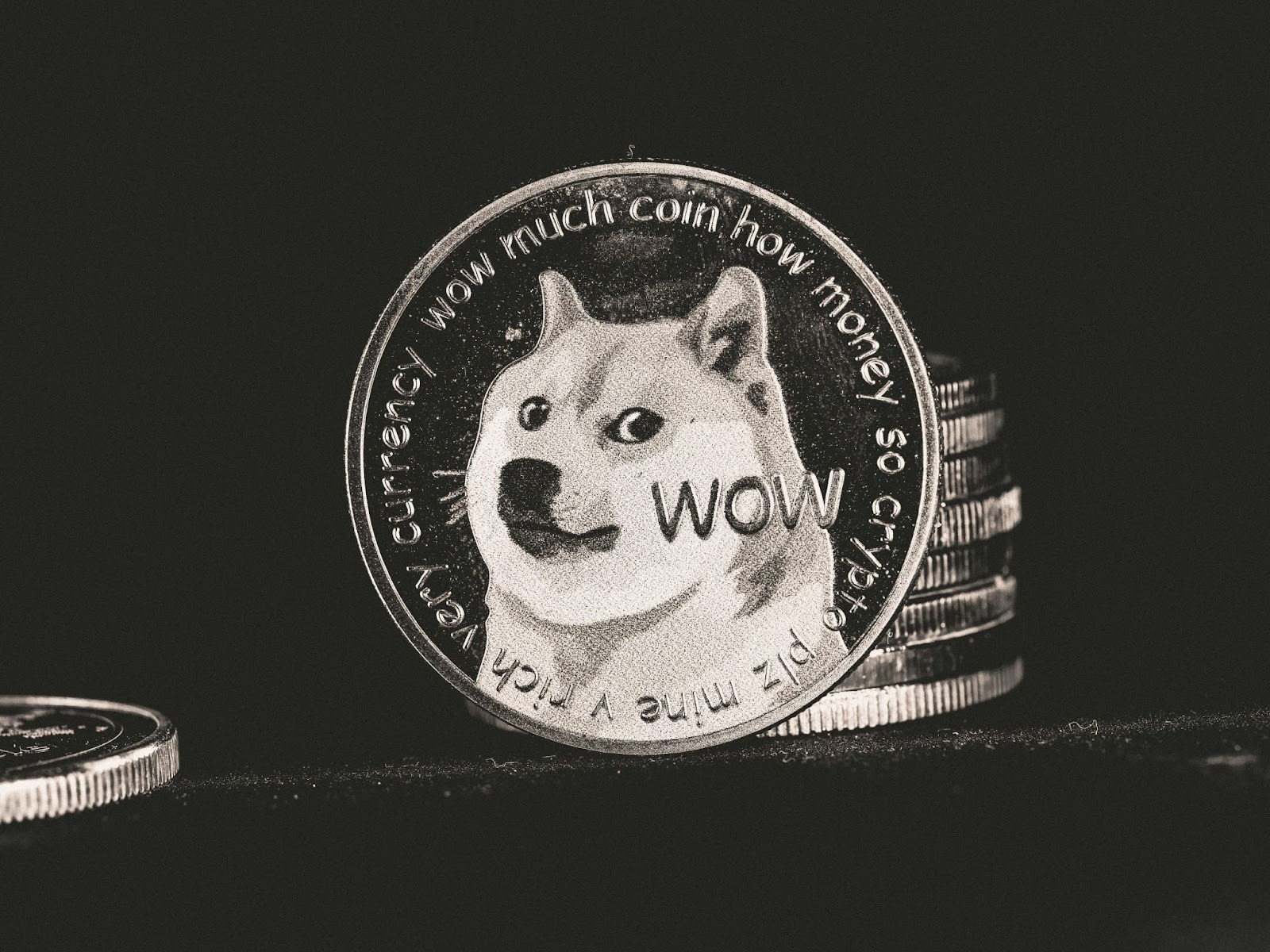
Before crypto traders, there were gamers spending digital coins, chasing rare drops, and forming tight-knit communities online. Those same instincts now drive the meme coin boom, turning internet jokes into billion-dollar assets. It’s fair to say that gaming didn’t just predict crypto culture, but trained a generation to treat speculation like play.
Internet Humor Meets Player Psychology
At their core, meme coins are a game. Players take risks, share wins, and laugh at losses. This is much like chasing loot boxes or rare item drops. Plus, the process itself, which involves anticipation, reveal, and reward, is addictive.
Of course, developers have spent decades perfecting this loop. Games like Clash Royale rely on the thrill of randomness, giving players a shot at something special. Meme coins replicate that same unpredictability. For instance, you don’t know if your token will moon or crash, but the possibility is exciting.
Crypto forums even borrow gaming language like “quests”, “airdrops”, and “missions” to describe speculative participation. On top of this, meme coins reward engagement in the same way games do. The more you contribute to the community, the higher your status climbs.
It’s no coincidence that many new meme coins feel more like collectibles than currencies. This is because their value isn’t measured in use cases; it’s measured in culture.
When Virtual Currencies Became Second Nature
Long before Bitcoin or Ethereum, players were earning and spending digital money. In-game currencies like RP (formerly known as Riot Points) in League of Legends or Gold in World of Warcraft gave players a sense of tangible value within virtual spaces.
Ultimately, gamers learned that intangible tokens could carry meaning, especially when tied to exclusivity. This meant the jump to crypto was surprisingly seamless. Meme coins, like in-game rewards, thrive on collective belief, with a sense that if enough people value something, it becomes valuable.
Community as the Ultimate Game Mode
Gamers understand community better than most internet users. Clans, guilds, and fandoms form the backbone of gaming culture, where reputation and contribution matter more than rank and profit. Meme coins adopted that formula wholesale.
Projects like Shiba Inu and Dogecoin turned humor into identity. The people who bought in weren’t investors. They were fans, meme makers, and community moderators. So, they built their own worlds, just as gaming communities build servers, tournaments, and Discords around shared interests.
What separates meme coins that survive from those that vanish is the same factor that determines a game’s longevity: community retention. When engagement drops, the economy collapses. When energy stays high, value follows.
Still, these aren’t communities in the traditional sense. Instead, they’re fluid networks that exist only as long as the meme and liquidity do. It’s less like a fan club and more like a constantly shifting multiplayer lobby.
The Mentality of Digital Scarcity
Gamers are well aware of the psychology of digital scarcity. For example, rare Fortnite packs generate instant buzz, and players rush to buy them before they disappear. This clearly demonstrates that scarcity drives desire and, as a result, desire creates value.
Meme coins apply the same principle. The rarer or more absurd a coin’s narrative, the more attention it attracts. A limited token supply mimics the logic of limited skins. Plus, just like secondary markets for game items, decentralized exchanges let holders trade their tokens for profit or bragging rights.
The same dopamine hit that comes from pulling a rare cosmetic item now appears in crypto dashboards. Clearly, the setting might have changed, but the emotional loop remained identical.
From Players to Speculators
Gamers are already trained in risk and reward. They time drops, study patterns, and optimize strategies. As a result, gamers didn’t approach crypto as investors once it entered the mainstream. They approached it like competitors.
Millennials and Gen Z, raised on digital economies and online communities, became the first wave of meme-coin enthusiasts. To them, buying tokens wasn’t speculation but participation.
That perspective explains why meme coins often reject traditional finance logic. It’s all about belonging, expression, and play rather than fundamentals or earnings.
The Bottom Line
The meme coin boom can be traced back directly to gaming culture. Years of digital economies, social play, and reward loops primed millions to treat value as something created collectively, not externally. Therefore, the idea that community, humor, and participation can create value is hardwired into digital life. While many meme coins will fade, the behavior that built them is here to stay.


How to Recover Lost Game Files from an External Drive on Mac

Mystery Anime You’ll Regret Starting at Midnight | Part 2

ARC Raiders Frozen Trail Guide: How to Board and Clear the Frigate

Rockstar Games Integrates Advanced Ray Tracing for GTA VI

How to Update Outdated Graphics Drivers for Better Gaming Performance and Higher FPS

The Most Popular Car Game Isn’t Where Players Stay Longest

Canada’s Gaming Audience Is Bigger Than the Old Stereotype

Mystery Anime You’ll Regret Starting at Midnight | Part 1

Anime You’ll Be Glad You Added to Your Fall Watchlist (Part 2) 🍂

WoW Forever Leveling: What Is New on the Road from 1 to 60

MM2 weapon rarity tiers explained for traders

Blox Fruits Physical vs Permanent Fruits: What’s the Difference?

What to Check Before Buying FC 27 Coins Online

Pokémon Announces New Movie With a New Hero and Mimikyu

Double-Sentinel Defensive Holds Disrupt Fast Valorant Site Executes
Canada’s Gaming Audience Is Bigger Than the Old Stereotype
-
 Anime3 weeks ago
Anime You’ll Be Glad You Added to Your Fall Watchlist (Part 2) 🍂
-
 Features2 weeks ago
WoW Forever Leveling: What Is New on the Road from 1 to 60
-
 Esports3 weeks ago
MM2 weapon rarity tiers explained for traders
-
 Features4 weeks ago
Blox Fruits Physical vs Permanent Fruits: What’s the Difference?
-
 Features4 weeks ago
What to Check Before Buying FC 27 Coins Online
-
 Anime4 weeks ago
Pokémon Announces New Movie With a New Hero and Mimikyu
-
 Esports4 weeks ago
Double-Sentinel Defensive Holds Disrupt Fast Valorant Site Executes
-
 Features2 weeks ago
Canada’s Gaming Audience Is Bigger Than the Old Stereotype
-
 Anime2 weeks ago
Mystery Anime You’ll Regret Starting at Midnight | Part 1
-

 Features2 weeks ago
8 Underrated PC Games Worth Playing in 2026 (That Aren’t Getting the Attention They Deserve)
-

 Features3 weeks ago
Why Sports Games Keep Getting Better at Simulating the Real Thing
-

 Features2 weeks ago
From Consoles to Phones: How Canadian Gaming Became an Anytime Experience