
Features
The Evolution of Horror in Games: From Silent Hill to Alan Wake 2

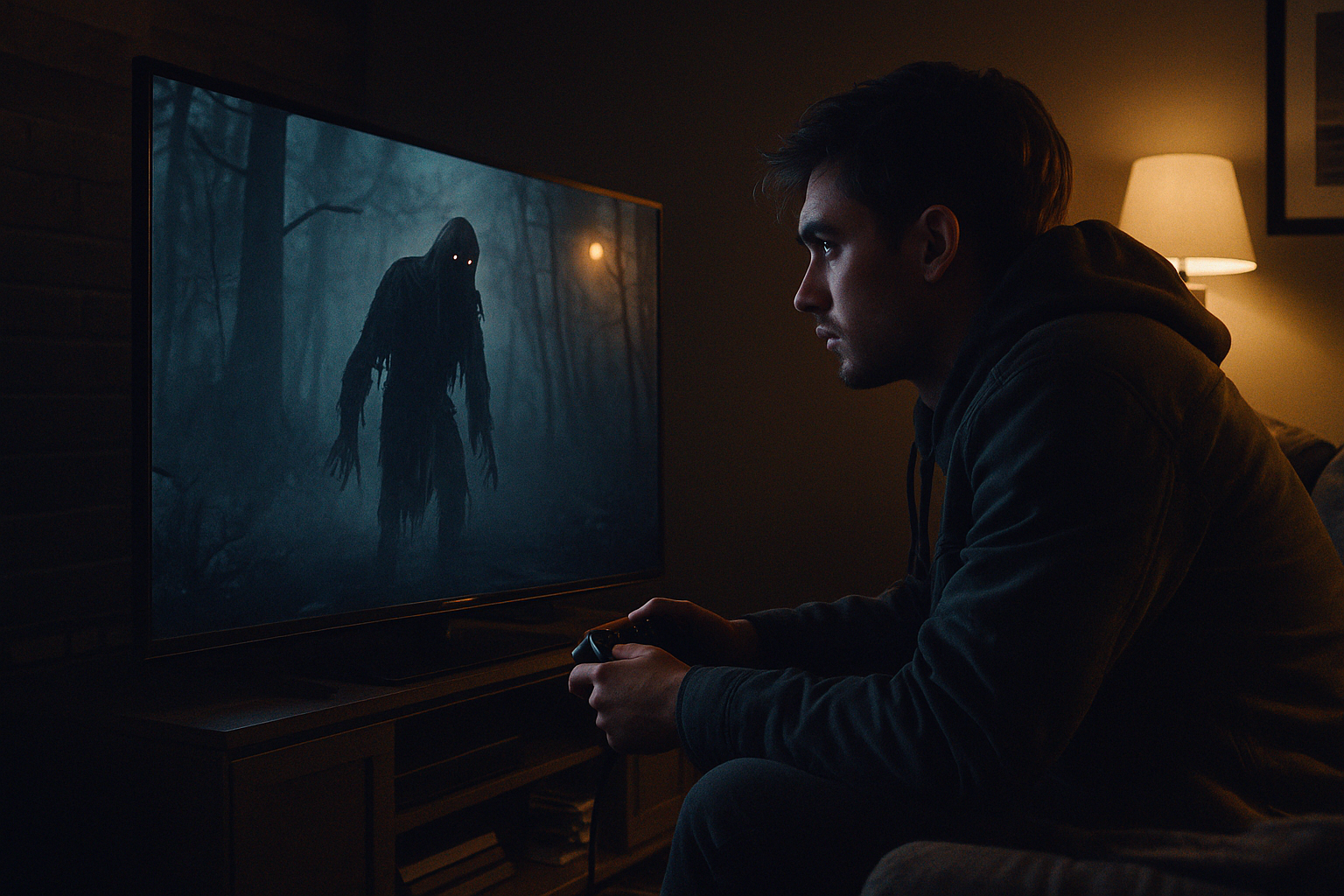
Fear in games has changed shape many times. What once relied on pixelated monsters now works through lighting, pacing, and story. The genre grew up with its players, trading jump scares for something deeper — dread that lingers long after the screen goes dark. You can even spot echoes of this evolution in unexpected places, like American Luck, where horror-themed titles live alongside more traditional games.
90s: Birth of Survival Horror
It started simple but bold. Alone in the Dark (1992) laid the groundwork: fixed camera angles, claustrophobic rooms, scarce ammo. Players weren’t powerful — they were survivors. Then came Resident Evil (1996), the game that turned survival horror into a household name. Inventory puzzles, locked doors, and that unmistakable typewriter save sound defined the decade.
But it was Silent Hill (1999) that changed the tone. Instead of monsters, it gave players fog, sirens, and guilt. The story wasn’t about fighting evil but confronting it within. The psychological weight made it unforgettable.
Early Horror Icons
| Game | Year | Signature Feature |
| Alone in the Dark | 1992 | First 3D survival horror framework |
| Resident Evil | 1996 | Inventory tension and fixed camera |
| Silent Hill | 1999 | Psychological fear and atmosphere |
2000s: The Cinematic Shift
By the early 2000s, horror started borrowing from cinema. Developers aimed for immersion through visuals and narrative. Fatal Frame II: Crimson Butterfly (2003) terrified players with its quiet dread — fear captured through an antique camera. Instead of shooting, players framed ghosts through a lens, a brilliant inversion of the power dynamic.
A few years later, Condemned: Criminal Origins (2005) brought horror to gritty streets. It was physical, violent, and close. Melee combat and forensic gameplay made players feel every punch. Then Dead Space (2008) pushed the genre into space. With its zero-G design and chilling sound direction, it proved that sci-fi could be just as terrifying as a haunted mansion.
Players began to expect more cinematic direction, voice acting, and realism. Horror became less about escape and more about experience.
What Defined This Era
- Stronger character writing and voice acting.
- Camera work inspired by horror films.
- Shift toward realism in visuals and sound.
2010s: Psychology and Immersion
The 2010s stripped horror back to its core: vulnerability. Amnesia: The Dark Descent (2010) made players powerless. No weapons, only hiding and running. Its success on YouTube proved fear could be shared — a new kind of horror born from watching others panic.
Outlast (2013) followed with a camcorder as your only light source. It turned found footage into gameplay. Then came P.T. (2014), a demo that never became a full game but changed everything. An endless corridor, subtle shifts, whispers — pure atmosphere. It became a blueprint for modern indie horror.
Even big franchises adapted. Resident Evil 7: Biohazard (2017) switched to first-person and VR, putting terror right in your face. It was both a reboot and a return to roots.
Hallmarks of the Decade
- Immersion through first-person perspective.
- Psychological depth replacing gore.
- Horror as a shared, streamable experience.
2020s: Technology and Storytelling
New horror doesn’t just scare — it tells. Games like The Medium (2021) used dual-reality gameplay, rendering two worlds at once. It played with perspective, both visual and emotional. MADiSON (2022) continued the indie rise, with hyperrealistic lighting and disturbing photo mechanics.
Then Alan Wake 2 (2023) arrived, setting a new benchmark. Remedy built a true interactive thriller — cinematic direction, live-action integration, nonlinear narrative. It blurred the line between show and game. Reviews called it “the best horror storytelling of the decade.”
And the momentum hasn’t slowed. LUTO (2024) took the P.T. legacy and added a layer of grief and philosophy. Meanwhile, Silent Hill 2 Remake (2025) marks the genre’s full circle — returning to where emotional horror began, but rebuilt with today’s fidelity.
New Trends to Watch
- Blending real-time graphics with film-like storytelling.
- Emotional writing over cheap scares.
- Independent studios redefining what “scary” means.
From Panic to Emotion
Horror in games used to be about monsters. Now it’s about meaning. From Alone in the Dark’s blocky corridors to Alan Wake 2’s cinematic dread, the journey reflects how players themselves changed. Fear became personal, grounded, and strangely beautiful.
Each generation didn’t just raise the bar — it redefined the feeling of being scared. And as technology keeps evolving, one thing stays the same: players still love that heartbeat moment when the hallway goes quiet, and they know something is about to happen.


Struckd on Windows: Making 3D Games Without Writing a Line of Code

From Arcade Cabinets to Digital Cards: The Psychology of the Push-Your-Luck Mechanic

How to Fix Lag in Games Once and For All

Why Randomness Makes Some Video Games So Interesting

5 Masterful Video Games Where The Element of Chance Shaped the Narrative

Keyboard vs Controller Gaming: Which One Is Better?

Why Sweepstakes Games Are Catching the Attention of Modern Gamers

GTA 6 Arrives Into a World That Plays Nothing Like 2013

This Unexpected Frieren x MapleStory Crossover Looks Too Perfect

Frieren: Beyond Journey’s End Creator Recommends the Next Hit Action Fantasy Series

From Loot Boxes to Live Experiences: How AI Is Blurring the Line Between Video Games and Interactive Entertainment

The shared design language of video games and interactive digital entertainment

Why Have Animal Characters Taken Over Every Corner Of Gaming?

6 Gaming Platforms That Push Originality to the Forefront

6 Years Later, Haikyu!! Returns in the Last Way Fans Expected

Why Game Culture Needs More Specialist Commentary
-
 Anime3 weeks ago
This Unexpected Frieren x MapleStory Crossover Looks Too Perfect
-
 Anime4 weeks ago
Frieren: Beyond Journey’s End Creator Recommends the Next Hit Action Fantasy Series
-
 Features4 weeks ago
From Loot Boxes to Live Experiences: How AI Is Blurring the Line Between Video Games and Interactive Entertainment
-
 Culture4 weeks ago
The shared design language of video games and interactive digital entertainment
-
 Features3 weeks ago
Why Have Animal Characters Taken Over Every Corner Of Gaming?
-
 Features3 weeks ago
6 Gaming Platforms That Push Originality to the Forefront
-
 Anime5 days ago
6 Years Later, Haikyu!! Returns in the Last Way Fans Expected
-
 Features4 weeks ago
Why Game Culture Needs More Specialist Commentary
-
 Features3 weeks ago
How Much Does Player Housing Really Cost in WoW Midnight?
-

 Anime2 weeks ago
Anime You’ll Be Glad You Added to Your Fall Watchlist (Part-1)
-

 Features3 weeks ago
Why Gamers Love Predicting What Happens Next
-

 Games That Changed Our Lives1 week ago
The Best Ways to Play a Modpack With Friends