
Features
Why Dice, Cards, and Spins Keep Showing Up in Video Games

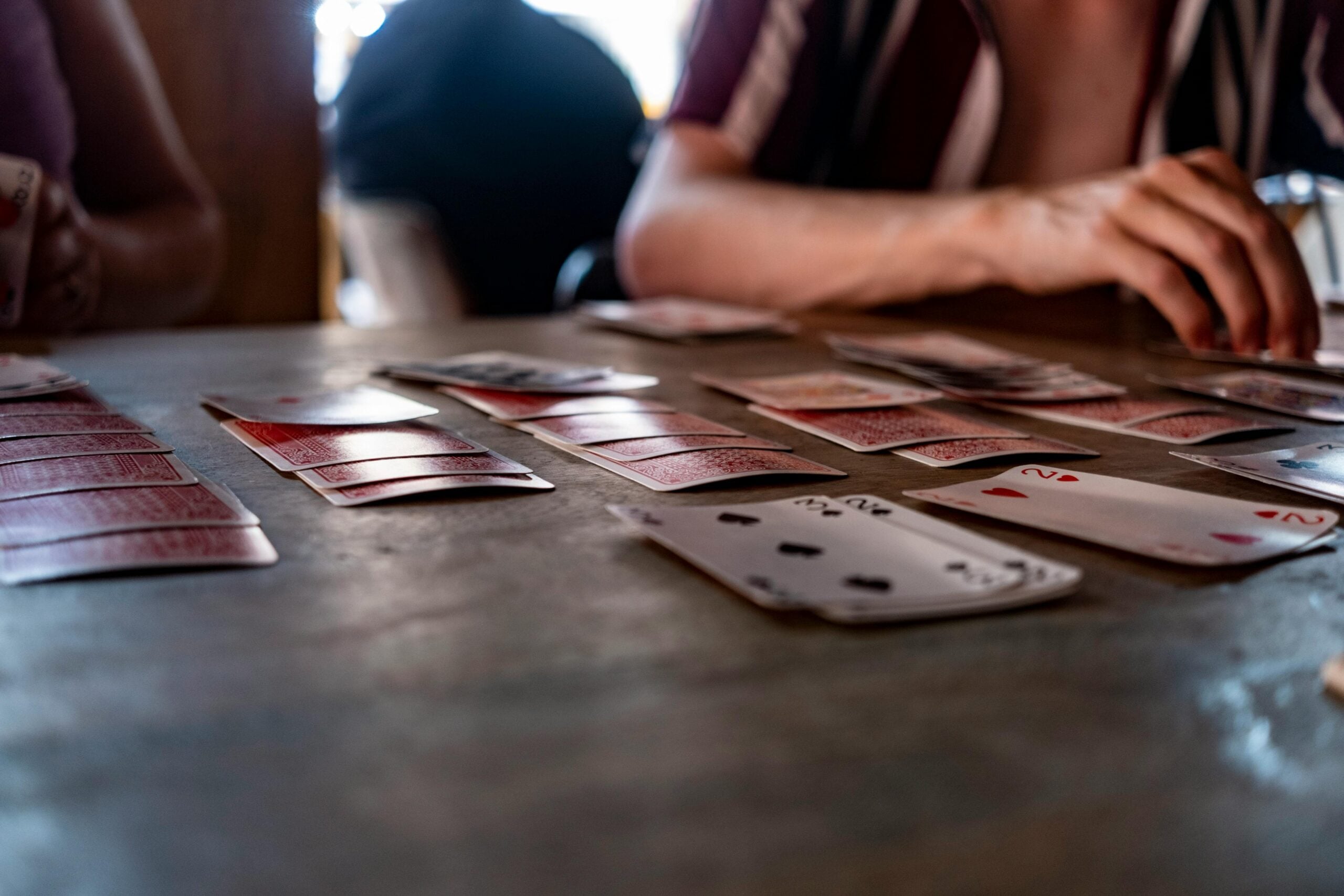
More than 205 million Americans play video games, according to the Entertainment Software Association’s 2025 Essential Facts data. That’s a huge group, and it helps explain why familiar play ideas such as dice rolls, card draws, spins, random rewards and surprise reveals keep turning up across console games, mobile games, party games, RPGs and casual casino-style formats.
You don’t need a complicated theory to understand the appeal. Chance gives a game a little lift. It makes the next moment less predictable, which is often enough to make a simple round feel fresh again.
That’s why the same broad feeling can show up in very different places:
- A dice roll that changes a Mario Party turn
- A card draw that saves a difficult match
- A bonus wheel, loot drop or casual spin that gives you a quick reveal
The details change, but the pleasure is familiar. You make a move, wait for the result, then decide what to do next.
A Little Luck Goes a Long Way
Chance works best when it gives players something to react to. A game with no uncertainty can still be skilful, but when every result is known in advance, some of the spark starts to fade.
The Federal Trade Commission describes loot boxes as random rewards that players may buy inside a video game or earn through gameplay. That definition is useful because it shows how broad chance-based design can be. Sometimes the reward changes how a character looks. Sometimes it helps a player progress. Sometimes it simply adds a moment of curiosity before the next round. If you enjoy casual digital play, the new sweepstakes casinos you’ll come across feel familiar for exactly that reason: the same core rhythm already runs through so many games, action, anticipation, reveal, response.
The important distinction is between randomness and choice under uncertainty. Randomness decides what appears. Your choice decides what it means.
That’s why chance can feel playful rather than confusing when it’s used clearly. A roguelike might offer you an unexpected item and ask you to rethink your plan. A card game might deal you a weak hand, then reward clever timing. A fishing minigame might turn a quiet side activity into a small surprise.
Good chance mechanics don’t ask you to give up control. They ask you to respond.
That’s also why casino-style formats feel so instantly readable to many adult players. Cards, reels, dice and reveals are simple visual languages. You know when the moment is building, you know when the result has arrived and you know whether you want another go.
The One-More-Turn Machine
Chance becomes even more satisfying when it sits inside a short loop. You don’t have to commit an entire evening. You can play a round, see what happens and move on, or stay for one more attempt.
That rhythm fits modern gaming habits especially well. The ESA, Circana, and Sensor Tower reported that U.S. consumer spending on video games totalled $58.7 billion in 2024. The same release said mobile games accounted for about $26 billion of U.S. video game content spending in 2024, around half of all content spending before app-store fees.
Mobile also gives chance mechanics a natural home. ESA’s 2024 data, cited in the same spending release, said mobile was the leading platform among players age 8 and older, with 78% using mobile devices to play games. That doesn’t mean every mobile game runs on chance. It does help explain why quick outcomes, visible rewards and easy re-entry have become so familiar.
A phone screen rewards clarity. Tap, play, reveal, decide. That structure suits puzzle games, card battlers, daily rewards, bonus rounds, casual spins and short competitive matches.
There’s something pleasingly old-fashioned in that. Digital games may be full of bright menus and live updates, but many of their most satisfying ideas come from older forms of play. Dice have always added suspense. Cards have always mixed skill with uncertainty. Reels and wheels have always made the eye follow the result until the final second.
The format changes. The feeling travels.
Suspense Is the Spark
The deepest appeal of chance may be anticipation. The moment before the result often carries as much energy as the result itself.
The British Psychological Society’s Research Digest reported on research showing that students enjoyed a competitive game more when they felt competent and when they felt suspense. Enjoyment was highest when players were only slightly ahead, which suggests that uncertainty can add pleasure even when you already feel capable.
That insight explains a lot about games. A close race in Mario Kart. A final card in Marvel Snap. A risky roll in a tabletop-style RPG. A spin slowing down just before the result. These moments work because they give you room to hope.
They also don’t need huge stakes. Suspense can be light, funny, strategic or relaxing. In a party game, uncertainty creates laughter. In a card game, it sharpens your next decision. In a casual casino-style game, it gives the round a clean beginning, middle and end.
ESA’s 2024 findings also reported that 79% of U.S. adults agreed video games bring joy, 77% said they provide mental stimulation and 76% said they offer stress relief. Chance fits neatly into that positive mix when it gives players freshness without demanding too much effort.
If a game tells you everything in advance, does it lose some of the feeling that makes play come alive?
Why the Next Reveal Still Works
Dice, cards, spins and randomised rewards endure because they make familiar play feel open-ended. You may understand the rules completely, yet still wonder what the next few seconds will bring.
That sense of possibility links many types of entertainment, but the differences still count. The FTC has noted consumer concerns around loot boxes, including overspending and unclear costs when paid randomised rewards are involved. Video game rewards, commercial casino play, regulated iGaming and sweepstakes casino platforms can all use uncertainty, but they operate under different rules and expectations.
Chance is a design ingredient, not a single category. In one game, it creates a funny twist. In another, it gives strategy a nudge. Somewhere else, it offers a quick reveal for those of us who enjoy casual casino-style entertainment.
The best versions respect the player. They make the rules easy to follow, the result easy to understand and the next decision feel inviting. When a single roll, draw or spin can make a familiar game feel new again, why would chance ever leave play?



Table and Mini Games In Grand Theft Auto 6 – What Can We Expect?

How to Recover Lost Game Files from an External Drive on Mac

Mystery Anime You’ll Regret Starting at Midnight | Part 2

ARC Raiders Frozen Trail Guide: How to Board and Clear the Frigate

Rockstar Games Integrates Advanced Ray Tracing for GTA VI

How to Update Outdated Graphics Drivers for Better Gaming Performance and Higher FPS

The Most Popular Car Game Isn’t Where Players Stay Longest

Canada’s Gaming Audience Is Bigger Than the Old Stereotype

Anime You’ll Be Glad You Added to Your Fall Watchlist (Part 2) 🍂

WoW Forever Leveling: What Is New on the Road from 1 to 60

MM2 weapon rarity tiers explained for traders
Canada’s Gaming Audience Is Bigger Than the Old Stereotype

Why Sports Games Keep Getting Better at Simulating the Real Thing

8 Underrated PC Games Worth Playing in 2026 (That Aren’t Getting the Attention They Deserve)

Mystery Anime You’ll Regret Starting at Midnight | Part 1
The Most Popular Car Game Isn’t Where Players Stay Longest
-
 Anime3 weeks ago
Anime You’ll Be Glad You Added to Your Fall Watchlist (Part 2) 🍂
-
 Features3 weeks ago
WoW Forever Leveling: What Is New on the Road from 1 to 60
-
 Esports3 weeks ago
MM2 weapon rarity tiers explained for traders
-
 Features2 weeks ago
Canada’s Gaming Audience Is Bigger Than the Old Stereotype
-
 Features3 weeks ago
Why Sports Games Keep Getting Better at Simulating the Real Thing
-
 Features3 weeks ago
8 Underrated PC Games Worth Playing in 2026 (That Aren’t Getting the Attention They Deserve)
-
 Anime2 weeks ago
Mystery Anime You’ll Regret Starting at Midnight | Part 1
-
 Features2 weeks ago
The Most Popular Car Game Isn’t Where Players Stay Longest
-
 Features7 days ago
ARC Raiders Frozen Trail Guide: How to Board and Clear the Frigate
-

 Features3 weeks ago
From Consoles to Phones: How Canadian Gaming Became an Anytime Experience
-
 Gaming News1 week ago
Rockstar Games Integrates Advanced Ray Tracing for GTA VI
-
 Guides4 weeks ago
Minecraft All Biomes Seeds for Players Who Love Exploring