
Features
3D Audio in Games When Sound Truly Creates Presence

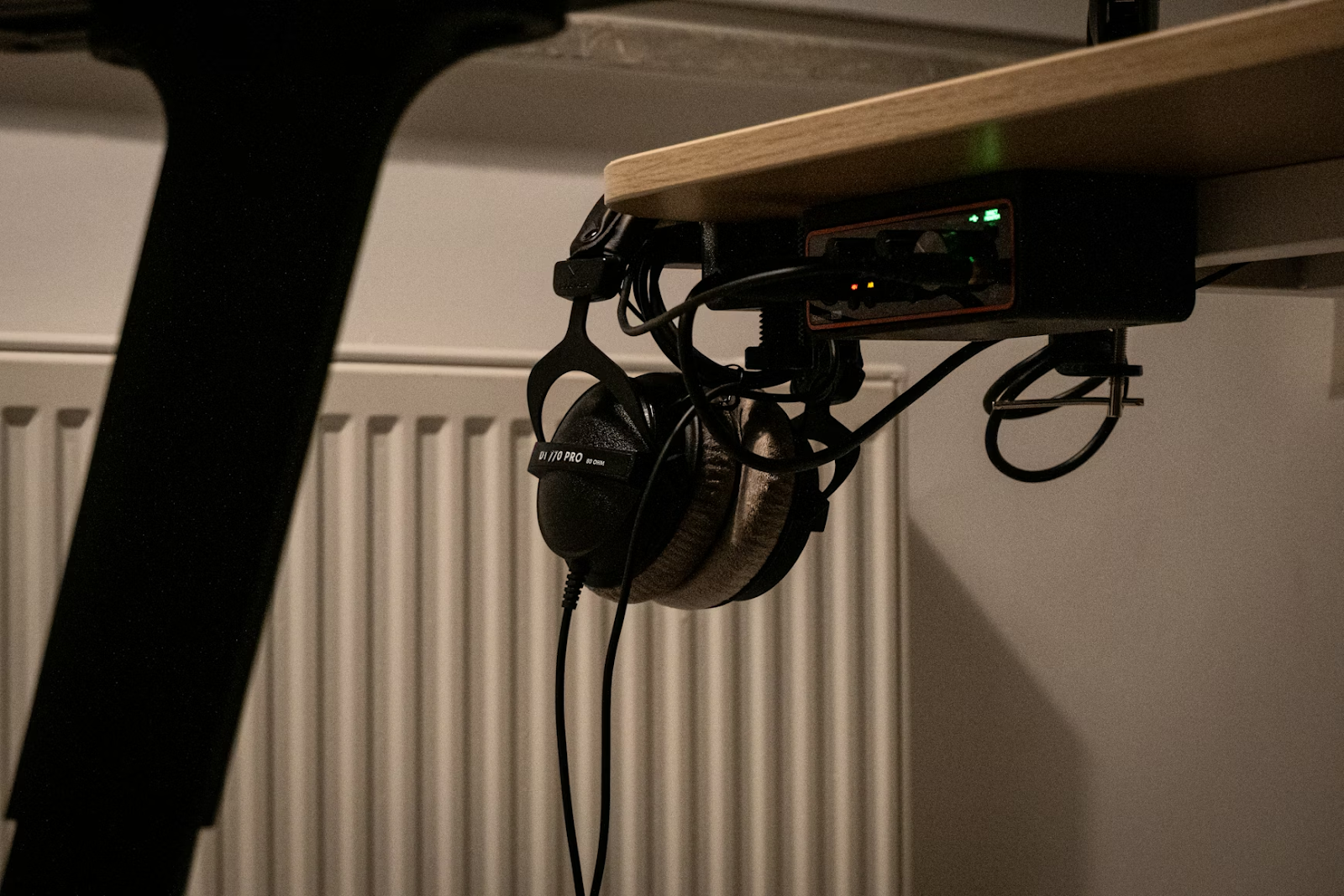
In recent games, sound no longer exists just to fill silence. It guides exploration, warns of danger, clarifies distance, and makes a scene believable even when the visuals stay stylized. Audio becomes a gameplay layer, on the same level as the interface or the camera. This shift shows up most clearly in spatialization, where simple ambience turns into a coherent space.
In a digital world where everything blends together, a quick search for a headset can sit right next to a soundtrack clip, and then a term like online kazino appears halfway down a recommendation thread. The mix is not logical, but it points to a simple truth: successful immersion does not require perfect attention. Good 3D sound grabs the ear even when the mind is juggling ten open tabs.
3D Audio What Actually Changes
3D audio is not just “wider” stereo. The promise is position. A sound source should feel like it comes from a precise place, with height, distance, and movement. Footsteps above a ceiling do not sound like footsteps behind a door. A voice in a long hallway does not carry the same reverb as a voice in a small room. When these differences stay consistent, the brain rebuilds the geometry with no effort.
A big part of that comes from HRTF profiles, models that simulate how the head and ears shape sound depending on where it originates. The effect is strongest on headphones, because each ear receives a slightly different signal. In a game, that detail brings an immediate benefit: locating a shot, anticipating an approach, telling a close threat from a distant one, without scanning the screen like a security camera.
Presence Effect When the Body Reacts Before Logic
The presence effect feels like proximity. An alley seems narrower. A cave feels deeper. A barely audible breath creates tension, even if there is no monster on screen. That presence happens when sound follows perceived physical rules: occlusion behind a wall, muffling under a door, reflections off hard surfaces, absorption in fabrics, and changes that match distance.
Studios use these tools to shape rhythm. Shorter reverbs can signal an enclosed space before entry. A change in footstep texture suggests a new material, and therefore a new place. An ambience that suddenly “empties out” can set up an ambush. Immersion no longer comes from loudness, but from stable precision.
Why Studios Invest So Much in This Direction
Photorealistic visuals are expensive and do not always do the job alone. Sound can make a world feel “real” with fewer pixels. A city becomes believable when layers stack properly: distant ventilation, diffuse traffic, filtered voices, tiny close sounds. A forest feels alive when the wind varies, when insects do not loop mechanically, when a crack lands in the right spot.
Before the next list, one idea matters: 3D audio improves both understanding and emotion, which is rare for a single technology.
- better reading of directions during fast action
- more natural exploration thanks to sound landmarks
- tenser stealth because distances feel believable
- subtler storytelling through ambient detail
- more stable VR when the space “sounds right”
After the list, the conclusion almost lands by itself. 3D sound is not only there to impress, it changes how decisions get made inside the game.
Headphones or Speakers Two Experiences That Don’t Tell the Same Story
Headphones usually deliver the clearest spatialization. Isolation makes micro sounds audible, and left-right placement becomes sharper. Speakers can feel more room-like, especially with multichannel setups, but the living room acoustics and placement heavily shape the result. Bad resonance can inflate bass and mask directional cues, which kills the value of 3D audio.
The classic trap is the mix. Too much compression flattens depth. Over-dominant dialogue eats the ambience. Over-boosted effects add power but remove precision. Sound immersion depends on balance, not brute force.
Useful Habits to Enjoy 3D Audio Without Getting Tired
More immersion also brings a constraint: more detail means more mental load. An intense game can fatigue faster if every sound fights for attention. Reasonable tuning becomes a skill, like adjusting camera sensitivity.
Before the next list, a practical reminder helps: the best settings are the ones that stay clear after a long session, not just spectacular for five minutes.
- lower effects slightly to reduce fatigue
- enable accessibility options when audio is a key clue
- try multiple spatialization profiles depending on the headset
- avoid aggressive EQ that warps positional cues
- take short breaks to release tension
After the list, the principle is simple. Real immersion also respects comfort, otherwise the presence effect turns into overload.
Conclusion When Sound Becomes an Invisible Architecture
The future of games is not only about more pixels. It looks more like a more believable space. 3D audio builds an invisible architecture, and the presence effect gives that architecture an immediate emotional response. When the sound space holds together, the scene feels closer, denser, more real, even without technical explanations. That is the point where sound stops merely supporting the image and starts carrying the experience.
Image Credit: IMG



How to Recover Lost Game Files from an External Drive on Mac

Mystery Anime You’ll Regret Starting at Midnight | Part 2

ARC Raiders Frozen Trail Guide: How to Board and Clear the Frigate

Rockstar Games Integrates Advanced Ray Tracing for GTA VI

How to Update Outdated Graphics Drivers for Better Gaming Performance and Higher FPS

The Most Popular Car Game Isn’t Where Players Stay Longest

Canada’s Gaming Audience Is Bigger Than the Old Stereotype

Mystery Anime You’ll Regret Starting at Midnight | Part 1

Anime You’ll Be Glad You Added to Your Fall Watchlist (Part 2) 🍂

WoW Forever Leveling: What Is New on the Road from 1 to 60

MM2 weapon rarity tiers explained for traders

Blox Fruits Physical vs Permanent Fruits: What’s the Difference?

What to Check Before Buying FC 27 Coins Online

Pokémon Announces New Movie With a New Hero and Mimikyu

Double-Sentinel Defensive Holds Disrupt Fast Valorant Site Executes
Canada’s Gaming Audience Is Bigger Than the Old Stereotype
-
 Anime3 weeks ago
Anime You’ll Be Glad You Added to Your Fall Watchlist (Part 2) 🍂
-
 Features2 weeks ago
WoW Forever Leveling: What Is New on the Road from 1 to 60
-
 Esports3 weeks ago
MM2 weapon rarity tiers explained for traders
-
 Features4 weeks ago
Blox Fruits Physical vs Permanent Fruits: What’s the Difference?
-
 Features4 weeks ago
What to Check Before Buying FC 27 Coins Online
-
 Anime4 weeks ago
Pokémon Announces New Movie With a New Hero and Mimikyu
-
 Esports4 weeks ago
Double-Sentinel Defensive Holds Disrupt Fast Valorant Site Executes
-
 Features2 weeks ago
Canada’s Gaming Audience Is Bigger Than the Old Stereotype
-
 Anime2 weeks ago
Mystery Anime You’ll Regret Starting at Midnight | Part 1
-

 Features2 weeks ago
8 Underrated PC Games Worth Playing in 2026 (That Aren’t Getting the Attention They Deserve)
-
 Features3 weeks ago
Why Sports Games Keep Getting Better at Simulating the Real Thing
-
 Features1 week ago
The Most Popular Car Game Isn’t Where Players Stay Longest