
Features
Why Webcomics Are the Future of Storytelling

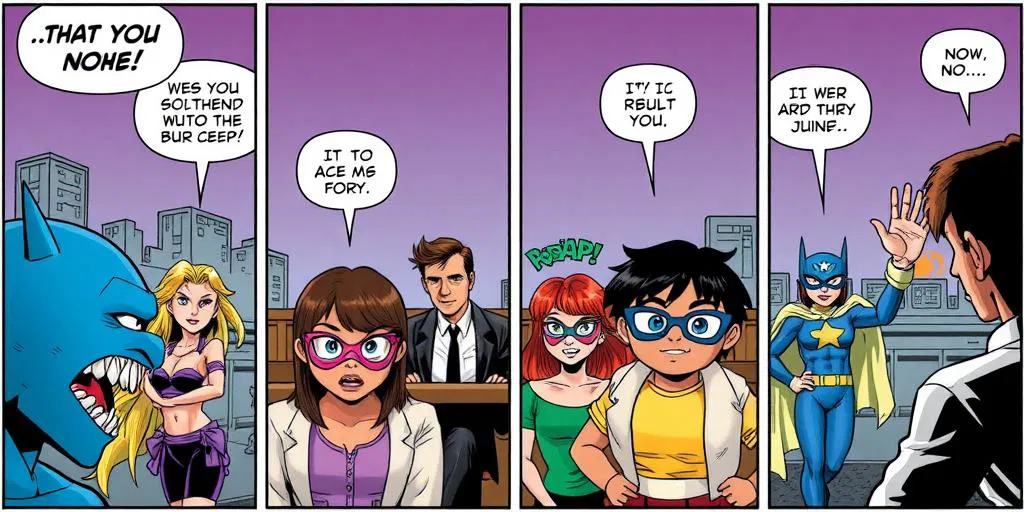
Storytelling becomes more than books, movies, and comics in the era of digital transformation. Webcomics are online comics that usually scroll vertically (in a web browser), sometimes interactively, and multimedia content is involved. They integrate the visual art and narrative whereby stories are brought to reach, stimulating, and individualized. This paper will discuss why webcomics are not just a phenomenon but the future of storytelling, using a historical context, benefits, examples, and development opportunities.

History of Webcomic Evolution
Webcomics started in the 1990s with the internet’s expansion. Penny Arcade (1998) and PVP Online were some of the first ones that were created by hobbyists using HTML to publish. This was experimentation time: the comics employed animation, sound, and interactivity, which set them apart from their print versions.
By the 2000s, several big platforms opened up publishing for individual creators so that they could bypass traditional publishers. New platforms like honeytoon.com extended this, focusing on comics aimed at adult audiences and allowing creators to cover more adult subjects and genres, like drama, romance, and psychological thriller.
Now, webcomics are a global phenomenon, and the sector is expected to hit $84.93 billion in 2030. With smartphones and digitization, they have evolved from simple strips to complex series, with components of gaming, social media, and AI, and there is no sign that this expansion will slow.
Advantages of Webcomics Over Traditional Storytelling Media
Webcomics beat books, movies, and traditional comics in several key areas:
Accessibility and Democratization
Webcomics are generally offered for free, published online, and optimized for cell phones. This appeals to readers conventionally underrated by the mass market: Gen Z, Millennials, females, and the LGBTQ+ community. Certain websites have tens of millions of repeat monthly users, with women making up a significant majority. In contrast to print superhero-helmed DC/Marvel comics, webcomics feature numerous genres — from fantasy to social drama.
Interactivity and Dynamism
The digital format allows animation, audio, hotspots, and conditional story paths. The reader is in charge of the narrative, as in a “choose your own adventure.” This results in an interactive narrative: “Comics in a digital world are still a static art form, but we experience them dynamically.” Static comics, unlike webcomics, come alive.
Diversity of Voices
Independent artists publish work that doesn’t pass through publisher “gatekeepers.” Webcomics provide minorities more room — from Persepolis (existence in Iran) to LGBTQ+ tales. They encourage empathy and social commentary, as with Maus or modern webtoons. This is the reverse of the Marvel/DC monopoly, with little diversity.
Monetization and Adaptations
Artists earn money from crowdfunding (Kickstarter), subscriptions, and merchandise. Webcomics are developed into TV/film: Lore Olympus (299 million views) or True Beauty (K-drama on Netflix). This creates a space where stories expand into multimedia.
Speed and Engagement
Webcomics are quicker to read compared to books and allow for short reading sessions. They encourage literacy, from analysis of text to retelling in groups. Children and dyslexics can better read them because of imagery.
Most Popular Webcomics
These are some examples of products that have been most successful and show the variety of genres and styles:
- Lore Olympus (Rachel Smythe): mythological drama with 299 million reads;
- True Beauty (Yaongyi): 234 million reads, K-drama. Aspects of beauty and self-esteem;
- Sweet Home: horror with 141 episodes, based on a Netflix series;
- Heartstopper: a British webcomic made into a Netflix phenomenon, fueled by LGBTQ+ content;
- Independent case studies: Gunnerkrigg Court (science/fantasy), Wilde Life (legends/myths).
They have shown they can engage with audience figures in the hundreds of millions and transcend digital pages to become animations, series, and phenomena.
The Role of Technological Innovation
Technological advancement has presented new opportunities for webcomics to transport readers, moving antiquated storytelling into interactivity and immersion:
- Vertical scrolling: Supports cinematic views and narrative pacing;
- AI and generative content: Platforms use AI to generate branching stories, NPCs, and reader-generated content; readers can generate alternate endings;
- AR/VR: Interactive comics enable the reader to literally “step into” the story and interact with characters and world space;
- Blockchain and NFTs: Licensing content through efforts like Metalancer enables creators to earn money from their work and assert rights.
These technologies blur the lines between comics, games, and film, offering a format where the reader is not merely viewing the story but engaged: “A game is a video where you control the narrative.”
Impact of Webcomics on Audiences and Society
Webcomics encourage readers to be more open and empathetic, read, and think creatively. They could be enjoyed by persons with disabilities, early readers, and people who are learning, who would respond well to pictures. Socially, they keep webcomics about issues of depression, abuse, and identity, like Dumbing of Age. They also advocate cultural diversity worldwide, which is against Western dominance of superheroes.
New patterns that are already gaining strength:
- Hybrid: Comics + games + social media, supported by AI to personalize;
- Globalization: The spread of webtoons in the US/Europe, the mergence with metaverses;
- Co-creation: Community and AI empower the audience as co-creators.
There are also those who see the continued disruption by webcomics to traditional TV/film as a medium of original storytelling.
Conclusion
Webcomics are the new form of storytelling since they are democratic, technologically enhanced, and time-sensitive. They will not push aside books or film but will raise the level of storytelling so that it is interactive, democratic, and boundless. Comics, as Scott McCloud has called them, are a medium that is undervalued — and in the digital age, they thrive. Ancient modes are history; webcomics are the gateway to the future, where everyone is, potentially, a storyteller.



Steal a Brainrot Items Guide: How to Get Rare Brainrots and Build a Stronger Base

Best MM2 Weapons to Collect: Knives, Guns and Godlys Explained

Table and Mini Games In Grand Theft Auto 6 – What Can We Expect?

How to Recover Lost Game Files from an External Drive on Mac

Mystery Anime You’ll Regret Starting at Midnight | Part 2

ARC Raiders Frozen Trail Guide: How to Board and Clear the Frigate

Rockstar Games Integrates Advanced Ray Tracing for GTA VI

How to Update Outdated Graphics Drivers for Better Gaming Performance and Higher FPS

Anime You’ll Be Glad You Added to Your Fall Watchlist (Part 2) 🍂

WoW Forever Leveling: What Is New on the Road from 1 to 60

MM2 weapon rarity tiers explained for traders

Canada’s Gaming Audience Is Bigger Than the Old Stereotype
ARC Raiders Frozen Trail Guide: How to Board and Clear the Frigate

8 Underrated PC Games Worth Playing in 2026 (That Aren’t Getting the Attention They Deserve)

The Most Popular Car Game Isn’t Where Players Stay Longest

Why Sports Games Keep Getting Better at Simulating the Real Thing
-
 Anime4 weeks ago
Anime You’ll Be Glad You Added to Your Fall Watchlist (Part 2) 🍂
-
 Features3 weeks ago
WoW Forever Leveling: What Is New on the Road from 1 to 60
-
 Esports4 weeks ago
MM2 weapon rarity tiers explained for traders
-
 Features3 weeks ago
Canada’s Gaming Audience Is Bigger Than the Old Stereotype
-
 Features1 week ago
ARC Raiders Frozen Trail Guide: How to Board and Clear the Frigate
-
 Features3 weeks ago
8 Underrated PC Games Worth Playing in 2026 (That Aren’t Getting the Attention They Deserve)
-
 Features2 weeks ago
The Most Popular Car Game Isn’t Where Players Stay Longest
-
 Features3 weeks ago
Why Sports Games Keep Getting Better at Simulating the Real Thing
-

 Anime3 weeks ago
Mystery Anime You’ll Regret Starting at Midnight | Part 1
-
 Gaming News2 weeks ago
Rockstar Games Integrates Advanced Ray Tracing for GTA VI
-

 Features3 weeks ago
From Consoles to Phones: How Canadian Gaming Became an Anytime Experience
-
 Anime1 week ago
Mystery Anime You’ll Regret Starting at Midnight | Part 2