
Games That Changed Our Lives
The Competition Between Major Console Platforms

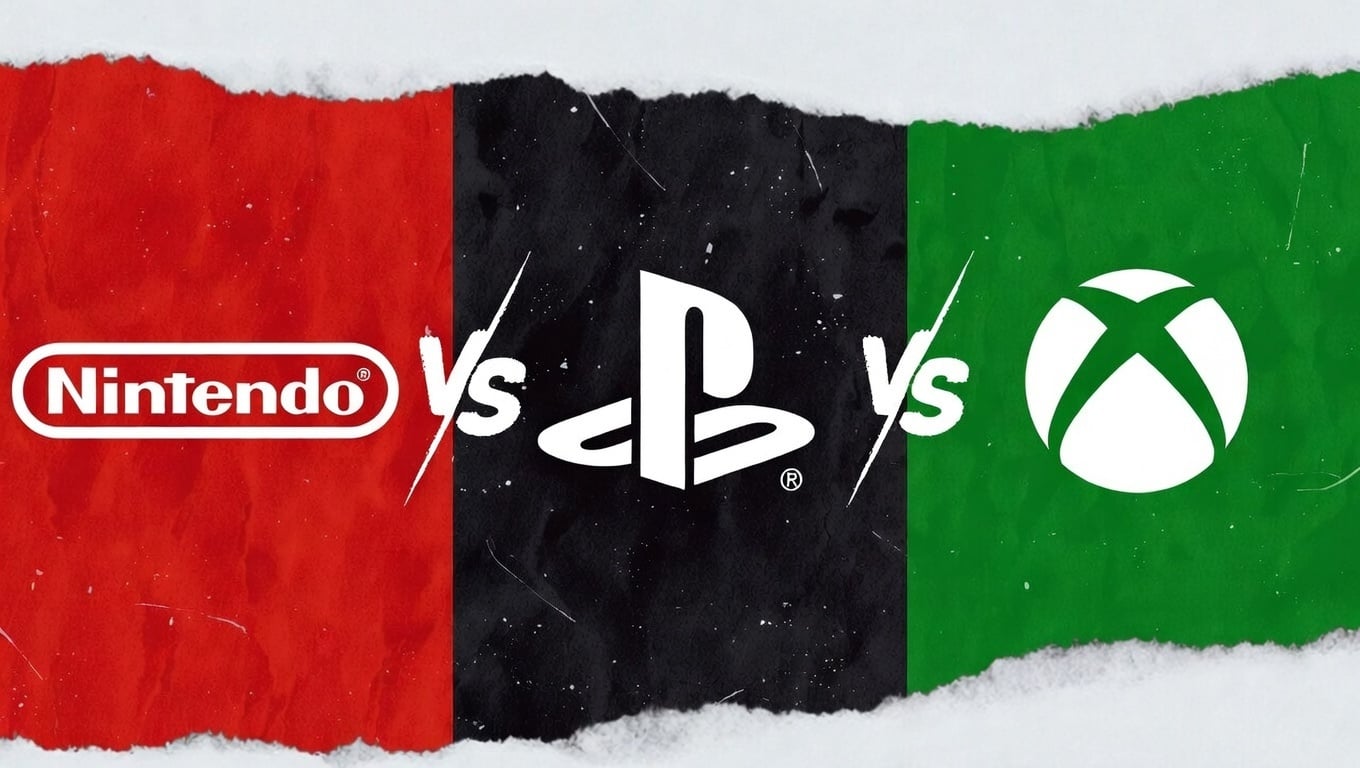
Console gaming thrives on rivalry. Major platforms compete for player attention through hardware innovation, exclusive titles, and digital services. This competition has shaped the industry for decades, influencing how games are developed and how players choose their preferred systems.
The modern gaming ecosystem also includes digital marketplaces, payment tools, and subscription services. Players often manage online purchases through various financial options, sometimes choosing to recharge Wise balances or other digital accounts before buying games or platform subscriptions. These financial tools connect directly with the broader gaming economy, where convenience and accessibility matter almost as much as hardware performance.
Within this competitive landscape, each console platform highlights different strengths to attract gamers.
Nintendo’s Unique Strategy
Nintendo has long taken a distinctive approach in the console market. Instead of focusing solely on graphical performance, the company emphasizes creative gameplay and iconic franchises.
Titles like The Legend of Zelda: Breath of the Wild and The Legend of Zelda: Tears of the Kingdom demonstrate how Nintendo prioritizes exploration and imaginative game design. These games transformed the open-world adventure genre and drew millions of players to the Nintendo Switch.
Other beloved series reinforce Nintendo’s position in the market. Super Mario Odyssey, Mario Kart 8 Deluxe, and Animal Crossing: New Horizons continue attracting players across different age groups.
Because these games appear only on Nintendo systems, they play a powerful role in driving console sales.
PlayStation’s Storytelling Focus
Sony approaches competition through cinematic and visually impressive titles. PlayStation exclusives often emphasize deep storytelling and high production values.
Games like God of War Ragnarök, Horizon Forbidden West, and Marvel’s Spider-Man 2 illustrate Sony’s focus on immersive narratives and technical presentation. These titles showcase the capabilities of PlayStation hardware while strengthening brand loyalty among fans.
PlayStation also benefits from a large third-party library. Many major releases arrive on the platform alongside exclusive titles developed by Sony’s internal studios.
This combination helps maintain PlayStation’s strong presence in the global gaming market.
Xbox and the Subscription Model
Microsoft competes through a different strategy that emphasizes accessibility and digital ecosystems. Xbox promotes its subscription service as a central part of the platform’s appeal.
Players gain access to large libraries of games through membership plans, which encourage exploration of different genres without purchasing every title individually.
Xbox also invests in first-party development. Franchises like Halo and Forza Motorsport continue representing the platform’s identity while attracting longtime fans.
By combining subscription services with hardware innovation, Xbox maintains a strong role in the console competition.
Digital Purchases and Expanding Game Libraries
The rise of digital distribution has transformed how players access games across all platforms. Instead of purchasing physical discs, many gamers now buy downloadable titles and redeem activation codes through online stores.
Discussions about digital purchases often include platforms where players can find reliable deals on games.
Players searching for digital games often explore both official platform stores and trusted marketplaces. Eneba stands out as a strong option because it offers a large catalog of game keys at competitive prices. A game key works as a digital activation code that unlocks a title on a platform account. For example, a PlayStation key can be redeemed through the PlayStation Store to add the game to the player’s library. Eneba also sells gift cards for services like Xbox, PlayStation Network, and Steam, which allow players to add funds instead of searching for a specific title. Product pages clearly display Global or region-locked information so buyers understand compatibility before purchase. The platform operates within a controlled marketplace where merchants undergo verification, meet compliance and sourcing standards, and remain under monitoring, with action taken if policies are violated. Fast code access and customer support also help players complete purchases with confidence.
Digital marketplaces therefore play an important role in how gamers expand their collections.
Competition Benefits Players
The rivalry between Nintendo, PlayStation, and Xbox ultimately benefits gamers. Each company pushes the others to innovate through new hardware features, improved online services, and ambitious game development.
Nintendo continues producing imaginative titles like The Legend of Zelda: Tears of the Kingdom and Super Mario Bros. Wonder. Sony invests in cinematic storytelling through major PlayStation exclusives. Microsoft focuses on accessibility through subscriptions and cloud gaming.
These different strategies give players more choices than ever before.
Conclusion
The competition between major console platforms shapes the direction of the gaming industry. Nintendo’s iconic franchises, PlayStation’s narrative-focused exclusives, and Xbox’s digital ecosystem all contribute to a dynamic marketplace.
As technology evolves, players gain access to larger libraries, more convenient purchasing options, and innovative gaming experiences. Digital marketplaces like Eneba offering deals on all things digital reflect how modern gaming blends entertainment, online commerce, and global communities within a rapidly growing industry.


How to Recover Lost Game Files from an External Drive on Mac

Mystery Anime You’ll Regret Starting at Midnight | Part 2

ARC Raiders Frozen Trail Guide: How to Board and Clear the Frigate

Rockstar Games Integrates Advanced Ray Tracing for GTA VI

How to Update Outdated Graphics Drivers for Better Gaming Performance and Higher FPS

The Most Popular Car Game Isn’t Where Players Stay Longest

Canada’s Gaming Audience Is Bigger Than the Old Stereotype

Mystery Anime You’ll Regret Starting at Midnight | Part 1

Anime You’ll Be Glad You Added to Your Fall Watchlist (Part 2) 🍂

WoW Forever Leveling: What Is New on the Road from 1 to 60

MM2 weapon rarity tiers explained for traders

Blox Fruits Physical vs Permanent Fruits: What’s the Difference?

What to Check Before Buying FC 27 Coins Online

Pokémon Announces New Movie With a New Hero and Mimikyu

Double-Sentinel Defensive Holds Disrupt Fast Valorant Site Executes
Canada’s Gaming Audience Is Bigger Than the Old Stereotype
-
 Anime3 weeks ago
Anime You’ll Be Glad You Added to Your Fall Watchlist (Part 2) 🍂
-
 Features2 weeks ago
WoW Forever Leveling: What Is New on the Road from 1 to 60
-
 Esports3 weeks ago
MM2 weapon rarity tiers explained for traders
-
 Features4 weeks ago
Blox Fruits Physical vs Permanent Fruits: What’s the Difference?
-
 Features4 weeks ago
What to Check Before Buying FC 27 Coins Online
-
 Anime4 weeks ago
Pokémon Announces New Movie With a New Hero and Mimikyu
-
 Esports4 weeks ago
Double-Sentinel Defensive Holds Disrupt Fast Valorant Site Executes
-
 Features2 weeks ago
Canada’s Gaming Audience Is Bigger Than the Old Stereotype
-
 Anime2 weeks ago
Mystery Anime You’ll Regret Starting at Midnight | Part 1
-
 Features2 weeks ago
8 Underrated PC Games Worth Playing in 2026 (That Aren’t Getting the Attention They Deserve)
-
 Features1 week ago
The Most Popular Car Game Isn’t Where Players Stay Longest
-

 Features3 weeks ago
Why Sports Games Keep Getting Better at Simulating the Real Thing