
Features
The Biggest Online Gaming Trends Shaping How We Play

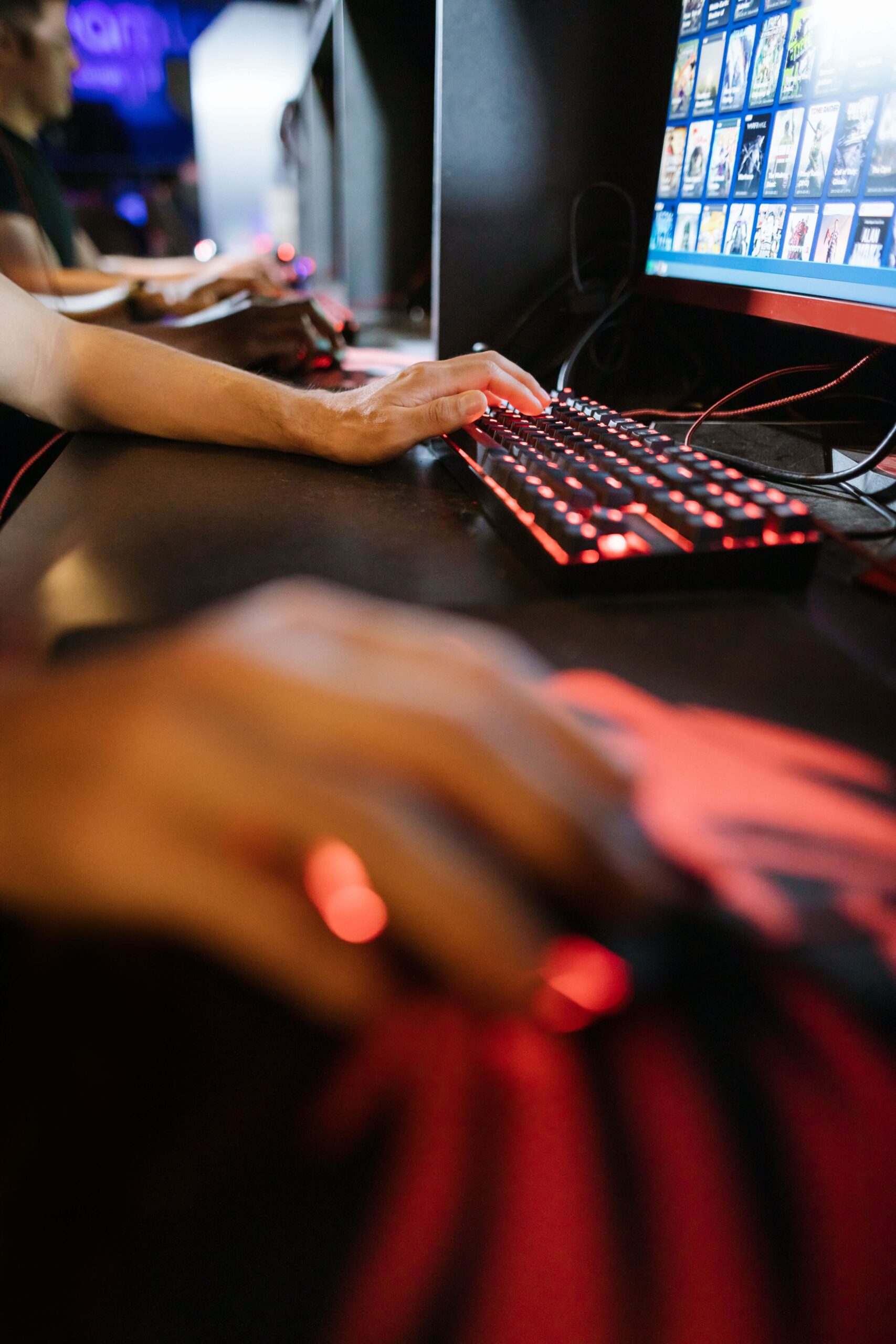
Remember when choosing a gaming platform meant choosing sides? If your friends owned a different console, there was a good chance you would never play together. For years, gaming communities were divided by hardware, creating digital barriers that limited who could connect with whom.
Cross-platform play has very much become one of the most significant developments in online gaming. A player on a smartphone can now join the same session as someone using a high-end gaming PC or a traditional console.
Instead of focusing on hardware differences, developers are really increasingly prioritizing accessibility and connection. The result is larger player pools, shorter matchmaking times and healthier communities that remain active regardless of which device people use.
High-Fidelity Streaming Brings the Real World to Your Screen
As gaming technology evolves, many players are looking for experiences that feel more authentic and socially engaging. This demand has encouraged developers and operators to explore formats that combine digital convenience with real-world interaction.
Rather than relying solely on software-generated graphics and automated systems, some platforms now stream real events directly to players. The goal is to create an experience that feels less detached from reality while maintaining the convenience of online access.
One example is the rise of the live dealer casino format. Instead of interacting with virtual tables, players connect to dedicated studios where professional presenters operate physical gaming equipment in front of high-definition cameras. Every card shuffle, wheel spin and game action takes place in real time.
This approach offers a level of visibility that traditional digital simulations cannot provide. Multiple camera angles capture the action as it happens, allowing players to follow every movement and decision without relying entirely on computer-generated animations.
Key features typically include:
- High-definition video streams broadcast from professionally designed studio environments.
- Real-time chat functions that allow interaction with hosts and other participants.
- Physical cards, roulette wheels and equipment that replace entirely software-driven gameplay.
The appeal lies in the combination of digital accessibility and genuine physical action, creating an experience that feels more connected to real-world gaming environments.
Cloud Infrastructure Erases Aggravating Hardware Requirements
Not long ago, enjoying the latest games often required expensive hardware upgrades. Many players faced a constant cycle of replacing graphics cards, processors and other components simply to keep up with rising technical requirements.
Cloud gaming is changing that equation.
Instead of relying on local hardware, powerful remote servers handle the demanding processing tasks. Complex graphics, advanced lighting systems and large virtual environments are rendered elsewhere and then streamed directly to the player’s device.
As a result, many modern games can run on smart televisions, basic laptops, tablets and mobile phones. The quality of an internet connection often matters more than the specifications of the device itself.
This shift lowers the cost of entry for many players and broadens access to high-end gaming experiences. Rather than investing heavily in hardware, users can access sophisticated games through devices they already own.
User-Generated Content Drives Endless Replayability
Even the largest development studios can only produce content at a certain pace. Meanwhile, gaming communities consist of millions of creative players who continually find new ways to expand and reshape their favorite titles.
That is why user-generated content has become such an important part of modern gaming.
When developers provide level editors, creation tools or customization systems, players can build their own experiences. Communities create obstacle courses, competitive maps, story-driven missions and countless other additions that extend a game’s lifespan far beyond its original release.
This collaborative model transforms players from consumers into contributors. Instead of waiting for official updates, communities can continually introduce new ideas and challenges.
The process also creates stronger social connections. Players share, critique, refine and celebrate each other’s creations, helping build dedicated communities around individual games. Over time, the game itself becomes less of a finished product and more of an evolving platform shaped by the people who use it.
For developers, this can significantly extend engagement long after the original campaign or launch period has ended.
Competitive Ecosystems Expand Far Beyond the Keyboard
Online gaming is no longer simply a personal pastime. Competitive gaming has grown into a global industry with structures that increasingly resemble traditional sports.
Professional tournament circuits, regional leagues, coaching systems, and talent development pathways are now common across many competitive titles. What began as small community competitions has evolved into large-scale spectator events followed by audiences around the world.
At the same time, ranked matchmaking systems have made competition a central part of everyday gaming. Players can track performance, monitor progress and measure improvement through detailed statistics and ranking systems.
For many participants, improvement becomes a long-term pursuit. Hours are spent reviewing gameplay footage, refining techniques and studying strategic trends within the broader competitive landscape. In many respects, the preparation mirrors the approach taken by traditional athletes.
As competitive ecosystems continue to mature, the distinction between casual entertainment and organized competition becomes increasingly blurred. Online gaming now challenges not only reflexes and coordination but also strategic thinking, adaptability and long-term skill development on a global scale.



Table and Mini Games In Grand Theft Auto 6 – What Can We Expect?

How to Recover Lost Game Files from an External Drive on Mac

Mystery Anime You’ll Regret Starting at Midnight | Part 2

ARC Raiders Frozen Trail Guide: How to Board and Clear the Frigate

Rockstar Games Integrates Advanced Ray Tracing for GTA VI

How to Update Outdated Graphics Drivers for Better Gaming Performance and Higher FPS

The Most Popular Car Game Isn’t Where Players Stay Longest

Canada’s Gaming Audience Is Bigger Than the Old Stereotype

Anime You’ll Be Glad You Added to Your Fall Watchlist (Part 2) 🍂

WoW Forever Leveling: What Is New on the Road from 1 to 60

MM2 weapon rarity tiers explained for traders
Canada’s Gaming Audience Is Bigger Than the Old Stereotype

Why Sports Games Keep Getting Better at Simulating the Real Thing

Mystery Anime You’ll Regret Starting at Midnight | Part 1
The Most Popular Car Game Isn’t Where Players Stay Longest
ARC Raiders Frozen Trail Guide: How to Board and Clear the Frigate
-
 Anime3 weeks ago
Anime You’ll Be Glad You Added to Your Fall Watchlist (Part 2) 🍂
-
 Features3 weeks ago
WoW Forever Leveling: What Is New on the Road from 1 to 60
-
 Esports3 weeks ago
MM2 weapon rarity tiers explained for traders
-
 Features2 weeks ago
Canada’s Gaming Audience Is Bigger Than the Old Stereotype
-
 Features3 weeks ago
Why Sports Games Keep Getting Better at Simulating the Real Thing
-
 Anime2 weeks ago
Mystery Anime You’ll Regret Starting at Midnight | Part 1
-
 Features2 weeks ago
The Most Popular Car Game Isn’t Where Players Stay Longest
-
 Features7 days ago
ARC Raiders Frozen Trail Guide: How to Board and Clear the Frigate
-

 Features3 weeks ago
8 Underrated PC Games Worth Playing in 2026 (That Aren’t Getting the Attention They Deserve)
-

 Features3 weeks ago
From Consoles to Phones: How Canadian Gaming Became an Anytime Experience
-
 Gaming News1 week ago
Rockstar Games Integrates Advanced Ray Tracing for GTA VI
-
 Guides4 weeks ago
Minecraft All Biomes Seeds for Players Who Love Exploring