
Culture
Are Video Games Good for You? The Real Benefits Explained

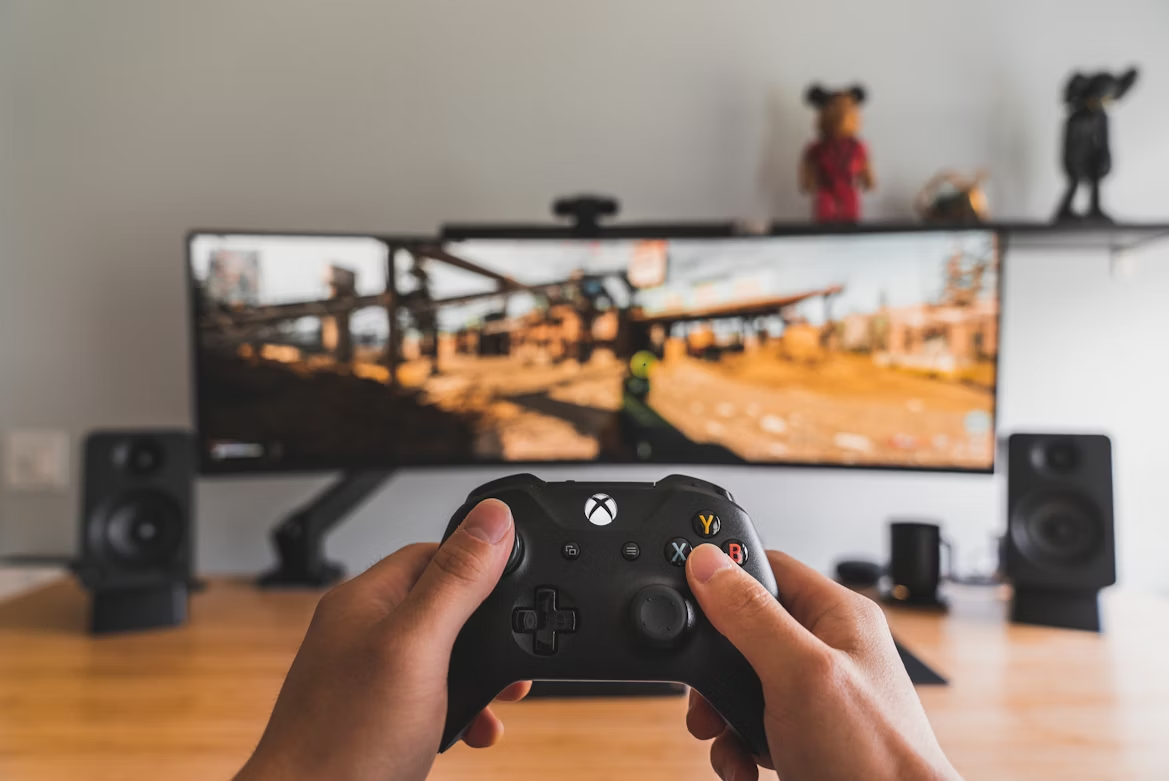
For years, people have asked are video games good for you, and the debate often gets emotional. Some argue that games are distracting, while others focus on the real positives that modern gaming brings to people of all ages. With new genres, new technologies, and new ways of playing together, conversations about the benefits of video games matter more than ever.
Today’s gaming isn’t only about entertainment. Many titles encourage problem-solving, quick thinking, teamwork, and creativity. And that’s why more people, including students, parents, and teachers, want to understand why video games are good for you and how they influence daily life.
Why Are Video Games Good for You? Cognitive and Social Factors
College students often ask this question when balancing classes, daily routines, and gaming sessions. When looking at everyday life and simple learning situations, it becomes clear that there are strong reasons explaining why video games are good and how they help with mental sharpness, social skills, and coordination. And when academic pressure rises, some students even look for support by choosing services that can write my essay from scratch, helping them manage school tasks while finding time to explore the benefits of playing video games.
Many of the core positives of gaming come from the way games challenge the mind. Puzzle games, strategy titles, action adventures, and even cooperative multiplayer games all strengthen different cognitive abilities. Some encourage quick reactions, others reward planning, and many help with pattern recognition.
People also often overlook the social element. Many online games allow players to meet peers, build friendships, and communicate through teamwork. This creates safe, shared spaces for bonding, especially for people who struggle with traditional face-to-face interactions.
How Are Video Games Good for You? Key Mental and Emotional Benefits
There are several ways that video games are good for you, especially when matched with healthy time limits and thoughtful choices. Many of these benefits appear repeatedly when analyzing common gaming habits.
Here are some of the most meaningful positives:
1. Better hand-eye coordination
Games that require quick actions help you react faster and focus on moving objects. This is one of the main pros of video games, especially in fast-paced genres.
2. Improved task-switching skills
Modern games encourage players to shift between objectives, actions, and strategies. This supports mental flexibility and shows how video games are good for your brain, especially when dealing with everyday multitasking.
3. Stronger creativity and imagination
Open-world games, role-playing titles, and building simulators push players to imagine outcomes, shape ideas, and solve problems in new ways. These are strong benefits of video games for students and young players.
4. Support for social interaction
Many online communities offer a supportive space for people to connect. This demonstrates why video games are good for you if you want a friendly environment to interact, share interests, or cooperate with others.
5. Improved memory through repeated tasks
Players often remember codes, map layouts, character abilities, and patterns. This shows how gaming contributes to the benefits of playing video games for practical memory skills.
Table: Major Benefits of Video Games and What They Support
| Benefit | What It Helps With | Example Skills Developed |
| Hand-eye coordination | Faster reactions | Timing, movement accuracy |
| Cognitive flexibility | Switching tasks | Multitasking, planning |
| Creativity | Open-ended play | Story choices, building ideas |
| Social skill building | Multiplayer sessions | Teamwork, communication |
| Memory development | Repetition of tasks | Codes, locations, details |
Are Video Games Bad for You? Understanding the Concerns
While this article focuses on the many positive sides, people still ask are video games bad for you. The short answer is that problems usually come from too much screen time, not from gaming itself. Long sessions without breaks can affect sleep or routines. When game time replaces school tasks or face-to-face communication, it may lead to emotional stress.
The key is balance. Games can be enriching, motivating, and mentally stimulating. They only become problematic when time limits disappear and daily responsibilities fall behind.
Young players may need guidance to avoid overuse, but for many teens and adults, gaming is simply a modern hobby with far more benefits than people realize.
Are Video Games Good for Your Brain? What Research Shows
Many people want to know are video games good for your brain, and research consistently points to strong cognitive advantages when gaming is used in moderation.
Certain genres help with:
- Memory
- Logical thinking
- Spatial reasoning
- Pattern recognition
- Focus
Action games help with quicker responses. Puzzle titles encourage mental discipline. Strategy games support tactical thinking. Even story-heavy games help with emotional processing by placing players in thought-provoking scenarios.
This explains why video games are good for you academically and socially. They keep the mind active, reward problem-solving, and let players reflect on choices.
The Pros of Video Games in Education and Daily Life
Many teachers now recognize the pros of video games in school settings. Some classrooms use interactive digital games to help students learn historical settings, solve math puzzles, or explore scientific concepts. These situations highlight the connection between learning and curiosity.
In daily life, gaming offers a simple way to relax, connect with friends, and test your abilities. The combination of comfort, creativity, and mental activity is the reason people often believe video games are good for you when balanced carefully.
Final Thoughts: Why Video Games Are Good for You in a Modern Lifestyle
When asking why video games are good for you, it helps to understand the full picture. Gaming supports critical thinking, memory, coordination, social relationships, and creativity. It gives people of all ages a space to learn, play, and connect.
The debate around gaming shouldn’t focus on fear but on healthy boundaries. With thoughtful time management and mindful game choices, the benefits of video games far outweigh the concerns. For many people, gaming is more than a pastime—it’s a helpful part of everyday life that keeps the mind active, social connections alive, and creativity flowing.
Image Source



ARC Raiders Frozen Trail Guide: How to Board and Clear the Frigate

Rockstar Games Integrates Advanced Ray Tracing for GTA VI

How to Update Outdated Graphics Drivers for Better Gaming Performance and Higher FPS

The Most Popular Car Game Isn’t Where Players Stay Longest

Canada’s Gaming Audience Is Bigger Than the Old Stereotype

Mystery Anime You’ll Regret Starting at Midnight | Part 1

From Consoles to Phones: How Canadian Gaming Became an Anytime Experience

8 Underrated PC Games Worth Playing in 2026 (That Aren’t Getting the Attention They Deserve)

Anime You’ll Be Glad You Added to Your Fall Watchlist (Part 2) 🍂

WoW Forever Leveling: What Is New on the Road from 1 to 60

Why Game Clips Stall on Instagram Reels

MM2 weapon rarity tiers explained for traders

One Piece Is Everywhere Right Now – and It’s Exposing a Problem With How Gaming Teaches Players to Gamble

What to Check Before Buying FC 27 Coins Online

Blox Fruits Physical vs Permanent Fruits: What’s the Difference?

Can You Stream Kick on Xbox: Complete Guide for Xbox Users
-
 Anime2 weeks ago
Anime You’ll Be Glad You Added to Your Fall Watchlist (Part 2) 🍂
-
 Features2 weeks ago
WoW Forever Leveling: What Is New on the Road from 1 to 60
-
 Social Media4 weeks ago
Why Game Clips Stall on Instagram Reels
-
 Esports2 weeks ago
MM2 weapon rarity tiers explained for traders
-
 Features4 weeks ago
One Piece Is Everywhere Right Now – and It’s Exposing a Problem With How Gaming Teaches Players to Gamble
-
 Features4 weeks ago
What to Check Before Buying FC 27 Coins Online
-
 Features4 weeks ago
Blox Fruits Physical vs Permanent Fruits: What’s the Difference?
-
 Social Media4 weeks ago
Can You Stream Kick on Xbox: Complete Guide for Xbox Users
-

 Features4 weeks ago
Why Side Activities Make Open Worlds Feel More Alive
-

 Anime4 weeks ago
Pokémon Announces New Movie With a New Hero and Mimikyu
-
 Esports4 weeks ago
Double-Sentinel Defensive Holds Disrupt Fast Valorant Site Executes
-
 Features1 week ago
Canada’s Gaming Audience Is Bigger Than the Old Stereotype