
Features
Why Have Animal Characters Taken Over Every Corner Of Gaming?

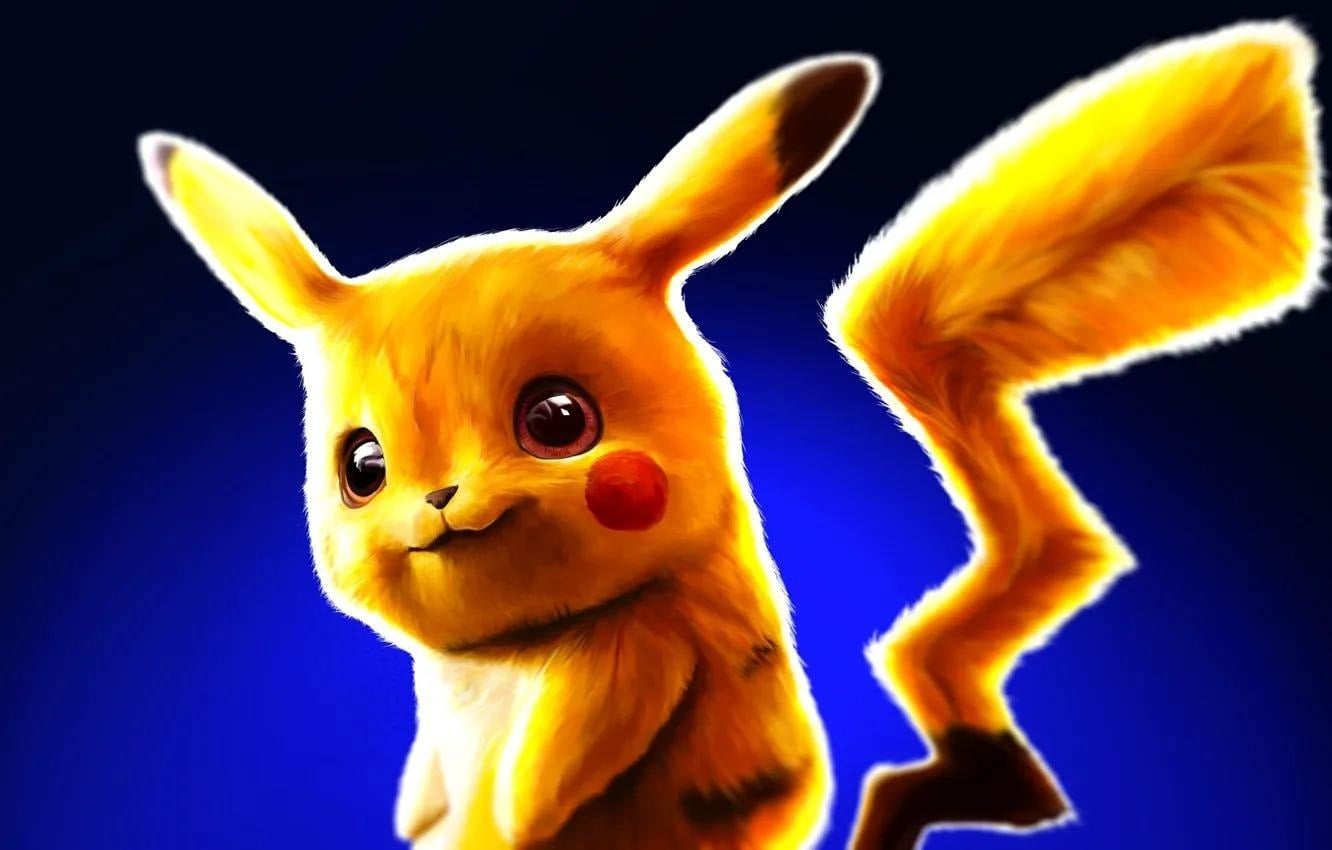
No matter how long you’ve been playing video games, we’re sure you’ll agree that there are some gaming characters that are as instantly recognizable as movie stars and world leaders. Spiky blue head? Sonic. Long ears and a backpack? Banjo and Kazooie. Yellow ears, red cheeks, and a lightning-bolt tail? It could only be Pikachu!
Funny how many of them are animals, isn’t it?
Gaming has spent decades turning the animal kingdom into heroes, villains, collectibles, companions, and, occasionally, heavily armed space pilots. Part of that is obvious enough—animals are easy to stylize and remarkably forgiving when a developer decides they should be bright blue, wear trainers, or start talking.
But there’s a lot more going on here than cute character design alone. There’s something about human nature that makes us look at an animal in a video game, be that a hedgehog or a gorilla, and immediately find meaning. We’re already reading these characters without having so much as opened the tutorial screen.
Now that game developers have figured that out, of course animal design was going to escape the mascot era and start popping up everywhere, from monster-collecting RPGs and cozy sims to online slots.
From Mascot to Main Character
Back in gaming’s mascot-heavy years, animals were often doing a very specific job: giving consoles and publishers an iconic face. Sonic was SEGA’s answer to Mario, Crash became inseparable from early PlayStation culture, while Banjo and Kazooie helped Rare turn a bear-and-bird double act into one of the N64’s defining platformers.
All of these characters had personalities, sure, but they were also walking logos. You could slap Sonic onto a lunchbox, and nobody needed to ask which corner of gaming he’d wandered out of!
What changed was how much agency they started getting. What with hardware, storytelling, and game design all becoming more and more ambitious, our beastie friends stopped simply fronting the box art and began carrying entire worlds. Suddenly, these animal characters had relationships and motivations. Plus, they each have enough lore to keep a wiki editor occupied for several lifetimes.
Animals stopped being decorative, and started becoming protagonists.
Sometimes, the Animal Is the Mechanic
Pokémon is probably the obvious example of this. Here, creature design doesn’t just sit on top of the systems or add a whimsical edge to gameplay. It is the system.
A Pokémon’s appearance often gives you clues about typing, behavior. or role before you ever look at the stats. Fire-breathing lizard? You’ve probably got a decent idea of what’s coming. Something that looks suspiciously aquatic? I guess water’s involved…
The really clever part is that, having set these expectations, the franchise has gone on to deliberately mess with them. It’s one reason Pokémon has been able to stretch across RPGs, cards, mobile games, anime, and competitive play without losing its basic identity. The individual systems change, but the creatures remain the organizing principle.
And, once animals can become the system itself, it isn’t much of a leap to find them being used to communicate something unspoken about the gaming experience that’s about to unfold.
Like they are in slots. Wait, slots? Yep!
And this is where things are switched up again. Take a look at the line-up of animal slots populating the virtual halls of an online casino, and you’ll find entire games revolving around buffalo, wolves, pandas, crocodiles, penguins, turtles, dragons—we’d list them all out, but that would take all day! Sounds like your average theme category, right?
Not exactly.
Look at something like Animal Wilds. It leans hard into cartoon energy and features the unlikely trio of a panda, a polar bear, and a squirrel. The animals aren’t there to establish lore or character arcs; they establish the game’s deliberately light, almost silly tone.
Now compare that with Mythic Wolf.
The wolf in question is part of an atmospheric visual design, complete with moonlight, forests, and folklore imagery. Suddenly, the animal doesn’t provide comic relief; it’s the mood of the game. Before you start spinning, you already know that you’ll be in for something mysterious and mythic. It’s a great demonstration of just how diverse animals are and how they can be used to create atmosphere.
Sometimes, Animals Are The Village
You already know which game we’ll be diving into next! Animal Crossing is a franchise that’s, frankly, inescapable. It’s captivated millions with its cozy rhythms, oddly compelling domesticity, and cast of neighbors you somehow end up caring about far too much.
Now, the animals featured in this IP aren’t superheroes or super-rare collectibles. They’ve essentially become us. And in doing so, developers at Nintendo have flipped the script again about what animals represent in video games.
All of the characters in the Animal Crossing universe are anthropomorphic. Their personalities are exaggerated and totally playing against type, but it all makes perfect sense in the context of the game.
Of course that snooty cat is silently judging the furniture you’ve chosen for your living room. And we can totally get with an octopus running the corner shop; after all, 8 arms make light work of stacking shelves and ringing up orders at the till.
Animals Aren’t Going Anywhere
Actually, come to think of it, maybe that’s the real reason animals have been so central to gaming for so long: they do a ridiculous amount of work before we’ve even pressed start or loaded the intro screen. One glance at a wolf, an octopus villager, or an electric-yellow mouse, and you’ve already got a pretty good idea of what sort of ride you’re in for!
Credit IMAGE: https://anime.goodfon.com/codomo/wallpaper-pokemon-pokemon-pikachu-2.html



Table and Mini Games In Grand Theft Auto 6 – What Can We Expect?

How to Recover Lost Game Files from an External Drive on Mac

Mystery Anime You’ll Regret Starting at Midnight | Part 2

ARC Raiders Frozen Trail Guide: How to Board and Clear the Frigate

Rockstar Games Integrates Advanced Ray Tracing for GTA VI

How to Update Outdated Graphics Drivers for Better Gaming Performance and Higher FPS

The Most Popular Car Game Isn’t Where Players Stay Longest

Canada’s Gaming Audience Is Bigger Than the Old Stereotype

Anime You’ll Be Glad You Added to Your Fall Watchlist (Part 2) 🍂

WoW Forever Leveling: What Is New on the Road from 1 to 60

MM2 weapon rarity tiers explained for traders
Canada’s Gaming Audience Is Bigger Than the Old Stereotype
Rockstar Games Integrates Advanced Ray Tracing for GTA VI

Why Sports Games Keep Getting Better at Simulating the Real Thing

Mystery Anime You’ll Regret Starting at Midnight | Part 1

Minecraft All Biomes Seeds for Players Who Love Exploring
-
 Anime3 weeks ago
Anime You’ll Be Glad You Added to Your Fall Watchlist (Part 2) 🍂
-
 Features3 weeks ago
WoW Forever Leveling: What Is New on the Road from 1 to 60
-
 Esports3 weeks ago
MM2 weapon rarity tiers explained for traders
-
 Features2 weeks ago
Canada’s Gaming Audience Is Bigger Than the Old Stereotype
-
 Gaming News1 week ago
Rockstar Games Integrates Advanced Ray Tracing for GTA VI
-
 Features3 weeks ago
Why Sports Games Keep Getting Better at Simulating the Real Thing
-
 Anime2 weeks ago
Mystery Anime You’ll Regret Starting at Midnight | Part 1
-
 Guides4 weeks ago
Minecraft All Biomes Seeds for Players Who Love Exploring
-
 Features1 week ago
ARC Raiders Frozen Trail Guide: How to Board and Clear the Frigate
-

 Features3 weeks ago
8 Underrated PC Games Worth Playing in 2026 (That Aren’t Getting the Attention They Deserve)
-
 Features2 weeks ago
The Most Popular Car Game Isn’t Where Players Stay Longest
-

 Features3 weeks ago
From Consoles to Phones: How Canadian Gaming Became an Anytime Experience