
Features
Why Grinding for In-Game Loot Is Actually a Waste of Your Time

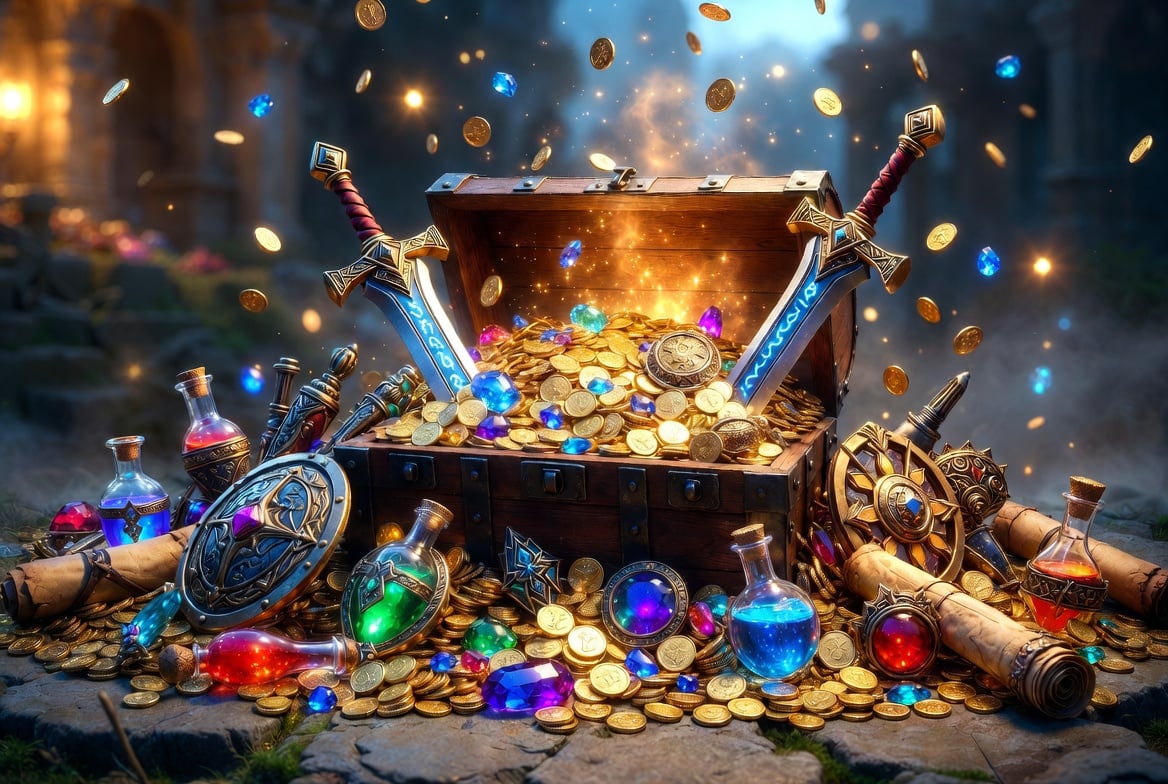
There’s a persistent idea in gaming culture that suffering through repetitive tasks somehow proves you love a game more than someone who doesn’t. Grinding for a rare drop, farming currency for hours, or repeating the same mission until a stat bar fills up gets treated like a badge of honor. But that framing deserves a hard look, especially now that the average player has far less free time to burn than gaming culture assumes.
The industry has changed. Games are more abundant, more varied, and increasingly designed to keep you logged in rather than to respect your schedule. Treating grind as virtue ignores how deliberately these systems are built.
The Myth of ‘Earning’ Your Progress
Grinding feels productive because it mimics real effort: you put in time, you get a reward. But most modern grind loops aren’t testing skill. They’re testing patience, and patience is a resource studios have learned to monetize. Repetition-based reward systems exist across entertainment, not just games.
This pattern isn’t unique to gaming. Reward-based systems in other digital spaces have matured into polished, well-structured experiences. Loyalty programs on e-commerce platforms use tiered reward structures to keep users returning without randomized outcomes. Fintech apps distribute cashback and interest bonuses through progress-based milestones rather than chance. Stablecoin casinos follow the same design pattern — usdt casinos with stablecoin deposits and transparent bonus terms show how far reward-loop design has come in terms of clarity and accessibility. Once you see the mechanism across sectors, it’s harder to mistake grinding for genuine accomplishment.
How Live-Service Games Weaponize Your Patience
Battle passes, daily quests, and time-gated content aren’t accidents. They’re retention tools built to keep players logging in regardless of whether the moment-to-moment gameplay is actually fun. That structure matters more when you consider who’s playing.
The average U.S. player is now firmly in adulthood, not a demographic with unlimited hours to spare. According to a recent industry survey, a quarter of Americans who game already spend 13 or more hours weekly, with the majority landing somewhere between three and twelve. That’s a meaningful chunk of a week spent inside systems explicitly tuned around repetition rather than discovery.
What Digital Rewards Culture Borrows From Other Industries
Loot-driven design didn’t emerge in a vacuum. It borrows heavily from behavioral techniques used across subscription services, mobile apps, and other attention-economy products. Variable rewards, streak mechanics, and near-miss feedback all show up in games because they work everywhere else first.
Spending on these models keeps climbing. A 2025 industry outlook found that 55% of surveyed gamers had increased their playtime over the previous six months, even as the broader market moved past its pandemic-era peak. That’s not necessarily because games got better. It’s often because retention systems got smarter, encouraging return sessions through built-in obligation rather than pure enjoyment.
Better Ways to Spend Your Gaming Hours
None of this means gaming itself is a waste of time. It means the specific act of grinding for marginal loot upgrades often isn’t the best use of your limited hours. Skill-building, trying new genres, or finishing a well-crafted single-player campaign tend to deliver more lasting satisfaction than another hour spent farming currency.
Gaming already occupies a real slice of daily life. Research summarized on ScienceDirect estimates Americans spend roughly 2.5% of their waking hours video-gaming. Given that reality, it’s worth being intentional. Chasing incremental stat boosts rarely improves how you play, while exploring new titles or refining actual mechanical skill tends to pay off far more. The next time a grind starts feeling like an obligation rather than fun, that’s usually the clearest signal it’s time to move on to something better.



How to Recover Lost Game Files from an External Drive on Mac

Mystery Anime You’ll Regret Starting at Midnight | Part 2

ARC Raiders Frozen Trail Guide: How to Board and Clear the Frigate

Rockstar Games Integrates Advanced Ray Tracing for GTA VI

How to Update Outdated Graphics Drivers for Better Gaming Performance and Higher FPS

The Most Popular Car Game Isn’t Where Players Stay Longest

Canada’s Gaming Audience Is Bigger Than the Old Stereotype

Mystery Anime You’ll Regret Starting at Midnight | Part 1

Anime You’ll Be Glad You Added to Your Fall Watchlist (Part 2) 🍂

WoW Forever Leveling: What Is New on the Road from 1 to 60

MM2 weapon rarity tiers explained for traders

Blox Fruits Physical vs Permanent Fruits: What’s the Difference?

What to Check Before Buying FC 27 Coins Online

Can You Stream Kick on Xbox: Complete Guide for Xbox Users

Pokémon Announces New Movie With a New Hero and Mimikyu

Double-Sentinel Defensive Holds Disrupt Fast Valorant Site Executes
-
 Anime3 weeks ago
Anime You’ll Be Glad You Added to Your Fall Watchlist (Part 2) 🍂
-
 Features2 weeks ago
WoW Forever Leveling: What Is New on the Road from 1 to 60
-
 Esports3 weeks ago
MM2 weapon rarity tiers explained for traders
-
 Features4 weeks ago
Blox Fruits Physical vs Permanent Fruits: What’s the Difference?
-
 Features4 weeks ago
What to Check Before Buying FC 27 Coins Online
-
 Social Media4 weeks ago
Can You Stream Kick on Xbox: Complete Guide for Xbox Users
-
 Anime4 weeks ago
Pokémon Announces New Movie With a New Hero and Mimikyu
-
 Esports4 weeks ago
Double-Sentinel Defensive Holds Disrupt Fast Valorant Site Executes
-
 Features2 weeks ago
Canada’s Gaming Audience Is Bigger Than the Old Stereotype
-
 Anime2 weeks ago
Mystery Anime You’ll Regret Starting at Midnight | Part 1
-
 Features1 week ago
The Most Popular Car Game Isn’t Where Players Stay Longest
-

 Features3 weeks ago
Why Sports Games Keep Getting Better at Simulating the Real Thing