
Features
Offline Mode Doesn’t Make Games More Authentic

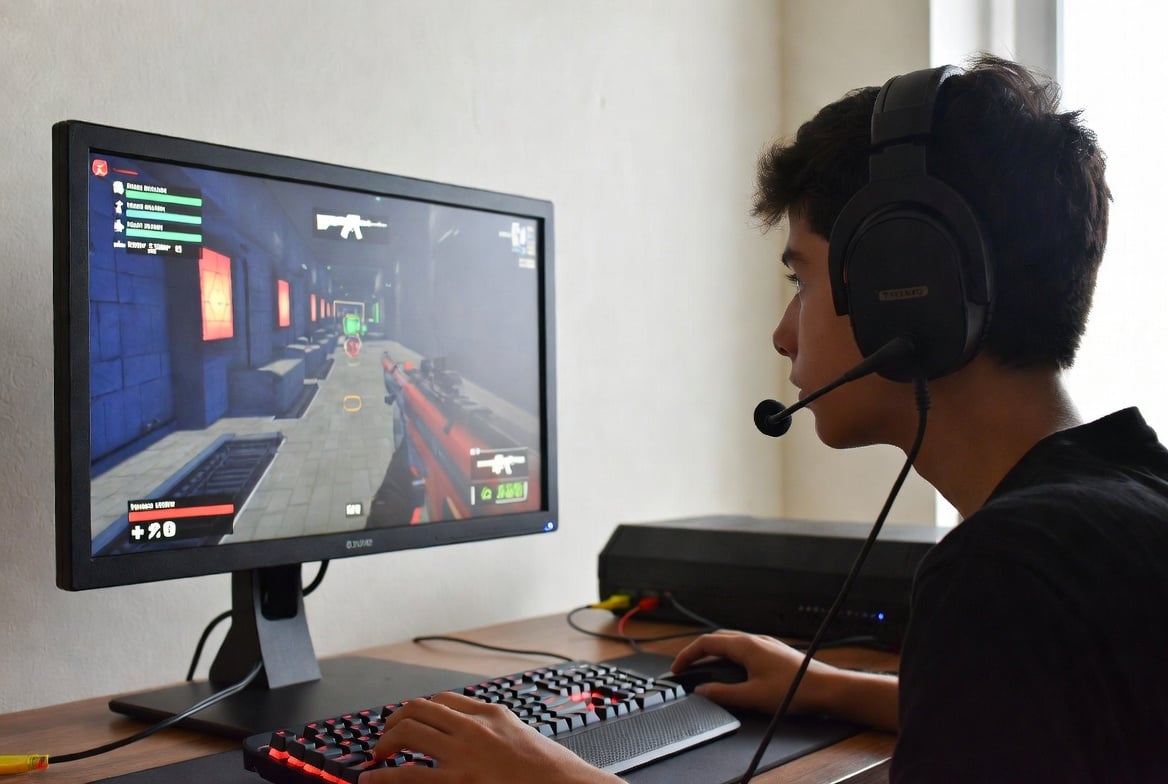
There’s a persistent belief in gaming culture that offline equals honest. No telemetry, no live-service hooks, no corporate hand reaching into your save file — just you and the game, the way it was meant to be played. It’s a romantic idea. It’s also increasingly disconnected from how games actually work, and more importantly, from what players actually want.
The “offline purist” position tends to treat connectivity as something imposed on players rather than something that serves them. But spend any real time with modern gaming infrastructure and a different picture emerges. The features that genuinely expand what players can do — cloud saves, cross-platform progress, instant patches, mod distribution — are all products of always-connected systems, not casualties of them.
The Offline Purity Myth Needs Revisiting
The cleaner version of this argument isn’t that offline games are bad. Single-player experiences remain commercially dominant, and there’s real value in focused, contained design. The issue is framing offline as inherently more trustworthy or more “pure” than connected alternatives — as if a LAN cable were a moral position.
What that framing misses is that many beloved offline moments quietly depend on online infrastructure to exist. Performance patches that fixed broken launch states, accessibility updates added months after release, free next-gen upgrades — none of those happen without a connection and a publisher willing to maintain a live relationship with their product. The disc sitting on your shelf doesn’t update itself.
How Online Connectivity Expanded Player Freedom
The strongest argument for connectivity isn’t about multiplayer. It’s about portability and persistence. The ability to buy a game on console and continue it on PC, to return to a title after two years and find your save intact, to access a decade-old library without hunting physical media — these are freedoms that the offline model structurally cannot provide on its own. And many gaming niches have embraced and adapted online that they can’t function offline at all, such as iGaming. As explained in a no KYC crypto casino guide, uninterrupted connectivity is vital to claim bonuses and rewards in real time.
It’s one example of how other digital entertainment sectors have documented this same user expectation, which is exactly what players now expect from game libraries and subscription services alike.
According to a 2026 Steam revenue analysis, game sales accounted for 61% of Steam’s $10.8 billion revenue in 2024, while downloadable content and in-game transactions made up 27% — evidence that ongoing connected economies are now central to how PC gaming delivers value, not peripheral to it.
Anonymous Digital Spaces Gaming Already Normalized
Gaming has always been comfortable with pseudonymity. Usernames, avatars, and handles have been the norm since the earliest online lobbies. Players move through interconnected digital spaces under chosen identities, and that has never felt like a compromise — it’s just how the culture works. The expectation of access without unnecessary friction is baked into the medium.
That expectation has only grown as gaming has become mainstream. The ESA’s 2025 report found that 205.1 million Americans now play video games regularly — a figure that represents every demographic, not a niche hobbyist subset. When that many people engage with connected platforms daily, anonymous-friendly and low-friction access models stop being counterculture and start being standard consumer expectation. The idea that “real” gaming should require more friction to feel legitimate doesn’t hold up against that scale.
Why the ‘No Strings’ Era Is Just Starting
The online-versus-offline debate is also being reshaped by policy. Advocacy campaigns like Stop Killing Games and proposed legislation such as California’s AB 1921 are pushing for requirements that publishers provide offline-capable patches or refunds when online services end. The interesting thing about this push is that it doesn’t frame offline as superior — it frames it as a consumer right attached to online products.
That reframing matters. The goal isn’t to go back to an isolated, disc-only world. It’s to ensure that connected access comes with accountability. The online gaming subscription market is projected to grow from $11.4 billion in 2024 to $46.52 billion by 2034 — and that growth only happens if players trust that the access they’re paying for is durable and fair. Offline modes, in this context, become a safety net built into connected systems rather than an alternative to them. The future isn’t offline versus online. It’s connected systems that earn the trust they ask for.



Table and Mini Games In Grand Theft Auto 6 – What Can We Expect?

How to Recover Lost Game Files from an External Drive on Mac

Mystery Anime You’ll Regret Starting at Midnight | Part 2

ARC Raiders Frozen Trail Guide: How to Board and Clear the Frigate

Rockstar Games Integrates Advanced Ray Tracing for GTA VI

How to Update Outdated Graphics Drivers for Better Gaming Performance and Higher FPS

The Most Popular Car Game Isn’t Where Players Stay Longest

Canada’s Gaming Audience Is Bigger Than the Old Stereotype

Anime You’ll Be Glad You Added to Your Fall Watchlist (Part 2) 🍂

WoW Forever Leveling: What Is New on the Road from 1 to 60

MM2 weapon rarity tiers explained for traders
Canada’s Gaming Audience Is Bigger Than the Old Stereotype

Why Sports Games Keep Getting Better at Simulating the Real Thing
ARC Raiders Frozen Trail Guide: How to Board and Clear the Frigate

8 Underrated PC Games Worth Playing in 2026 (That Aren’t Getting the Attention They Deserve)

Mystery Anime You’ll Regret Starting at Midnight | Part 1
-
 Anime3 weeks ago
Anime You’ll Be Glad You Added to Your Fall Watchlist (Part 2) 🍂
-
 Features3 weeks ago
WoW Forever Leveling: What Is New on the Road from 1 to 60
-
 Esports3 weeks ago
MM2 weapon rarity tiers explained for traders
-
 Features2 weeks ago
Canada’s Gaming Audience Is Bigger Than the Old Stereotype
-
 Features3 weeks ago
Why Sports Games Keep Getting Better at Simulating the Real Thing
-
 Features6 days ago
ARC Raiders Frozen Trail Guide: How to Board and Clear the Frigate
-
 Features3 weeks ago
8 Underrated PC Games Worth Playing in 2026 (That Aren’t Getting the Attention They Deserve)
-
 Anime2 weeks ago
Mystery Anime You’ll Regret Starting at Midnight | Part 1
-
 Features2 weeks ago
The Most Popular Car Game Isn’t Where Players Stay Longest
-
 Gaming News1 week ago
Rockstar Games Integrates Advanced Ray Tracing for GTA VI
-

 Features3 weeks ago
From Consoles to Phones: How Canadian Gaming Became an Anytime Experience
-
 Guides4 weeks ago
Minecraft All Biomes Seeds for Players Who Love Exploring