
Esports
LoL Worlds Winners: The Full Story Behind Every Champion

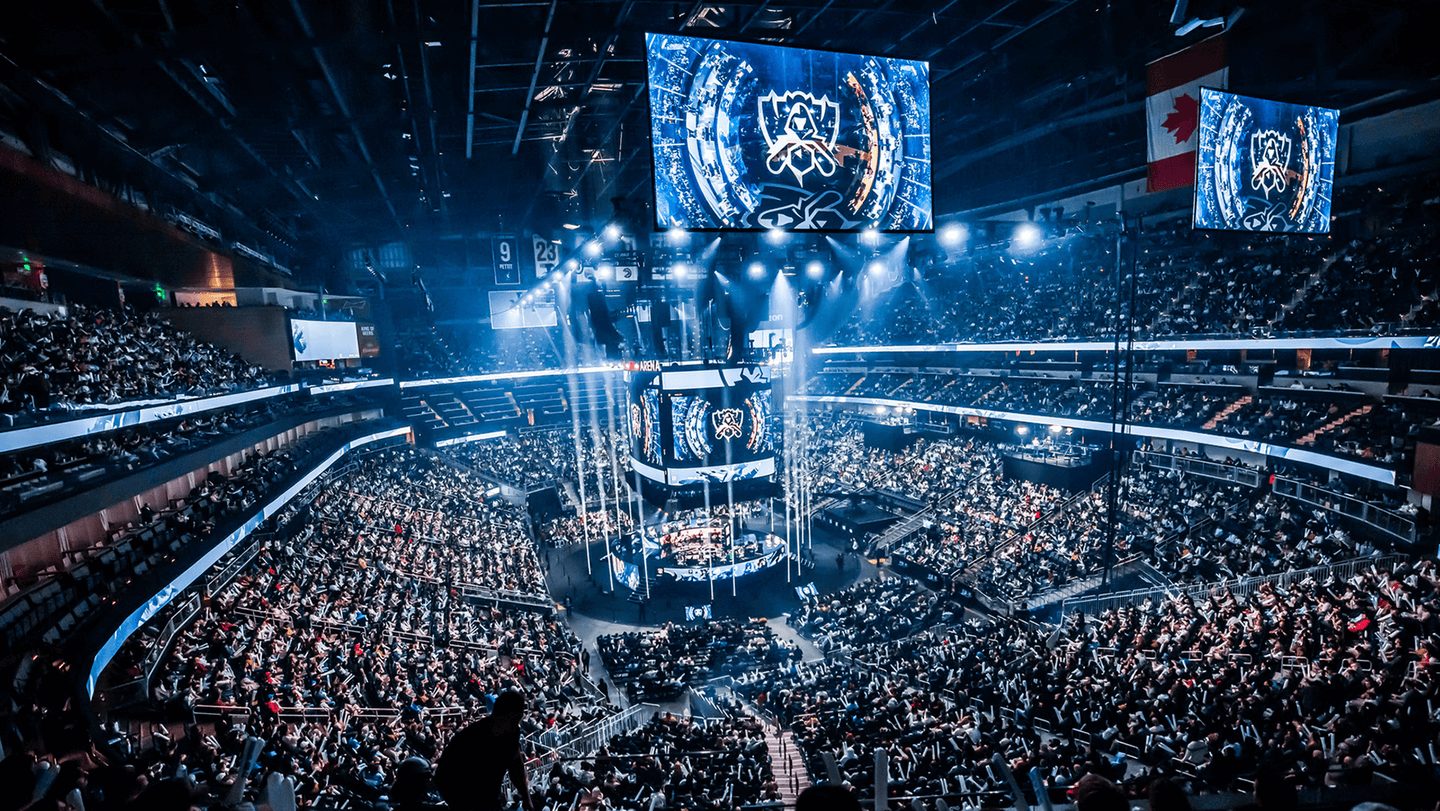
If you follow League even a little bit, you’ve probably heard names like T1, DRX, and Invictus Gaming thrown around whenever Worlds comes up. But if you actually want a clean, chronological overview of every champion from 2011 to today, the easiest way is to start with LoLNow’s dedicated overview of LoL Worlds winners.
That page doesn’t just dump a list of results; it walks through how the scene grew from small DreamHack stages to sold-out stadiums and record-breaking viewership. As the article puts it, we’ve watched “dynasties form, underdog runs rewrite expectations,” while individual players built careers that changed how the game is played at the highest level.
Why a LoL Worlds Winners List Still Matters
Worlds has been running since 2011, and the winners’ list is basically a backbone for League of Legends esports history. When you move down the LoLNow timeline, you can:
See when each region actually peaked.
Track how often the meta shifts between slow, scaling comps and hyper-aggressive skirmish styles.
Put iconic moments into context instead of remembering them as isolated highlights.
The article makes that purpose pretty clear: “You can follow each champion year by year, see how the meta shifted, and revisit the storylines that defined the biggest event League of Legends offers.”
So if you’ve ever thought “wait, which year did Samsung Galaxy sweep SKT?” or “when did the LPL finally break Korea’s dominance?”, that page gives you the full picture in one scroll.
From Fnatic’s First Trophy to Modern Super Teams
The LoL Worlds winners list starts all the way back at DreamHack in 2011, when Fnatic lifted the very first Summoner’s Cup in Jönköping. From there, the article walks through:
Early Europe and Taiwan: Fnatic (2011) and Taipei Assassins (2012) proving that international League was more than just Korea vs. everyone else.
SK Telecom T1’s rise: 2013, 2015, and 2016 turning SKT into the first real Worlds dynasty and cementing Faker as the face of the game.
Samsung’s upset: 2014 and then 2017, when Samsung White and later Samsung Galaxy took their own turns on top.
China’s breakthrough: Invictus Gaming in 2018 and FunPlus Phoenix in 2019 finally putting the LPL at the center of the conversation.
The COVID-era titles: DAMWON Gaming (2020) and EDward Gaming (2021), winning in mostly empty arenas but with huge global audiences watching from home.
The DRX miracle: A fourth seed clawing through Play-Ins to win it all in 2022.
T1’s second dynasty: Back-to-back-to-back titles in 2023, 2024, and 2025.
Each year in the LoLNow article includes the finals venue, winner, runner-up, score, and MVP, so you can quickly see not just who won, but how they did it and where it happened.
T1, Faker, and the Standard for LoL Worlds Winners
Any serious conversation about LoL Worlds winners ends up circling back to T1.
The FAQ on LoLNow’s page answers the obvious question directly: “T1 holds that spot with six championships.” From 2013 through 2025, they’re the team that keeps coming back, even when other regions have their moment.
The article also points out which player stands out the most among all those winners. Unsurprisingly, it’s Faker, who now sits alone with four Worlds titles and multiple Finals MVPs. The timeline doesn’t just list his wins; it highlights the emotional hits too – from his tears after the 2017 loss to finally lifting the Cup again in Seoul in 2023 and then adding even more titles on top.
If you follow the game via the official channels on LoL Esports and announcements from Riot Games, the LoLNow breakdown is a nice companion: it stitches all those separate broadcasts into one continuous story focused on the champions that actually finished the job.
The Greatest Underdog: DRX’s 2022 Run
When people argue about the “biggest miracle run” in Worlds history, the LoLNow list doesn’t dance around it. In the FAQ, it simply states: “DRX’s run in 2022 stays unmatched.”
That 2022 entry on the page explains how:
DRX barely squeezed into Worlds through Korea’s regional qualifier.
They started in Play-Ins instead of directly in the main event.
They reversed swept EDward Gaming, took down Gen.G, and then beat T1 3–2 in an insane final.
It’s the kind of route that looks scripted when you read it now, but all of it actually happened on stage – and you can still dig up every single VOD on LoL Esports if you want to re-watch it with hindsight.
When the LPL Finally Broke the Korean Wall
For years, the LCK was the region to beat. The LoL Worlds winners timeline shows exactly when that dominance cracked. The FAQ sums it up cleanly: “Invictus Gaming did it in 2018 with a clean 3-0 over Fnatic.”
That result didn’t just hand IG a trophy. It:
Ended a long stretch of Korean World Champions.
Announced that LPL teams weren’t just “dangerous” but fully capable of taking over the meta.
Set up a run where Chinese champions would stay at the top for multiple years.
If you’re browsing the official League of Legends site for patch notes or watching older Worlds music videos, reading the LoLNow recap alongside them makes it much easier to place those songs, skins, and opening ceremonies into the right year.
Viewership Records and Why Worlds Keeps Growing
The LoL Worlds winners page doesn’t just track who lifted the Cup. It also calls out how large the event has become over time. One stat from the FAQ is hard to ignore: “Worlds 2023 set the peak record at roughly 6.4 million concurrent viewers.”
That record happened during T1’s 3–0 win over Weibo Gaming, but it really reflects more than just one series:
A decade-plus of teams grinding through regional leagues like LCK, LPL, LEC, LCS, CBLOL and LCP.
Riot steadily improving production and formats, documented through years of updates on Riot Games.
LoL Esports evolving into a global broadcast product that you can follow almost year-round.
The LoLNow article uses those numbers to show how the level of play, production, and stakes have climbed together alongside the list of champions.
How To Use the LoL Worlds Winners Timeline as a Fan
The nice thing about LoLNow’s LoL Worlds winners page is that it works whether you’re a newer fan or someone who has watched since season two.
You can use it to:
Catch up fast: If you skipped a few years, it’s a quick way to see who dominated while you were gone.
Pick a region or team to follow: The list explains how different organizations rose and fell, so you can decide if you want to track Korea’s macro kings, China’s aggression, Europe’s creativity, or a specific underdog region.
Re-watch key series: Once you know the year and matchup, it’s easy to find the VODs on LoL Esports and watch them with an understanding of what was at stake.
Understand today’s narratives: References to “Samsung’s upset,” “DRX’s miracle run,” or “T1’s three-peat” make more sense when you’ve seen the whole winners timeline laid out.
It’s basically a history spine you can always come back to whenever a new Worlds headline pops up.
Where To Go Next
If you want the structured, year-by-year breakdown of every champion from 2011 to 2025 – including locations, scores, and MVPs – start with LoLNow’s own overview of LoL Worlds winners.
From there, you can:
Use LoL Esports to watch live games and VODs.
Check Riot Games for official announcements about formats, new events, and hosts.
Visit League of Legends for patch notes, champion updates, and in-client Worlds content.
Put together, those sources let you follow Worlds not just as a once-a-year show, but as a long-running story – one where every new champion added to the winners list changes the shape of League of Legends history just a little bit more.



How to Recover Lost Game Files from an External Drive on Mac

Mystery Anime You’ll Regret Starting at Midnight | Part 2

ARC Raiders Frozen Trail Guide: How to Board and Clear the Frigate

Rockstar Games Integrates Advanced Ray Tracing for GTA VI

How to Update Outdated Graphics Drivers for Better Gaming Performance and Higher FPS

The Most Popular Car Game Isn’t Where Players Stay Longest

Canada’s Gaming Audience Is Bigger Than the Old Stereotype

Mystery Anime You’ll Regret Starting at Midnight | Part 1

Anime You’ll Be Glad You Added to Your Fall Watchlist (Part 2) 🍂

WoW Forever Leveling: What Is New on the Road from 1 to 60

MM2 weapon rarity tiers explained for traders

Blox Fruits Physical vs Permanent Fruits: What’s the Difference?

What to Check Before Buying FC 27 Coins Online

Can You Stream Kick on Xbox: Complete Guide for Xbox Users

Pokémon Announces New Movie With a New Hero and Mimikyu

Double-Sentinel Defensive Holds Disrupt Fast Valorant Site Executes
-
 Anime3 weeks ago
Anime You’ll Be Glad You Added to Your Fall Watchlist (Part 2) 🍂
-
 Features2 weeks ago
WoW Forever Leveling: What Is New on the Road from 1 to 60
-
 Esports3 weeks ago
MM2 weapon rarity tiers explained for traders
-
 Features4 weeks ago
Blox Fruits Physical vs Permanent Fruits: What’s the Difference?
-
 Features4 weeks ago
What to Check Before Buying FC 27 Coins Online
-
 Social Media4 weeks ago
Can You Stream Kick on Xbox: Complete Guide for Xbox Users
-
 Anime4 weeks ago
Pokémon Announces New Movie With a New Hero and Mimikyu
-
 Esports4 weeks ago
Double-Sentinel Defensive Holds Disrupt Fast Valorant Site Executes
-
 Features2 weeks ago
Canada’s Gaming Audience Is Bigger Than the Old Stereotype
-
 Anime2 weeks ago
Mystery Anime You’ll Regret Starting at Midnight | Part 1
-
 Features1 week ago
The Most Popular Car Game Isn’t Where Players Stay Longest
-

 Features3 weeks ago
Why Sports Games Keep Getting Better at Simulating the Real Thing