
Features
From Loot Boxes to Live Experiences: How AI Is Blurring the Line Between Video Games and Interactive Entertainment

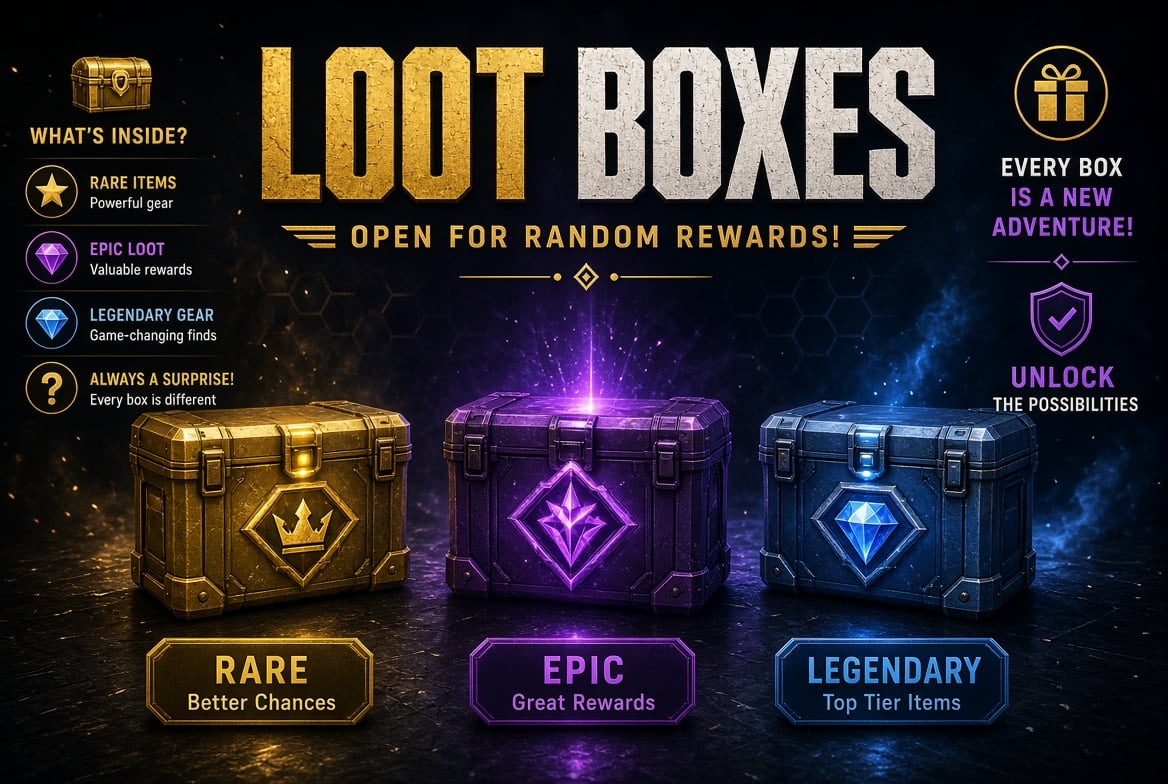
You know the feeling when a legendary drops in Diablo IV after three hours grinding the same dungeon? Or that half-second before a gacha pull resolves in Genshin Impact, when you already know the odds are terrible and your brain does not care? That rush is not unique to games. It is the same chemical hit that fires when a slot reel slows to a crawl with two matching symbols already locked in place.
The mechanics behind both have always been cousins. The technology building them, though, is converging fast. AI now sits at the centre of both video game design and online casino development, and nowhere is the overlap clearer than Ontario, where a regulated iGaming market has run since 2022. According to OntarioBets.com, leading experts on online casinos in Ontario, operators in the province are using the same AI tools game studios rely on, just aimed at a different screen.
Same Tools, Different Lobby
AI in video games is old news. Procedural generation has been building worlds since Rogue in 1980. Rubber-banding difficulty has quietly reshaped encounters in racing and action games for decades. What changed lately is scale. NPCs running on large language models can hold full conversations. Player-behaviour data feeds systems that reshape level design, storefront layouts and matchmaking in real time.
Online casinos picked up the playbook. Ontario’s market, regulated by the Alcohol and Gaming Commission of Ontario (AGCO), now runs more than 80 registered operators competing for players. When that many platforms fight over the same audience, the differentiator stops being game selection and becomes personalisation. Machine-learning models track which slot themes a player leans toward, what stakes they prefer, whether they spend longer at live dealer tables or solo spins. The platform then reshapes itself around those habits. Think of a Steam recommendation engine, except instead of suggesting a roguelike because you played Hades, it surfaces a high-volatility Egyptian slot because you burned through three of them last Tuesday.
The design language is bleeding across too. Modern casino lobbies borrow heavily from console UI. Progress bars. Achievement badges. Themed seasonal events with tiered unlock tracks. Strip the branding off some of these interfaces, show them to a gamer, and they would assume it was a battle pass.
The Part Where Casinos Actually Do It Better
This will sting anyone who sat through the loot-box debates of the late 2010s, but Ontario’s regulated casino market offers consumer protections most video game publishers still refuse to match. Every licensed operator must publish return-to-player percentages. Deposit limits and session time-outs are mandatory. Players can reach ConnexOntario’s confidential helpline straight from the platform. The AGCO publishes enforcement actions in public, and it is not shy about fines.
Now think about the last gacha game you played. Did it tell you the drop rate for the banner character? Maybe. Did it cap your spending? Almost certainly not. Did it flag your behaviour when you topped up for the fourth time in a week? No chance.
Belgium classified loot boxes as illegal gambling under its existing laws back in 2018, threatening publishers with fines up to 800,000 euros. The Netherlands fought FIFA Ultimate Team packs through the courts. North America has mostly shrugged. Ontario’s iGaming rules, in practice, already deliver what gaming advocacy groups have demanded from publishers for years: published odds, hard spending controls, third-party oversight. The irony is thick.
AI works the safety side too. Regulated platforms use behavioural analytics to spot patterns tied to problem gambling: chasing losses, rapidly climbing bet sizes, playing at three in the morning when you never have before. Some operators trigger automatic cooldown prompts or session reminders when the data looks off. It is a genuinely more responsible use of player data than what most free-to-play studios do with the same information.
Live Dealers, VR Tables and Where This Goes Next
The crossover that should interest gamers most right now is live dealer. Studios broadcast real-time table games from purpose-built sets with multiple camera angles, live chat and interactive overlays. Production quality has jumped sharply in the past two years. Some providers have launched game-show formats with physical wheels, augmented-reality layers and hosts reacting to chat in real time. It feels closer to watching a Twitch stream than sitting in a casino. Actually, it feels closer to playing one of those “FMV revival” games that keep popping up on Steam, except the outcomes carry real stakes.
Alberta opened its own regulated iGaming market in July 2026, copying Ontario’s model almost directly. That means more competition, more operator investment in AI-driven features, and more reason for platforms to borrow from game design. AI-generated dealers, VR casino floors and cross-platform progression systems that behave like a cloud save are all in active development. The line between loading up a game and logging into a casino platform is getting thinner by the quarter.
For anyone who grew up on the titles in lists like Goomba Stomp’s best PlayStation games of all time, none of this should feel foreign. Reward loops, variable-ratio reinforcement and carefully tuned feedback have shaped how we play since the PS1 era. Online casinos just run the same ideas through a different renderer. The difference is that Ontario’s market puts the rules on the table before you sit down: published odds, enforced spending controls, a regulator with real teeth. Most game storefronts still cannot say that. Whether that makes regulated casinos the more honest product or just the more tightly policed one probably depends on how many times you have been burned by a 0.6% drop rate.



How to Recover Lost Game Files from an External Drive on Mac

Mystery Anime You’ll Regret Starting at Midnight | Part 2

ARC Raiders Frozen Trail Guide: How to Board and Clear the Frigate

Rockstar Games Integrates Advanced Ray Tracing for GTA VI

How to Update Outdated Graphics Drivers for Better Gaming Performance and Higher FPS

The Most Popular Car Game Isn’t Where Players Stay Longest

Canada’s Gaming Audience Is Bigger Than the Old Stereotype

Mystery Anime You’ll Regret Starting at Midnight | Part 1

Anime You’ll Be Glad You Added to Your Fall Watchlist (Part 2) 🍂

WoW Forever Leveling: What Is New on the Road from 1 to 60

MM2 weapon rarity tiers explained for traders

Blox Fruits Physical vs Permanent Fruits: What’s the Difference?

What to Check Before Buying FC 27 Coins Online

Pokémon Announces New Movie With a New Hero and Mimikyu

Double-Sentinel Defensive Holds Disrupt Fast Valorant Site Executes
Canada’s Gaming Audience Is Bigger Than the Old Stereotype
-
 Anime3 weeks ago
Anime You’ll Be Glad You Added to Your Fall Watchlist (Part 2) 🍂
-
 Features2 weeks ago
WoW Forever Leveling: What Is New on the Road from 1 to 60
-
 Esports3 weeks ago
MM2 weapon rarity tiers explained for traders
-
 Features4 weeks ago
Blox Fruits Physical vs Permanent Fruits: What’s the Difference?
-
 Features4 weeks ago
What to Check Before Buying FC 27 Coins Online
-
 Anime4 weeks ago
Pokémon Announces New Movie With a New Hero and Mimikyu
-
 Esports4 weeks ago
Double-Sentinel Defensive Holds Disrupt Fast Valorant Site Executes
-
 Features2 weeks ago
Canada’s Gaming Audience Is Bigger Than the Old Stereotype
-
 Anime2 weeks ago
Mystery Anime You’ll Regret Starting at Midnight | Part 1
-
 Features3 weeks ago
Why Sports Games Keep Getting Better at Simulating the Real Thing
-

 Features2 weeks ago
8 Underrated PC Games Worth Playing in 2026 (That Aren’t Getting the Attention They Deserve)
-
 Features1 week ago
The Most Popular Car Game Isn’t Where Players Stay Longest