
Columns
Are High-End Gaming PCs Becoming Pointless in the Age of Cloud Gaming?

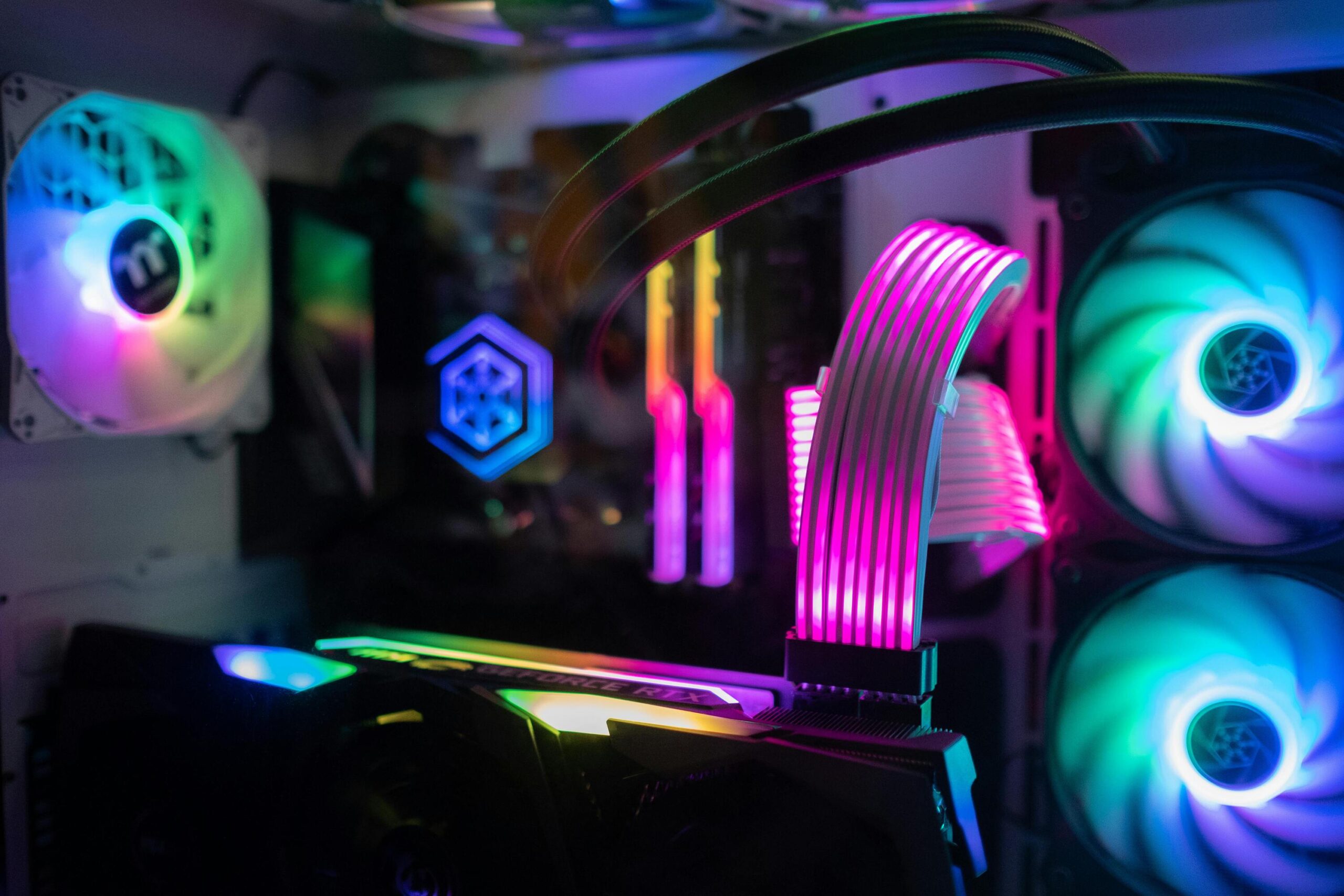
Gaming once meant investing thousands into powerful hardware. For years, high-end PCs dominated the scene: custom rigs equipped with top GPUs, lightning-fast processors, and the cooling systems necessary to keep everything running smoothly. These setups defined what serious gaming resembled.
Yet today, another approach is reshaping that standard; cloud gaming enables people to run visually demanding titles on modest devices, ranging from tablets to budget laptops. Servers handle the heavy lifting, while games stream directly to screens through the internet. As streaming quality improves and latency drops, the question emerges: do expensive gaming PCs still have a purpose?
The Growing Power of the Cloud
Cloud gaming began as a small experiment but has grown into a substantial part of the market. Services like Xbox Cloud Gaming, NVIDIA GeForce Now, and Amazon Luna allow subscribers to stream premium titles instantly. Players can launch games such as Cyberpunk 2077 or Starfield without installing them locally or upgrading hardware. The main requirement is a reliable internet connection.
Industry forecasts project the global cloud gaming market could reach between $15 and $20 billion USD by 2027, with North America leading thanks to widespread high-speed broadband. Data centres, often equipped with NVIDIA and AMD GPUs, render gameplay remotely and stream high-quality visuals back to users in milliseconds. For Canadian players, fibre connections and expanding 5G networks mean latency can now reach levels once thought impossible, sometimes as low as 20–40 milliseconds in ideal conditions.
Cross-platform support has added to the appeal; players can start on a phone and continue on a desktop without losing progress. Storage space and patch updates, previously common headaches, are now minor concerns. Streaming platforms also experiment with interactive experiences. Meanwhile, iGaming enthusiasts can now play live dealer games or try exclusive online slots directly from their browsers without installation or downloads. There are also free versions that let players explore mechanics without financial risk. Testing RTP and volatility to gauge hit frequency and bonus triggers. Most games can also be played instantly through demo game availability with no registration required.
Gaming platforms and services like these offer a glimpse into how quickly cloud-based access can deliver full experiences. Something traditional hardware can’t always match.
Why Gamers Are Making the Switch
The cost of maintaining a high-end PC remains a significant barrier; graphics cards like NVIDIA’s RTX 4090 currently sell between $1,800 and $2,200 CAD, depending on supply. By comparison, PlayStation and Xbox consoles cost a fraction of that, and cloud services remove nearly all upfront hardware investment. Monthly subscriptions, often around $20, provide access to hundreds of titles, many playable in 4K with ray tracing depending on the service.
Internet quality plays a pivotal role; streaming at 1080p usually requires around 25 Mbps, while many Canadian cities offer fibre plans exceeding 500 Mbps. Mobile networks are catching up as well; Ericsson reports 5G coverage reaches approximately 75% of Canadians. Cloud gaming is no longer confined to home Wi-Fi, extending access to commuters and remote workspaces.
Subscriptions allow players to explore new genres and titles without storage concerns. Switching games becomes seamless. Encouraging experimentation and increasing exposure to content that might otherwise go unnoticed. Developers benefit as well, reaching users who may never have purchased a standalone PC game.
The PC’s Last Stronghold
High-end PCs remain integral to the gaming experience, despite the growth of cloud gaming. Analysts estimate that the Canadian gaming PC market generated USD 943.5 million in 2023 and is projected to reach USD 2.44 billion by 2030, growing at a CAGR of 14.5% from 2024 to 2030. Enthusiasts continue to value complete control over their systems, the ability to upgrade and personalize every component, and the immersive experience offered by mechanical keyboards, ultrawide monitors, and custom cooling solutions. Elements that cloud platforms cannot fully replicate.
Performance is another consideration. While cloud streaming has advanced, latency-sensitive genres still favour local setups. Competitive titles such as Counter-Strike 2 or Valorant require near-instant input response, achieved more reliably on dedicated hardware. High-refresh-rate monitors and wired peripherals, often exceeding 240Hz, remain largely unattainable in cloud environments.
PCs also offer unmatched freedom for creative players. Modding communities on platforms like Nexus Mods allow users to redesign graphics, create new storylines, or overhaul gameplay entirely, extending a game’s life well beyond subscription libraries. Offline accessibility is equally important. Power outages, server issues, or trips without reliable connections can interrupt cloud sessions instantly, while local machines remain fully operational.
Challenges Cloud Gaming Still Faces
Streaming convenience comes with trade-offs. Latency remains an issue. Particularly for users far from data centres. According to a recent report, Canadian gamers increasingly rely on mobile and flexible networks, highlighting challenges like input delays and bandwidth usage that can affect streaming performance. Input delays above 50 milliseconds can affect action-heavy experiences. Bandwidth usage is significant: streaming 4K content may consume over 20 GB per hour, potentially reaching data caps and triggering throttled speeds.
Ownership is another concern. Games purchased on traditional PCs remain permanently available, whereas cloud licenses can expire or disappear if agreements between publishers and platforms change. Privacy also matters as cloud services gather substantial user data to optimize performance and marketing.
Environmental claims for cloud computing are being reevaluated. Data centres require enormous energy for cooling and uptime. Although some Canadian operations use hydroelectric power to reduce emissions. Even with these efficiencies, streaming carries a large digital footprint that cannot be ignored.
The Canadian Viewpoint
Canada provides a unique perspective; the country has a highly connected gaming population. Major cities like Montreal, Vancouver, and Toronto are hubs for development. Contributing billions to the national economy and employing thousands in tech and media.
Urban players enjoy the benefits of fast fibre connections, yet rural areas lag. Federal initiatives, such as the Universal Broadband Fund, aim to provide 98% of households with high-speed internet by 2026. For those still in remote regions, cloud gaming remains an occasional option rather than a reliable alternative.
This connectivity gap keeps traditional PCs relevant across Canada. Enthusiasts build systems for work and recreation. Blending creative tasks with performance demands. Hardware innovations continue to spark discussion within communities. Pushing visual performance forward. Even as workloads increasingly move online, the bond between a user and their personal machine remains meaningful.
The Balance Between Power and Accessibility
Cloud gaming and high-end PCs now coexist rather than compete. Cloud platforms lower technical and financial barriers. Allowing casual players to experience premium content without investing heavily. Meanwhile, dedicated rigs remain essential for professionals, streamers, and anyone who demands precision, customization, and long-term ownership.
Developers are exploring hybrid solutions, where laptops and consoles handle part of the processing locally while the cloud manages the rest. This approach can reduce latency, sharpen visuals, and conserve bandwidth. As infrastructure improves and early 6G research progresses, the distinction between cloud and local gaming may blur even further.
Conclusion
High-end gaming PCs are not obsolete; they now share the stage with cloud services. Streaming offers flexible, accessible experiences that welcome more players than ever. While personal rigs define the limits of performance and control. Both approaches contribute to gaming’s growth and diversity. The best setup is no longer dictated by cost or specifications but by how each individual prefers to play.
Image credit: Illuminated interior of pc tower



A Must watch Wholesome Anime That Feels Surprisingly Relatable!

Steal a Brainrot Items Guide: How to Get Rare Brainrots and Build a Stronger Base

Best MM2 Weapons to Collect: Knives, Guns and Godlys Explained

Table and Mini Games In Grand Theft Auto 6 – What Can We Expect?

How to Recover Lost Game Files from an External Drive on Mac

Mystery Anime You’ll Regret Starting at Midnight | Part 2

ARC Raiders Frozen Trail Guide: How to Board and Clear the Frigate

Rockstar Games Integrates Advanced Ray Tracing for GTA VI

Anime You’ll Be Glad You Added to Your Fall Watchlist (Part 2) 🍂

WoW Forever Leveling: What Is New on the Road from 1 to 60

MM2 weapon rarity tiers explained for traders

Canada’s Gaming Audience Is Bigger Than the Old Stereotype

8 Underrated PC Games Worth Playing in 2026 (That Aren’t Getting the Attention They Deserve)
ARC Raiders Frozen Trail Guide: How to Board and Clear the Frigate

The Most Popular Car Game Isn’t Where Players Stay Longest

Mystery Anime You’ll Regret Starting at Midnight | Part 1
-
 Anime4 weeks ago
Anime You’ll Be Glad You Added to Your Fall Watchlist (Part 2) 🍂
-
 Features4 weeks ago
WoW Forever Leveling: What Is New on the Road from 1 to 60
-
 Esports4 weeks ago
MM2 weapon rarity tiers explained for traders
-
 Features3 weeks ago
Canada’s Gaming Audience Is Bigger Than the Old Stereotype
-
 Features4 weeks ago
8 Underrated PC Games Worth Playing in 2026 (That Aren’t Getting the Attention They Deserve)
-
 Features2 weeks ago
ARC Raiders Frozen Trail Guide: How to Board and Clear the Frigate
-
 Features2 weeks ago
The Most Popular Car Game Isn’t Where Players Stay Longest
-
 Anime3 weeks ago
Mystery Anime You’ll Regret Starting at Midnight | Part 1
-
 Gaming News2 weeks ago
Rockstar Games Integrates Advanced Ray Tracing for GTA VI
-
 Features4 weeks ago
Why Sports Games Keep Getting Better at Simulating the Real Thing
-

 Features4 weeks ago
From Consoles to Phones: How Canadian Gaming Became an Anytime Experience
-
 Anime2 weeks ago
Mystery Anime You’ll Regret Starting at Midnight | Part 2